6 Simple Ways to Add More Protein in Your Daily Diet
5 min read
971 words
Protein. Chronically under-consumed, consistently underestimated. Building muscle, managing weight, staying full past 10am, it handles all of that. Yet most people blow right past the easiest opportunities without a second thought. These six approaches slot into whatever you’re already eating. No overhaul. No drama.
Start the Morning With Something Heavy on Protein

That first meal shapes everything after it. Hit solid protein early and blood sugar stays steadier, with fewer desperate mid-morning raids on the office snack drawer. Eggs are the obvious anchor. About six grams each, cheap, absurdly flexible. Boil a dozen on Sunday and they’ll sit in the fridge all week. Toss one into oatmeal. Stack two into a sandwich. Done.
Greek yogurt has roughly double the protein of regular yogurt, and it holds its structure under granola or berries rather than going soupy. Cottage cheese, a surprisingly overlooked breakfast option, packs serious protein into a small serving. Blend it into a smoothie bowl if the texture bothers you. You won’t detect it at all.
Build Lunch and Dinner Around a Lean Protein Anchor
Main meals are where real volume accumulates. Chicken breast is the obvious workhorse, with around 31 grams per cooked breast. It is affordable and easy to prepare in batches. Fish is worth its place too. Salmon and tilapia both deliver protein and omega-3s in the same bite. Two benefits from one meal.
Ground turkey slides straight into tacos, pasta sauces, and burgers, wherever ground beef used to go. It runs leaner, and once the seasoning hits, the difference basically disappears. Beef, pork, and lamb still earn their place at the table, especially when portions stay sensible.
The practical trick is simple: build the plate around the protein first. Add vegetables next. Grains come last. That sequence almost automatically produces something balanced without overthinking it.
Snack Smarter, Not Less

Snacking gets a worse reputation than it deserves. The issue isn’t snacking. It is snacking on autopilot. Almonds deliver around six grams per ounce alongside fats that genuinely sustain fullness. String cheese requires zero prep and travels anywhere.
Hummus with vegetables or whole grain crackers pairs protein with fiber, creating real, sustained energy instead of a sugar spike that collapses an hour later. Hard-boiled eggs are just as useful at 3pm as they are at 7am. Roasted chickpeas and edamame round out the plant-based side. Neither one tastes like a punishment.
Give Plant-Based Proteins a Real Shot

You don’t have to be vegetarian to make these work. Beans and lentils are nutritional workhorses. One cup of cooked lentils carries roughly 18 grams of protein alongside nearly 16 grams of fiber. That is remarkable output for something that costs almost nothing.
Tofu and tempeh, both soy-derived foods, supply all nine essential amino acids and absorb whatever flavors you throw at them. Quinoa stands apart from other grains because it functions as a complete protein on its own. Nuts, seeds, and nut butters fill in the rest.
Meeting protein targets without meat or fish is entirely feasible and not particularly hard once you know where to look.
Lean on Protein Powder When Life Gets Busy
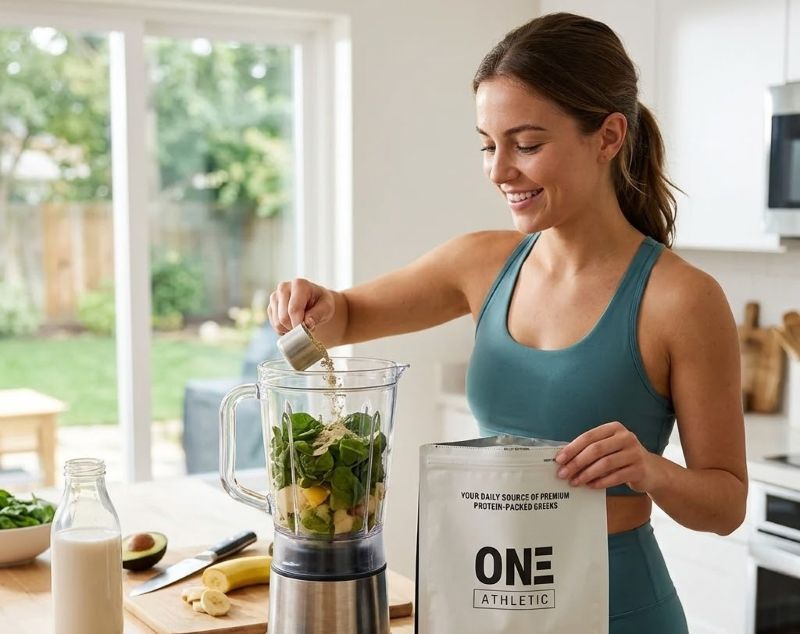
Busy schedules don’t always leave room for whole-food protein at every meal. That’s where powder earns its place. Whey blends cleanly into smoothies with fruit, yogurt, and milk, creating a meal or snack in under two minutes.
Plant-based versions made from pea, hemp, or rice work just as well for anyone avoiding dairy. People juggling multiple nutritional targets often reach for a high-quality all-in-one protein powder that combines essential nutrients into a single scoop rather than requiring a shelf crowded with separate supplements.
Beyond smoothies, powder folds into pancakes, muffins, and brownies without noticeably changing the texture. One scoop typically delivers 20 to 25 grams, making it easy to track and plan around.
Whole foods should anchor the diet, but powder fills the gaps on days when cooking simply isn’t happening.
Swap Smarter Within What You Already Eat
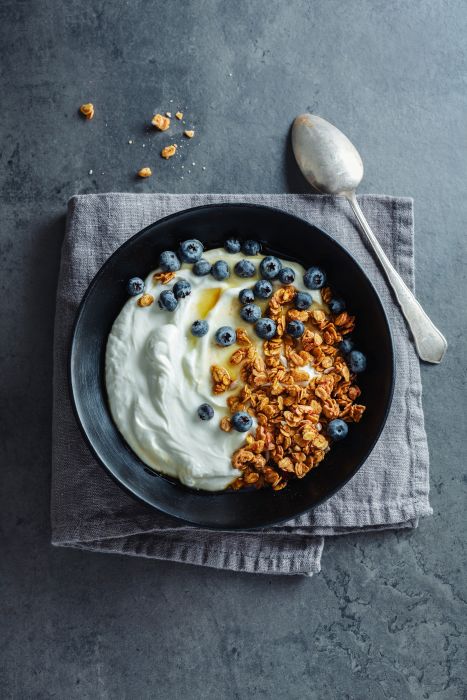
Sometimes the fastest route is simply trading out what is already there. Regular yogurt becomes Greek yogurt. Conventional pasta becomes lentil or chickpea pasta. White bread becomes a protein-fortified loaf.
The meal looks identical on the plate, but the protein count changes. Choosing a leaner fat ratio in ground meat shifts the macros without touching the recipe. Tossing beans into salads, soups, or casseroles quietly raises the protein density of dishes that were never designed with that goal in mind.
Small moves add up. Across weeks, the cumulative difference in daily intake becomes genuinely significant.
Conclusion
Protein works best when combined with regular movement and resistance training. If you are looking to build strength, maintain muscle, and support healthy aging, read our guide on Strength Training After 50: Build Muscle & Strength.
Increasing your protein intake does not require a complicated plan or restrictive eating. Even adding two or three of these strategies to your routine can make a difference by supporting energy levels, reducing hunger between meals, and helping maintain a healthier body composition over time.
Start where it feels manageable. That might mean adding more protein to breakfast, choosing a higher-protein snack, or making a simple swap at dinner. The goal is to create habits that fit your real life, not follow an unrealistic version of perfection.
Consistency matters more than getting everything right. Small adjustments made over weeks and months can lead to meaningful results. With these six approaches, getting enough protein becomes less of a challenge and more of a natural part of the way you eat.
Disclaimer: This article is for informational purposes only and is not intended to replace professional medical advice, diagnosis, or treatment. Nutritional needs vary from person to person, especially for individuals with medical conditions, dietary restrictions, or specific health goals. Always consult your healthcare provider or a qualified nutrition professional before making significant changes to your diet or exercise routine.