Helping a Child Cope With the Loss of a Pet
11 min read
2087 words
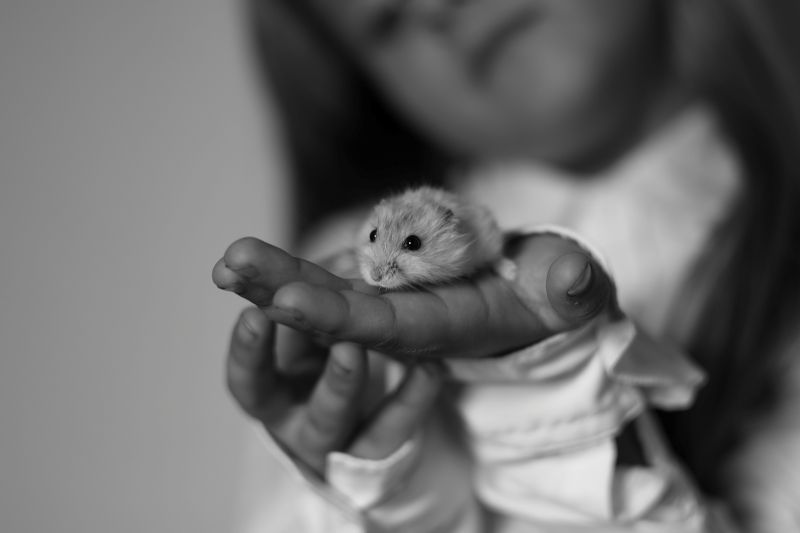
Helping a child cope with the loss of a pet can be difficult, especially when that pet has been an important part of their everyday life. A dog may be the one waiting at the door after school. A cat may curl up beside them while they read. A hamster may become part of their bedtime routine as they quietly check the cage before turning out the light. I was reminded of just how deep that bond can be yesterday when my teenage daughter lost her beloved hamster. Even though a hamster is a small animal, the space it leaves behind can feel surprisingly large. The cage is still there, but its little occupant is gone. The familiar sounds and routines suddenly stop.
As a parent, I know how easy it can be to underestimate the attachment a child or teenager develops with a pet. We may understand that some animals have much shorter lives than we do, but that doesn’t make the relationship less meaningful. To a child, a hamster, dog, cat or other pet can be a companion, source of comfort and cherished member of the family.
That personal experience prompted me to look more closely at how parents can support children through pet loss. Whether your family has lost a dog, cat, hamster, rabbit, bird or another beloved animal, children need space to understand what has happened and express what they are feeling.
There is no single right way to grieve, and there is no timetable for missing a beloved pet.
Why Losing a Pet Can Be So Difficult for Children
Pets become woven into the ordinary routines of family life. A child may feed the dog before school, fill the hamster’s food dish, brush the cat, play in the backyard or curl up beside their pet while watching television.
These may seem like small things, but those routines create a sense of security and familiarity. When the pet dies, the child isn’t only missing the animal. They are also experiencing the absence of those everyday moments.
The empty food bowl can be upsetting. The unused leash can bring tears. The quiet corner where the hamster’s cage once stood can suddenly feel strange.
For some children, the loss may be particularly difficult because the pet was there during times when they felt lonely, worried or upset. They may have talked to their animal when they didn’t feel like talking to an adult.
That relationship was real to them.
How to Explain Pet Death to a Child

One of the most difficult conversations parents face is explaining that a beloved pet has died. It is understandable to want to soften the news, especially with a young child. However, using phrases such as “went to sleep” or “went away” can sometimes be confusing.
Clear, simple and age-appropriate language is generally easier for children to understand.
You might say: “Buddy died because his body became very sick and the veterinarian couldn’t make him better.”
If the pet died because of old age, you might explain: “Lilly’s body had become very old and it stopped working. She died peacefully.”
You do not need to provide every detail.
Answer the questions your child asks and keep your explanations appropriate for their age and understanding.
And don’t be surprised if the questions keep coming.
A child may ask: “Is he coming home?” “Where is she now?” “Did I do something wrong?” “Will our other dog die?” “Will I die too?”
Children sometimes need to ask the same question more than once before they can fully process the answer.
Teenagers may understand death very differently from younger children, but that doesn’t mean they will necessarily find pet loss easier. A teenager may understand exactly what has happened while still experiencing intense sadness, anger or loneliness.
Sometimes they may not want to talk about it at all. Respecting that space while remaining available can be important.
Reassure Children That They Didn’t Cause the Pet’s Death
Children can sometimes blame themselves for things they had nothing to do with.
A child might remember yelling at the dog, forgetting to refill the water bowl one day, or becoming frustrated with the cat and wonder whether their actions somehow caused the death.
If this happens, reassure them clearly.
“You didn’t cause this to happen.”
If the animal died from an illness, explain that the illness caused the death.
If the pet was euthanized, children may need a simple explanation about why the veterinarian helped the animal die peacefully.
You might say: “Buddy was very sick and was hurting. The veterinarian gave him medicine so he would not have to keep suffering.”
Use language that is truthful without overwhelming the child with unnecessary details.
Let Children Grieve in Their Own Way
There is no universal way for children to grieve. One child may cry for days. Another may become quiet. Another may want to talk about the pet constantly. And another may return to playing almost immediately.
A teenager may want to be alone in their room, listen to music, look through photographs or simply spend some quiet time with the memories of their pet.
A child who is laughing with friends one afternoon can still be grieving deeply. Children and teenagers often move in and out of sadness. They may cry one minute and ask what is for dinner the next. Try not to interpret normal play, laughter or ordinary activities as a sign that they didn’t care about their pet.
Likewise, don’t pressure a child to talk if they aren’t ready. Let them know you are available. “You can talk to me about Daisy whenever you want. I miss her too.” That invitation may mean more than repeatedly asking, “Are you okay?”
Help Your Child Say Goodbye
A goodbye ritual can help children acknowledge the loss and celebrate the life of their pet. It doesn’t have to be elaborate or expensive.
Depending on the child’s age and your family’s circumstances, you could:
- Make a memory box
- Write a letter to the pet
- Draw a picture
- Create a scrapbook
- Print favourite photographs
- Save a collar or favourite toy
- Make a paw-print keepsake
- Plant a flower
- Create a small memorial
- Share favourite stories about the pet
- Have each family member say something they loved about the animal
For a hamster, the memories may be very different from those surrounding a dog or cat. A child may remember the sound of the wheel at night, the way the hamster gathered food, a favourite treat, or the little personality quirks that made that particular animal special. Those details matter. You don’t need to have a large animal to have a large relationship.
Remember the Pet Together
Adults sometimes worry that talking about a deceased pet will make children more upset. Remembering may certainly bring tears, but it can also bring laughter.
Talk about the funny things the pet did. “Remember when Max stole the whole sandwich?” “Do you remember how Daisy used to bark whenever the doorbell rang?” “Remember when the hamster escaped and we had to search the whole room?” These memories remind children that their pet’s life was about more than its final days.
It was about all the ordinary moments that made the animal part of the family. In our own family, the loss of a hamster has made those little memories especially meaningful. The things that might have seemed like ordinary parts of having a pet suddenly become the things we remember most.
Don’t Be Afraid to Say “I Miss Them Too”
Children often look to adults for clues about how they are supposed to respond. If you are grieving too, it is okay for your child to see that. You don’t need to hide every tear. Saying, “I miss her too,” can reassure a child that their sadness is understandable. At the same time, try to avoid making your child responsible for comforting you. They need to know that adults can experience sadness while continuing to handle everyday responsibilities. Grief doesn’t have to be hidden from children. It can be something families move through together.
What If Your Child Wants Another Pet?
It isn’t unusual for a child to ask for another dog, cat, hamster or other animal shortly after a pet dies. Some children want a new companion immediately. Others may not want another animal for a very long time. Neither response is wrong. A new pet also shouldn’t be presented as a replacement. You can explain: “We can love another pet someday, but no animal can replace Max. A new pet would be another animal for us to love.” Give your family time to decide whether and when another pet is right for you.
Grief Can Come Back Later
Children may appear to be doing well and then become upset weeks or months later. A birthday can trigger memories. So can Christmas, a family photograph, a favourite toy or walking past the place where you used to take the dog. A child might suddenly say, “I really miss my cat.” That doesn’t necessarily mean something is wrong. Grief isn’t always a straight line. Instead of telling the child that they should be “over it,” acknowledge the feeling. “I miss her too. She was a very special part of our family.” Sometimes a few simple words are enough.
Don’t Minimize the Loss
Adults may sometimes think a child should not be as upset about an animal as they would be about a person. For a child, that distinction may not exist. Their pet was a living being they loved. The fact that the pet had four legs, fur, feathers or lived in a small cage doesn’t make the relationship less meaningful.
Avoid comments such as:
- “He was old anyway.”
- “You can get another hamster”
These statements may be intended to comfort a child, but they can make them feel that their sadness isn’t important. Instead, acknowledge the relationship. “You loved him very much.” “She was a big part of your life.” “It is okay to miss your pet.”
When a Child May Need Additional Support
Most children gradually adjust to the loss of a pet with understanding and support from the people around them. However, parents should pay attention when a child’s distress is severe, persistent or significantly interferes with everyday life. For example, if a child remains extremely distressed, withdraws from normal activities, has substantial changes in sleep or eating, or is struggling to function at home or school, it may be appropriate to seek additional support.
A family doctor, school support professional or qualified mental health professional can help determine whether further support would be useful. As with any significant loss, there is no shame in asking for help.
The Memories Remain
Eventually, the painful memories surrounding a pet’s death may become less prominent, while the memories of the animal’s life become easier to revisit. The child may remember the dog who always waited by the window. The cat who slept at the foot of the bed. The hamster who stuffed its cheeks with food. The rabbit who loved being gently brushed. Those memories become part of the child’s story.
For my daughter, her hamster will always be more than the little animal who lived in a cage. It was part of her daily life, her routines and her memories. Losing that little companion hurts, and yesterday’s loss is still very fresh. Maybe that is one of the most important things we can remember when helping a child through pet loss: we don’t have to make their grief disappear. We can simply be there. We can listen. We can remember. And we can give them permission to miss an animal they loved.
Saying goodbye to a beloved pet is difficult, but it can also teach children something important about love, attachment, loss and remembrance. We cannot keep our pets with us forever. But we can help children understand that losing someone does not erase the love they gave us. Sometimes the best way to say goodbye is simply to remember how lucky we were to have them.
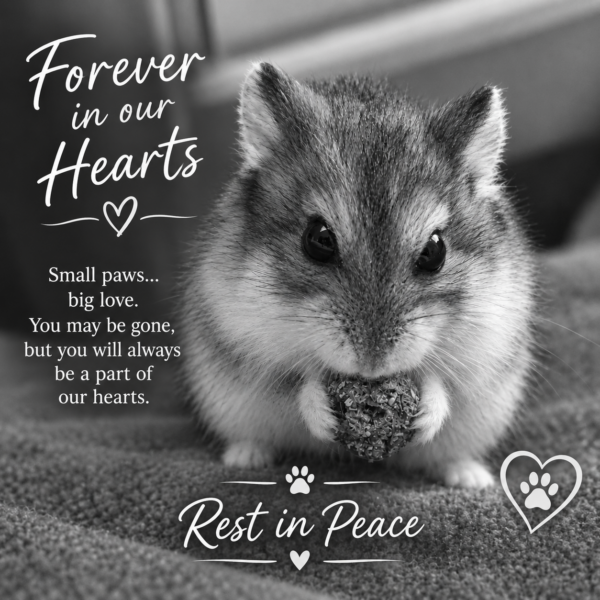
Gone from our sight, but never from our hearts.
Editor’s Note: Every child responds to pet loss differently. This article offers general parenting and grief-support information and is not a substitute for professional mental health advice. If you are concerned about how a child is coping with the death of a pet, speak with a qualified health or mental health professional.