

Adult Child Estrangement and the Grief Parents Carry
11 min read
2131 words
Adult child estrangement can be one of the most painful experiences a parent faces. The bond between a parent and child is often imagined as a lifelong connection, filled with birthdays, family dinners, holidays, grandchildren and everyday conversations that continue long after children become adults.
But not every parent-child relationship follows the path parents imagined. Sometimes, as children grow older, communication becomes strained. Disagreements deepen, contact becomes less frequent, and eventually an adult son or daughter may decide to step away from the relationship altogether.
Family estrangement is a subject more people are beginning to speak openly about. Parents, adult children and grandparents are navigating painful family separations, often while trying to understand what went wrong and how to move forward. For parents who find themselves separated from an adult child, the emotional impact can be difficult to put into words.
Their child is still alive, but the relationship they once knew may no longer exist. They may no longer share phone calls, family celebrations or the simple moments that once connected them. There may be no final conversation, no opportunity to say goodbye and no clear understanding of whether they will ever reconnect.
For parents experiencing adult child estrangement, the grief can be very real, even when others struggle to understand it.
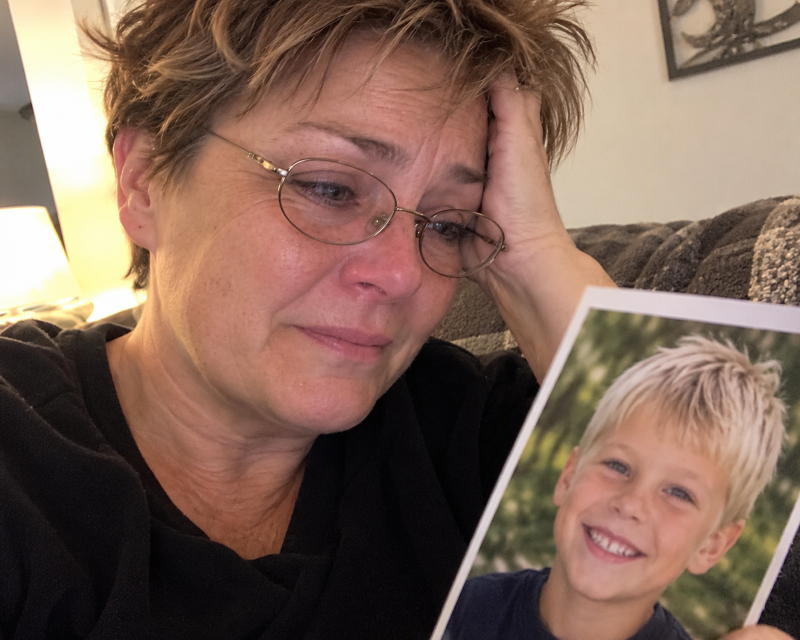
When an Adult Child Becomes Estranged
Estrangement between parents and adult children can happen for many reasons. Sometimes it follows years of unresolved disagreements, family conflict or hurt feelings. Other times, a particular event or change in circumstances leads to a breakdown in communication.
Adult children may distance themselves because they feel unheard, unsupported or hurt by experiences within the family. They may believe that creating distance is necessary for their emotional well-being. Parents, meanwhile, may feel confused, rejected or uncertain about what led to the separation.
In some families, both sides have very different understandings of what happened. A parent may remember providing love and support, while an adult child remembers feeling misunderstood or experiencing repeated hurt. Neither person’s experience should automatically be dismissed.
There is no single explanation for family estrangement, and it is rarely helpful to assume that every situation is the same. Understanding that relationships can be complicated is an important first step in discussing this difficult subject.
The Grief of Losing a Child Who Is Still Alive
One of the hardest aspects of adult child estrangement is that the loss can be difficult for others to understand. When someone loses a loved one through death, people generally recognize that they are grieving. They offer condolences, check in and understand why certain occasions may be painful.
Estrangement is different. The child is still alive, but the relationship may be absent. Parents may know that their son or daughter is going about their daily life, celebrating birthdays, making plans and spending time with others, yet they are no longer included.
This experience is sometimes described as ambiguous loss. It refers to a loss without the usual clarity or closure. The person is physically present in the world, but emotionally or relationally unavailable. The uncertainty can make it difficult to understand or process the loss.
For an estranged parent, grief may surface in unexpected ways. A birthday can bring back memories of childhood celebrations. Christmas may feel especially difficult when family traditions once included everyone gathering around the table. Seeing other families together can be a reminder of what is missing.
There may also be grief for the future the parent imagined. They may have pictured watching their child reach milestones, welcoming a son-in-law or daughter-in-law into the family, becoming a grandparent or simply growing older with their adult children still part of their lives.
For some parents, the grief extends beyond the loss of their relationship with an adult child. They may also be separated from grandchildren they love or have hoped to know. Some grandparents have never had the opportunity to meet their grandchildren, while others may have held them as babies but have not seen them in years.
They miss birthdays, first days of school, family celebrations and all the little milestones that grandparents often look forward to sharing. They may see photographs of grandchildren they barely know or hear about milestones through other family members. They may wonder what the children are like, what interests they have developed and whether they know anything about the grandparent who is no longer part of their lives.
This can create another layer of grief. Parents may feel they are losing not only the relationship with their adult child but also the opportunity to build meaningful relationships with their grandchildren. Time continues to pass, and those missed years cannot be recovered.
These losses can be deeply painful, even when the reasons for the estrangement are complicated.
The Loneliness and Silence Surrounding Estrangement
Parents experiencing estrangement may find it difficult to talk openly about what is happening. They may worry that friends or relatives will judge them, ask uncomfortable questions or assume they must have done something wrong.
Family gatherings can become particularly challenging. Someone may ask whether their child is coming for Christmas or how their son or daughter is doing. A simple question can bring up feelings that the parent has been trying to manage privately.
Some parents may also feel embarrassed or ashamed. They might avoid discussing the situation altogether because they do not know how to explain it. Others may feel isolated when family members take sides or when communication with grandchildren becomes limited or stops.
The absence of grandchildren can make family occasions especially painful. Mother’s Day, Father’s Day, Christmas and birthdays may bring reminders of the family relationships that are missing. Parents may find themselves grieving several relationships at once, including the opportunity to be part of their grandchildren’s lives.
Estrangement can affect more than the parent and adult child. It may change relationships between siblings, grandparents, grandchildren and extended family members. The effects can reach into everyday family life in ways that are difficult to anticipate.
It is important to remember that parents experiencing this kind of grief deserve compassion and support. They do not have to pretend that the situation does not hurt.
When You Don’t Understand Why Your Child Has Walked Away
Not knowing why a relationship has broken down can make the experience even harder. Some parents say they have been given an explanation but struggle to understand it. Others feel that contact simply stopped, leaving them with unanswered questions.
It can be tempting to replay old conversations, search through memories and wonder what could have been done differently. Parents may ask themselves whether they missed warning signs, whether a disagreement could have been handled another way or whether there is something they could say that would make things better.
Reflection can be useful, particularly when there may be hurt that needs to be acknowledged. If an adult child has shared specific concerns, listening without immediately becoming defensive can sometimes help parents better understand their perspective.
At the same time, parents cannot control another adult’s decisions. They may not receive the explanation they hope for, and they cannot force someone to resume contact.
If there is an opportunity for communication, a sincere willingness to listen and take responsibility where appropriate may be more helpful than arguing over whose version of events is correct. Reconciliation, however, requires willingness from both people. It cannot be achieved by one person alone.
Learning to Live With the Grief
There is no simple way to stop missing an estranged child. Parents may experience sadness, anger, confusion, guilt and even moments of hope. These feelings can come and go, sometimes changing from one day to the next.
Allowing yourself to grieve is important. You do not have to minimize the loss because your child is still alive or because other people may not understand what you are going through.
Talking with someone you trust can help. Maintain friendships, make time for activities you enjoy and allow yourself to participate in family celebrations when you feel ready. You can miss your child and still find moments of happiness in your life.
It is also important to recognize that healing does not mean forgetting your child or giving up hope. It means finding ways to care for yourself while living with a situation you may not be able to change.
Grief Support Services and Counselling Can Help
Parents dealing with adult child estrangement do not have to navigate the emotional impact alone. Professional counselling can provide a safe, confidential place to talk about the sadness, anger, guilt, uncertainty and loneliness that may accompany family estrangement.
A counsellor or therapist familiar with family relationships, complicated grief or ambiguous loss may help parents understand their feelings, work through unresolved experiences and develop healthy ways to cope. Individual counselling may be helpful, and family counselling may be an option when both parties are willing to participate.
Grief support services and peer support groups can also provide a sense of connection. Having an opportunity to speak with people who understand the experience can help reduce feelings of isolation. Some community organizations offer grief education, support groups or referrals to counselling services.
It is worth asking about the type of loss a service supports before joining. Some traditional bereavement programs focus specifically on death, so they may not be designed for people grieving estrangement or other non-death losses. Look for services that recognize ambiguous loss, family estrangement or relationship loss.
In Canada, the Centre for Addiction and Mental Health (CAMH) provides information about grief counselling and support options. You can also explore the Canadian Mental Health Association’s resources and speak with your family doctor about counselling services in your community. A family doctor may be able to help identify appropriate mental health supports or provide a referral.
Seeking help does not mean you are unable to cope. It means recognizing that this is a significant emotional experience and that you deserve support through it.
Respecting Boundaries While Leaving Room for Healing
When a child becomes estranged, parents may feel an overwhelming urge to reach out repeatedly, explain themselves or ask for another chance. The desire to repair the relationship is understandable, but repeated calls, messages or attempts to make contact can sometimes increase the distance.
If an adult child has clearly asked for space or no contact, respecting that boundary is important. It may be painful, especially when the parent wants an opportunity to talk, but pressuring someone to respond is unlikely to create the trust needed for a healthier relationship.
If communication is welcome, a brief and thoughtful message may be more constructive than a long explanation or a demand for answers. It can communicate care, acknowledge that the relationship has been difficult and leave the door open without placing pressure on the other person.
There is no guarantee that a relationship will be repaired. Some families eventually reconnect, while others remain estranged. The possibility of reconciliation can exist alongside the need to accept what is happening in the present.
You Are Still a Parent, Even When the Relationship Changes
One of the hardest things for an estranged parent to accept may be that their role in their child’s life has changed. The years of raising a child, attending school events, offering advice and being part of everyday routines cannot simply be erased. Those memories remain part of the parent’s life, even when contact has ended.
You may continue to love your child, worry about them and hope that one day the relationship will improve. You may also need to find a way to live with unanswered questions and a future that looks different from the one you imagined.
It is possible to acknowledge your own mistakes without believing that you are defined by them. It is also possible to feel hurt by the separation while recognizing that your adult child has the right to make decisions about their relationships.
Family estrangement is not something that can be neatly explained in a few sentences. Every family has its own history, and every person involved may carry a different kind of pain.
If you are a parent grieving an estranged adult child, know that you are not alone in finding the experience difficult. Your feelings deserve to be acknowledged, and you deserve support as you navigate a relationship that may have changed in ways you never expected.
Sometimes, healing means working towards reconciliation. Other times, it means learning to carry the grief while continuing to build a meaningful life. Both paths can require time, patience and compassion.
Have you experienced estrangement from an adult child? How have you coped with the grief and uncertainty, particularly if you have also lost contact with your grandchildren? Sharing your experience may help another parent or grandparent who feels alone in this difficult situation.