Nostalgia Marketing: How Brands Use Memories
10 min read
1979 words
Have you ever seen an old logo, a childhood snack, a familiar song, or a classic advertisement and suddenly felt like you were transported back in time? A simple image, sound, or product can bring back memories of family gatherings, school days, holidays, or special moments from years ago. That emotional reaction is exactly why nostalgia marketing has become such a powerful tool for businesses.
Today, consumers are surrounded by endless advertisements, online recommendations, and brands competing for attention. With so many companies trying to stand out, businesses have discovered that memories can create something that advertising alone often cannot: an emotional connection.
Nostalgia marketing does not just focus on selling a product. It focuses on creating a feeling. It reminds customers of a time, place, or experience that already holds meaning in their lives.
When a brand becomes connected to a positive memory, it becomes more than just a product. It becomes part of someone’s personal story.
What Is Nostalgia Marketing?
Nostalgia marketing is a strategy where businesses use memories, familiar experiences, cultural moments, and elements from the past to connect with customers.
Instead of focusing only on product features, discounts, or promotions, nostalgia marketing taps into emotions such as comfort, happiness, familiarity, and belonging.
Common examples of nostalgia marketing include:
- Bringing back discontinued products
- Releasing vintage-inspired packaging
- Recreating classic advertisements
- Using popular songs from previous decades
- Reviving older fashion trends
- Sharing a company’s history and story
The goal is not simply to remind people of the past. It is to create a positive emotional experience that encourages customers to feel connected to a brand.
Why Does Nostalgia Marketing Work?
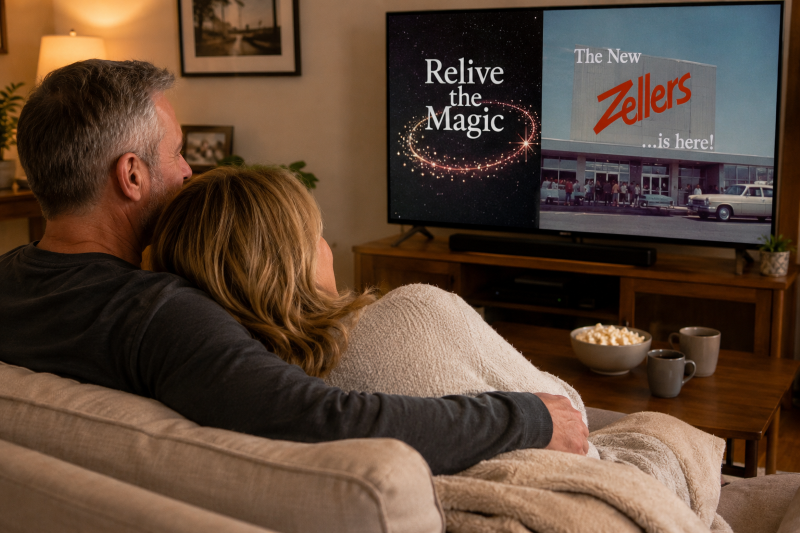
It Creates an Emotional Connection
Many purchasing decisions are influenced by emotions. While people like to compare prices and features, feelings often play a bigger role than we realize.
A product that reminds someone of a happy memory can feel more meaningful than a similar product without that connection.
For example, a favourite childhood snack may remind someone of school lunches. A particular song may bring back memories of family road trips. A clothing style may remind someone of their younger years.
The product itself becomes connected to the memory.
This emotional connection can make customers more likely to remember a brand, trust it, and choose it again.
Nostalgia Builds Trust
Familiar brands often feel safe and reliable. When consumers recognize a logo, product design, or advertisement they remember from the past, they may already have a positive association with that company.
In a marketplace filled with new products and constant change, familiarity can be comforting.
A brand that reminds customers of positive experiences can create trust before someone even makes a purchase.
It Connects Different Generations
One of the reasons nostalgia marketing is so effective is because it can bring generations together.
Parents may recognize a product from their childhood, while younger customers discover the brand for the first time.
Examples include:
- Parents introducing children to games they enjoyed growing up
- Families sharing favourite foods from previous generations
- Younger shoppers embracing vintage clothing styles
- New generations discovering older music, movies, and technology
Nostalgia does not always require someone to have personally experienced the past. Sometimes people are drawn to the feeling, style, and story behind another era.
The Psychology Behind Nostalgia Marketing
Nostalgia is a powerful emotional response because memories are closely connected to our identity. Certain sights, sounds, smells, and experiences can instantly remind us of important moments from our past.
Positive memories can create feelings of:
- Happiness
- Comfort
- Belonging
- Security
- Connection
Brands use these emotions to make products feel more personal. Instead of being just another item on a shelf or another advertisement online, a product can become connected to a meaningful experience.
Nostalgia can also make decision-making easier. When consumers recognize something familiar, they may feel more confident choosing it because it feels trusted and predictable.
In a marketplace filled with thousands of choices, familiarity can give a brand a valuable advantage.
Examples of Successful Nostalgia Marketing
Food and Beverage Brands
Food is one of the strongest categories for nostalgia marketing because taste and smell are closely connected to memories.
A favourite snack, drink, or recipe can bring someone back to childhood, family gatherings, or special occasions.
Food brands often use nostalgia marketing by:
- Bringing back discontinued favourites
- Reintroducing classic recipes
- Creating retro packaging
- Celebrating products from previous decades
- Sharing the history behind a brand
A familiar treat from childhood can create an emotional reaction that goes far beyond taste. It becomes connected to a memory.
Fashion Brands
Fashion is constantly influenced by the past. Trends from previous decades often return because people enjoy combining familiar styles with modern updates.
Examples include:
- 1990s-inspired clothing
- Vintage denim
- Classic sneakers
- Retro patterns
- Y2K fashion trends
Many shoppers enjoy wearing styles that remind them of another time while still having the comfort and quality expected today.
Entertainment and Technology
Entertainment companies frequently use nostalgia marketing by bringing back popular experiences from the past.
Examples include:
- Movie remakes
- Classic television reboots
- Retro gaming consoles
- Updated versions of older technology
- Re-releases of popular music
These products allow consumers to revisit memories while enjoying modern improvements.
Logo Design and Nostalgia Marketing
A logo is often one of the strongest visual connections people have with a brand. Long after someone forgets an advertisement or product description, a familiar logo can instantly bring back memories.
Think about the brands you recognized as a child. A certain shape, colour combination, or design style may remind you of family shopping trips, favourite products, or special moments from the past.
This is why logo design plays an important role in nostalgia marketing. A successful logo does more than identify a company. It becomes part of the customer’s experience with the brand.
When businesses refresh their branding, the goal is often not to completely erase the past. Instead, many companies update their look while keeping the elements customers already recognize.
Logo designers can use nostalgia marketing by:
- Refreshing classic logos while keeping recognizable features
- Using colours connected to a brand’s history
- Creating vintage-inspired designs
- Designing packaging that feels familiar
- Helping businesses tell their story visually
A strong logo can become part of a customer’s memories and help a brand remain recognizable for years to come.
Nostalgia Marketing in the Digital Age
Social media has made nostalgia marketing even more powerful. Platforms such as TikTok, Instagram, Facebook, and YouTube allow people to share memories instantly with millions of others.
Popular nostalgia content includes:
- Throwback photos
- “Remember when…” posts
- Childhood memories
- Old advertisements
- Retro trends
A single nostalgic image or video can quickly spread as people share their own memories and experiences connected to it.
Social media has also introduced younger generations to trends from decades they never personally experienced. This has helped increase interest in:
- Vinyl records
- Classic cars
- Vintage home décor
- Retro video games
- Older fashion styles
Why Consumers Respond to Nostalgia
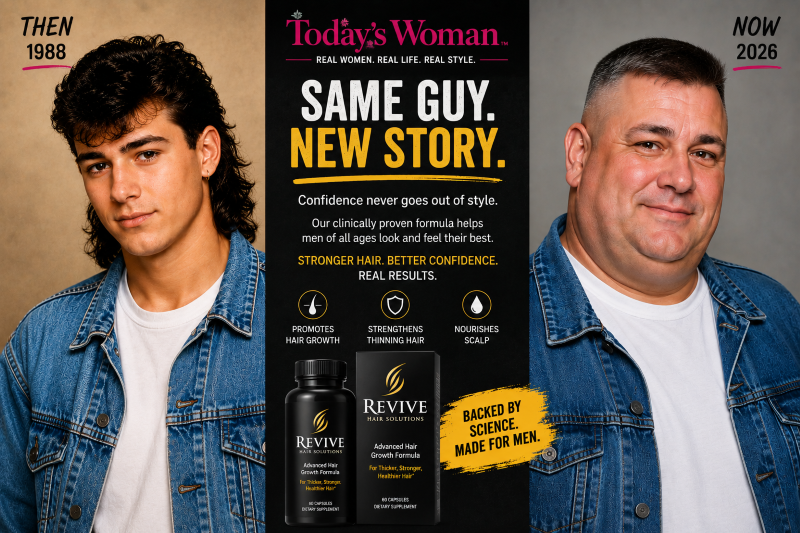
Nostalgia works because people are not simply buying objects. They are buying experiences, emotions, and memories connected to those products.
A product connected to a meaningful memory can feel more valuable because it represents something beyond the item itself.
A customer may not just see a product as a snack, piece of clothing, or game. They may see:
- Family traditions
- Childhood memories
- Important milestones
- Personal experiences
- Connections with loved ones
That emotional connection can make a brand more memorable and encourage customers to return.
The Risks of Nostalgia Marketing
While nostalgia can be a powerful marketing tool, it needs to be used carefully. Customers can quickly recognize when a company is using memories only as a sales tactic.
It Can Feel Forced
A successful nostalgia campaign needs to feel genuine. Simply adding an old-fashioned design or using a popular song from the past does not automatically create an emotional connection.
The strongest campaigns are connected to a brand’s actual history or the experiences of its customers.
Memories Are Not Universal
Not everyone shares the same experiences. A campaign that strongly connects with one generation may not have the same impact on another.
Businesses need to understand their audience and choose memories that feel authentic and meaningful.
Brands Must Balance Old and New
Customers enjoy familiar elements from the past, but they also expect modern quality, convenience, and innovation.
The most successful nostalgia marketing campaigns combine the comfort of yesterday with the expectations of today.
How Small Businesses Can Use Nostalgia Marketing
Nostalgia marketing is not only for large corporations with decades of history. Small businesses can also use personal stories, customer memories, and familiar experiences to create stronger relationships with their audience.
A business may benefit from nostalgia marketing if it has a unique story, loyal customers, products connected to memories, or is updating its branding.
Ideas for using nostalgia marketing include:
- Sharing how the business started
- Highlighting longtime customers and their stories
- Sharing photos from earlier years
- Celebrating anniversaries and milestones
- Bringing back popular past products
- Using vintage-inspired designs
- Updating a logo while keeping recognizable elements
A local bakery, restaurant, family-owned company, or online business can create powerful emotional connections by sharing the story behind the brand.
Customers often remember how a company makes them feel just as much as the products or services it provides.
How Brands Can Create Authentic Nostalgia Campaigns
Successful nostalgia marketing requires more than simply adding a vintage look to a product. It requires understanding the audience and creating a meaningful connection.
Brands should:
- Understand their customers and their memories
- Share genuine stories
- Connect the past with the present
- Focus on emotions instead of only making sales
- Respect the memories they are referencing
- Create experiences customers want to share
Authenticity is what separates a meaningful campaign from a marketing gimmick.
Why Nostalgia Marketing Connects With Different Generations
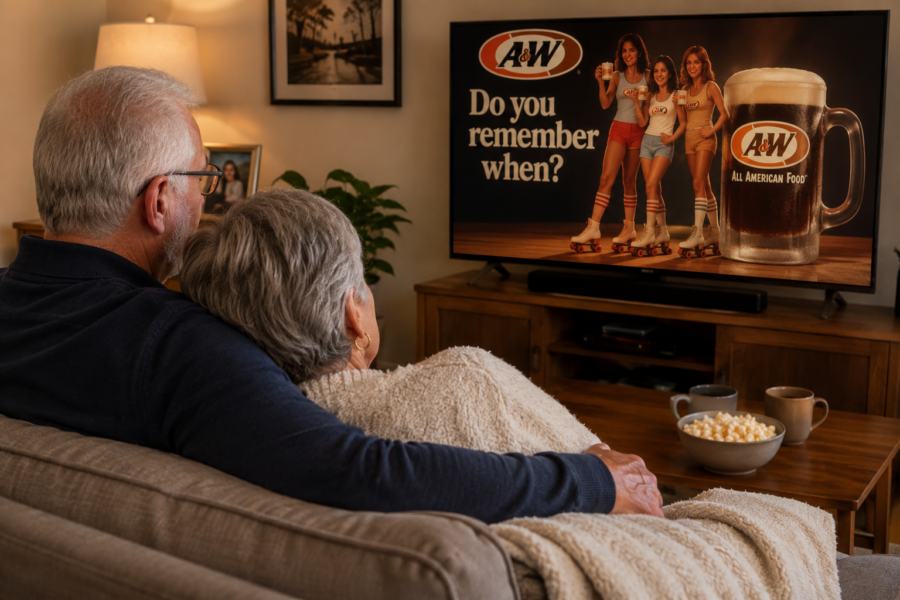
Nostalgia marketing is especially effective because it can create connections across generations.
Older consumers may have personal memories connected to a brand, while younger customers may discover the appeal of vintage styles, classic designs, or traditional experiences for the first time.
This creates opportunities for families to share favourite products, traditions, and experiences with each other.
In many cases, nostalgia is not just about remembering the past. It is about creating new memories today.
Final Thoughts: Nostalgia Marketing Turns Products Into Memories
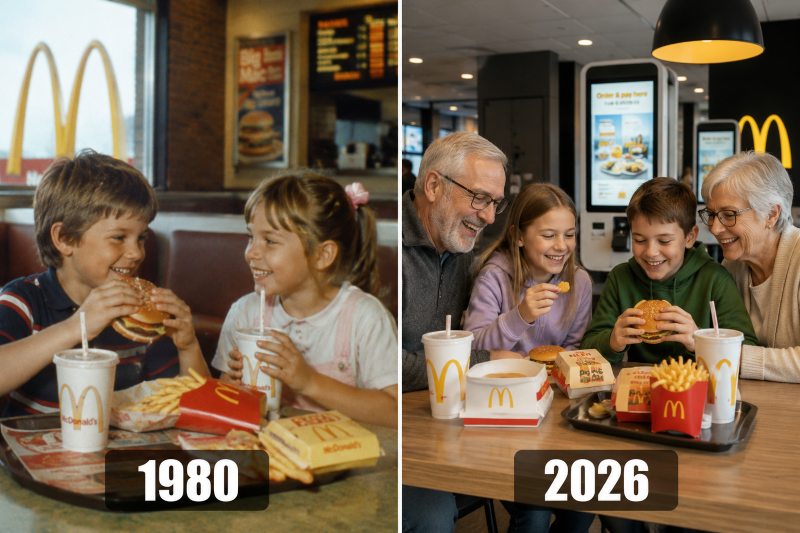
Nostalgia marketing works because people are not only buying products or services. They are buying the feelings, memories, and experiences connected to them.
The strongest campaigns do not simply recreate the past. They combine familiar memories with modern value, creating something that feels both comfortable and relevant.
Whether it is a recognizable logo, a familiar package design, a favourite childhood product, or a company’s personal story, nostalgia can help brands create deeper connections with customers.
In a world where consumers see thousands of advertisements every day, the brands that stand out are often the ones that remind people of something meaningful.
Frequently Asked Questions About Nostalgia Marketing
What is nostalgia marketing?
Nostalgia marketing is a strategy businesses use to connect with customers by using memories, familiar experiences, and elements from the past to create an emotional connection.
Why is nostalgia marketing effective?
Nostalgia marketing works because positive memories can create feelings of trust, comfort, and connection. Customers often remember brands that are connected to meaningful experiences.
Can small businesses use nostalgia marketing?
Yes. Small businesses can use nostalgia marketing by sharing their history, customer stories, old photos, and the experiences that make their brand unique.
How does logo design connect with nostalgia marketing?
Logos can trigger memories and recognition. Updating a logo while keeping familiar elements can help businesses maintain customer loyalty while creating a modern brand identity.
Is nostalgia marketing only effective for older customers?
No. Nostalgia marketing can appeal to all generations. Older customers may connect through personal memories, while younger customers may enjoy vintage styles and discovering the past.