Why Topical Beauty Products Alone Cannot Fix Hormonal Acne
4 min read
788 words
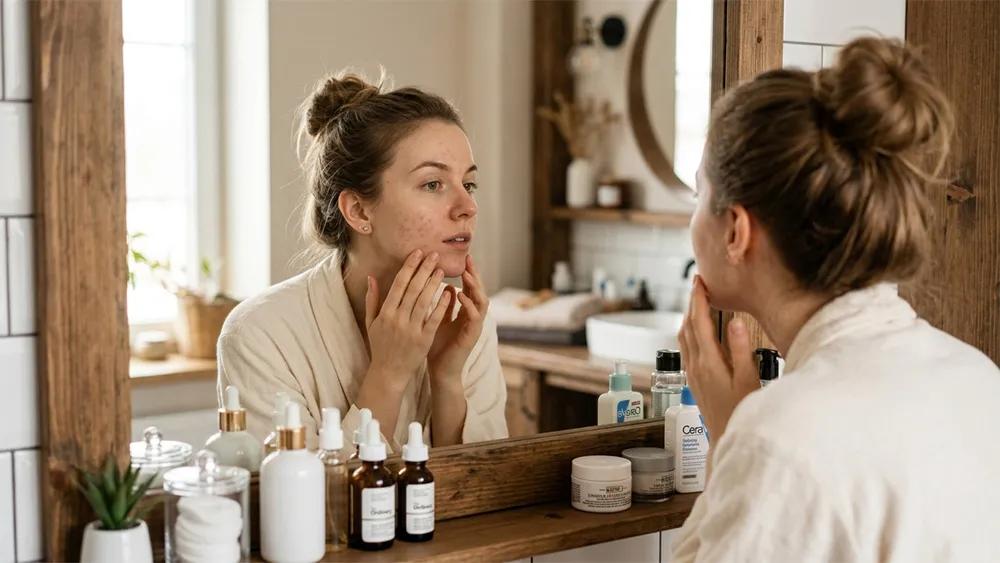
You have curated the perfect vanity cabinet. You cleanse, tone, and moisturise religiously every morning and night. Yet, like clockwork, the week before your period brings a familiar cluster of deep, tender blemishes along your jawline and chin. If this frustrating cycle sounds familiar, you are certainly not alone. Over 20 percent of Australian adult women are affected by hormonal acne. In fact, clinical surveys indicate that up to 54 percent of adult women experience some form of breakouts, meaning females account for two-thirds of all dermatologist visits for the condition. Adult-onset acne is a distinct, hormonally driven clinical entity. Interestingly, as many as one-third of adult female sufferers report that they never even experienced blemishes during their teenage years.
Understanding the Monthly Cycle of Skin Changes
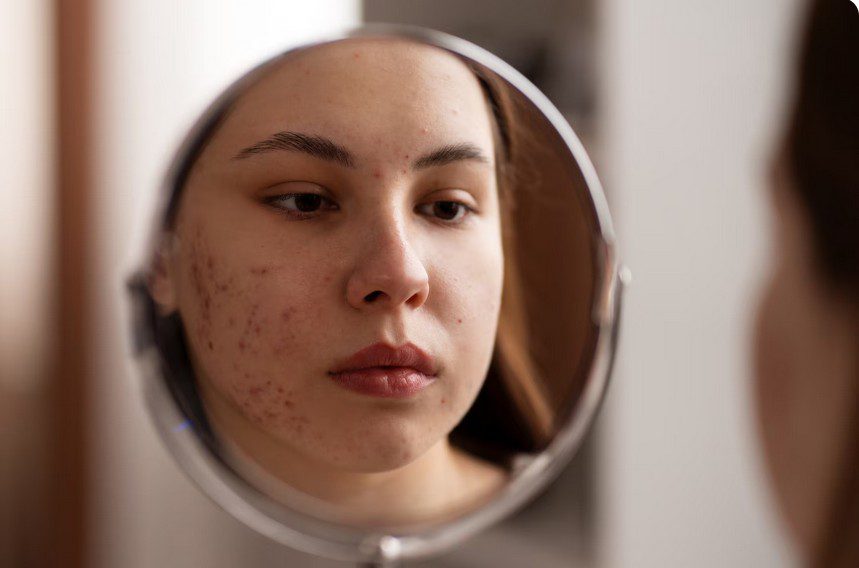
To understand why surface-level creams often fail during certain times of the month, we must look beneath the skin. Hormonal acne is not caused by failing to wash your face. It is driven by systemic, internal fluctuations.
As you enter the luteal phase of your cycle, your hormone levels shift dramatically. In fact, clinical research confirms acne is exacerbated by peak progesterone levels and fluctuating oestrogen during the premenstrual phase. This natural hormonal spike signals your sebaceous glands to produce thicker sebum. This heavy oil can easily trap dead skin cells and bacteria inside the pore, resulting in the painful, cystic spots associated with your cycle.
With 33 to 41 percent of young Australian women experiencing persistent premenstrual symptoms, addressing these hormonal imbalances is crucial. Taking targeted PMS supplements in Australia has become a proactive, highly regulated way to support the body through its natural cycles. Stabilising hormones from within can drastically reduce the severity of monthly breakouts before they even reach the skin’s surface.
Why External Treatments Need Internal Backup
Topical beauty products are undoubtedly important for maintaining a healthy skin barrier and treating everyday congestion. Establishing a solid skincare routine for acne-prone skin is vital for surface care, especially when using active ingredients to keep your pores clear. However, these external products cannot stop the internal hormonal signals that tell your body to overproduce oil in the first place.
Treating hormonal breakouts solely from the outside is like mopping the floor while the sink is still overflowing. When the root cause is an internal hormonal shift, you need an internal strategy to match. This realisation has driven a massive shift in how modern women approach their daily beauty routines.
The Rise of Ingestible Beauty and Internal Wellness
Australia has recently emerged as a global leader in the inside-out beauty movement, ranking tenth globally in total wellness market size. Australians now spend heavily on wellness, driven by a national shift toward preventive health. A recent industry report highlighted a 12.5 percent increase in demand for the women’s health supplement category. This boom is fueled primarily by individuals seeking natural, botanical solutions for menstrual wellness.
Strategies to Support Your Skin from the Inside Out
Transitioning to a holistic skincare approach requires looking at how your diet, gut health, and internal routines impact your complexion. Functional skin nutrition practitioners increasingly recommend combining topical routines with internal interventions. Here are several proven ways to support your skin internally:
- Manage Your Gut Health: A major 2025 study analysing over 186,000 acne patients confirmed the gut-skin axis, finding a strong link between gastrointestinal issues and moderate to severe breakouts. Gut dysbiosis weakens the gut barrier and causes systemic inflammation, directly increasing sebum production.
- Incorporate Targeted Nutrients: Nutrients such as zinc, omega-3 fatty acids, and specific probiotics help neutralise inflammatory pathways that surface-level creams cannot reach. These additions work systemically, giving your body the building blocks it needs to repair skin tissue.
- Lower Systemic Inflammation: Chronic internal inflammation can create cellular insulin resistance even if you eat a low-glycaemic diet. This triggers the overproduction of androgens, making your skin far more sensitive to normal hormonal fluctuations.
- Track Your Triggers: Keep a journal of your menstrual cycle alongside your skin flare-ups and dietary choices. Understanding when your skin needs extra internal support allows you to adjust your routine before a breakout appears.
A Balanced Approach to Lasting Clear Skin
Ultimately, achieving a consistently clear complexion requires a harmonious balance of external care and internal health. Your favourite serums and spot treatments will always have a place in your bathroom cabinet. They are essential for protecting your skin barrier, enhancing cell turnover, and managing minor blemishes.
However, if you are constantly battling deep, cyclical breakouts that ignore your best topical efforts, it is time to look past the surface. By addressing internal inflammation, supporting your gut health, and providing your body with the nutrients it needs to balance hormones naturally, you can finally give your topical beauty products the foundation they need to succeed.