
4 min read
763 words
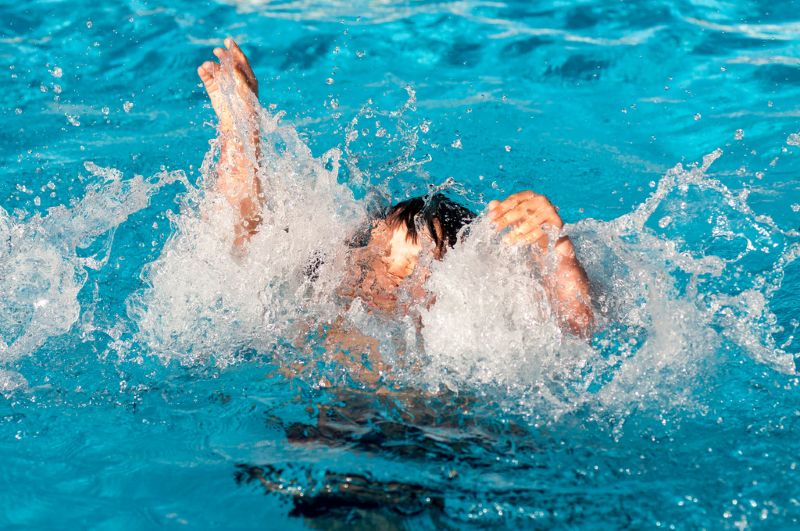
Summer is a time for enjoying the water, whether it’s swimming in a lake, relaxing by the pool, or boating. However, this season also brings an increased risk of drowning, a serious public health issue that can happen silently and in mere seconds. In Canada, drowning ranks as the third leading cause of accidental death, claiming approximately 460 lives annually. Countless others suffer non-fatal drowning incidents, often resulting in long-term health consequences. This summer, it’s crucial to refresh your knowledge of drowning facts and implement essential safety tips to protect yourself and your loved ones.
Understanding the Scope of the Problem
The statistics surrounding drowning are alarming and highlight the urgent need for increased awareness and preventative measures. While drowning can affect individuals of all ages, certain demographics are at higher risk. Notably, adults aged 65 and older experience the highest rates of drowning incidents. This may be attributed to factors such as age-related health conditions, reduced physical abilities, and a potential underestimation of water hazards.
Children are also particularly vulnerable to drowning. The Canadian Pediatric Society emphasizes that a lack of supervision is the most significant risk factor for children under five. Astonishingly, 97% of drowning incidents involving children occur due to absent or distracted supervision. This underscores the critical importance of constant and vigilant monitoring of young children near any body of water, no matter how shallow. A child can drown in as little as one inch of water, emphasizing the need for extreme caution around bathtubs, wading pools, and even buckets of water.
Beyond age, other factors contribute to drowning risk. Alcohol consumption is a major concern, particularly in boating-related incidents. A staggering 60% of boating fatalities involve alcohol, impairing judgment, coordination, and reaction time. This highlights the dangers of mixing alcohol and water activities, and the importance of responsible behavior while boating. Another significant factor in fatal drowning incidents is the absence of life jackets or Personal Floatation Devices (PFDs). Across all age groups, over 80% of fatal drownings occur when individuals are not wearing a life jacket or PFD.
Key Risk Factors Explained
Understanding the key risk factors associated with drowning is the first step in preventing these tragedies. Let’s delve deeper into some of the most critical factors:
- Lack of Supervision: Distractions like cell phones, conversations, or other activities can divert attention away from children. Pro-Tip: Use a “Water Watcher” lanyard or badge to designate one adult as the sole, distraction-free supervisor.
- Swimming Ability: Confident swimming does not eliminate the need for adult supervision. Even experienced swimmers can be caught off guard by fatigue or medical emergencies.
- Alcohol and Drug Use: These significantly impair judgment, coordination, and reaction time, making individuals more vulnerable.
- Underlying Medical Conditions: Individuals with heart problems, seizures, or diabetes may be at increased risk of sudden incapacitation.
- Environmental Factors: Strong currents, waves, and cold water can rapidly impair physical abilities.
Water Safety Quick Tips: Your Summer Checklist
- Supervise children closely and constantly: Designate a “water watcher” who is solely responsible for monitoring children.
- Learn to swim: Swimming lessons are a valuable investment. Recommendation: Use high-quality, age-appropriate swim vests or goggles to help build confidence in the water.
- Wear a life jacket or PFD: Always wear a properly fitted life jacket when boating or participating in water activities. Recommendation: Look for low-profile, USCG-approved PFDs that are comfortable enough for all-day wear.
- Never swim alone: Swim with a buddy or in areas supervised by lifeguards.
- Avoid alcohol and drugs: Refrain from consuming these before or during water activities.
- Know your limits: Assess your swimming abilities realistically and stay within your comfort zone.
- Learn CPR: Knowing CPR can be a life-saving skill. Recommendation: Keep a portable, waterproof first-aid kit nearby to ensure you are prepared for minor accidents.
- Be aware of the environment: Pay attention to weather conditions, currents, and potential hazards.
- Fence swimming pools: Install a fence to prevent unsupervised access. Pro-Tip: Add a wireless pool alarm for an extra layer of protection.
- Empty wading pools and bathtubs immediately after use: Never leave water standing, as even a small amount poses a risk.
Conclusion: A Collective Responsibility
Drowning is a preventable tragedy. By understanding the risks, implementing essential safety measures, and promoting water safety awareness, we can significantly reduce the number of drowning incidents and ensure a safer summer for everyone. This requires a collective effort from individuals, families, communities, and organizations to prioritize water safety and take proactive steps to protect ourselves and our loved ones. Let’s work together to make this summer a season of safe and enjoyable water activities for all.
This article originally ran June 2025.
 Valerie Cox
  Nancy Whitmore
  Rose DesRochers
I really don’t agree with piercing a child’s ear especially not a babies. It should be their decision to make it’s their bodies .. When they are older!