What to Put in a Dementia Comfort Box: Meaningful Ideas
14 min read
2773 words
Watching someone you love experience dementia can be heartbreaking, particularly when familiar routines, treasured memories, and everyday activities become increasingly difficult. Family members often find themselves searching for ways to keep their loved ones occupied, reduce feelings of loneliness, and bring a little happiness into their daily lives. Something as simple as a familiar photograph, a favourite piece of fabric, or an old keepsake can sometimes create an opportunity for connection when conversation becomes challenging. One thoughtful idea worth considering is creating a dementia comfort box filled with meaningful objects, familiar textures, sensory items, and personal mementos.
A dementia comfort box is a personalized collection of items selected around an individual’s interests, life experiences, hobbies, and sensory preferences. It does not have to be expensive or elaborate. Many of the most meaningful items may already be sitting in a drawer, photograph album, or storage cupboard. A favourite stuffed animal, an old family photograph, a familiar household object, or a piece of clothing with a recognizable texture may offer something enjoyable to hold and explore. The intention is not to test someone’s memory or expect them to recognize every object. Instead, the goal is to provide opportunities for comfort, reminiscence, sensory engagement, and meaningful interaction.
10 Things to Put in a Dementia Comfort Box
1. Family Photographs and Personal Memories
Photographs can be among the most meaningful items in a dementia comfort box because they offer a familiar visual connection to family, friends, pets, and important life experiences. Consider including pictures from weddings, family holidays, childhood homes, birthdays, and other occasions that were significant to the person. Older photographs may encourage reminiscence, while pictures of children and grandchildren can provide opportunities for family members to share updates and stories. Choose photographs that are easy to handle, preferably in a sturdy album or protective sleeves, so they can be looked at repeatedly without becoming damaged.
Someone living with dementia may not always recognize the people in photographs, even when those individuals are close family members. Rather than repeatedly asking who someone is or expecting the person to recall a particular occasion, try sharing the story yourself. You might say, “This was taken at your wedding,” or “Look how small the grandchildren were in this picture.” Even if the person cannot identify everyone, they may still enjoy looking at the photographs and listening to the conversation. The goal is connection rather than testing memory.
2. Soft Stuffed Animals and Comfort Dolls
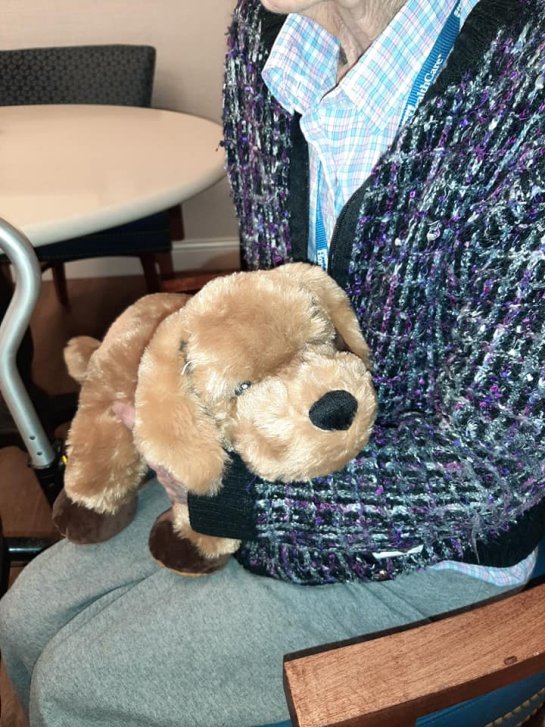
A soft stuffed animal can offer something familiar to hold, stroke, and cuddle. Some people enjoy the sensation of soft fur against their hands, while others appreciate having a comforting companion sitting beside them. Although stuffed animals are often associated with childhood, adults can also find comfort in them, particularly when they enjoy tactile experiences or have always loved animals. A familiar-looking plush dog or cat may even encourage someone to talk about pets they once owned. For someone who cannot have a live animal in their retirement residence, a stuffed companion may offer another way to enjoy the presence of an animal.
I experienced this firsthand when I brought Theo the Therapy Dog, a 2.5-pound weighted plush animal, into a retirement home. One lady immediately gave him the name Peattie and asked if she could keep him because she thought he was my new puppy. Another resident sat quietly stroking his soft fur while speaking to him. One lady commented that having a companion like Theo would be comforting because she often felt lonely. A gentleman shared memories of a dog he had owned growing up. These interactions showed me how a simple stuffed animal could encourage conversation, bring back memories, and offer something enjoyable to hold.
3. A Favourite Blanket or Weighted Comfort Item
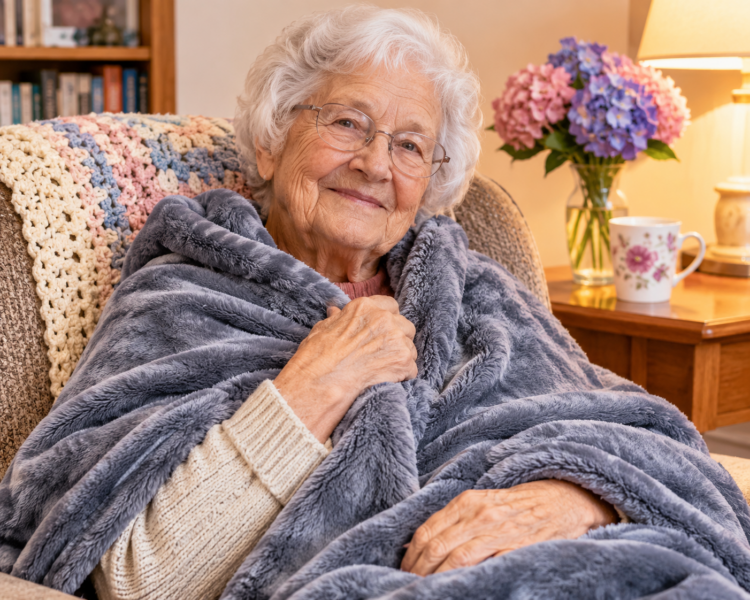
Familiar fabrics can provide a comforting tactile experience, particularly for someone who enjoys keeping their hands occupied. Consider including a small piece of fleece, cotton, flannel, or another familiar material. If your loved one has a favourite blanket at home, you might include a small piece of matching fabric or bring the blanket along during visits. Someone who enjoys sewing or knitting may appreciate handling different fabrics, folding them, or simply feeling their textures between their fingers.
Some people also enjoy the gentle pressure of a weighted blanket or weighted comfort item. However, weighted products are not suitable for everyone, particularly individuals who have difficulty moving or removing them independently. Consider the person’s physical abilities and speak with their healthcare provider or occupational therapist before introducing a weighted product. You can learn more about the features, fillings, and considerations involved in choosing one in my article, How a Weighted Blanket Delivers Better Sleep and Tranquility.
4. Favourite Music and Familiar Songs
Music can be a wonderful addition to a dementia comfort box, especially when the person has favourite singers, songs, or musical traditions. Consider creating a playlist featuring music they enjoyed during their younger years, songs associated with family celebrations, or familiar tunes they once sang regularly. You might include a small card listing their favourite songs along with a simple music player or instructions for family members and caregivers. Listening to familiar music can provide an opportunity for enjoyment even when spoken communication becomes more difficult.
You do not need to turn listening into a structured activity. Sometimes sitting together and enjoying a favourite song is enough. A person may tap their fingers, hum along, smile, or share a memory associated with the music. Others may prefer listening quietly. Pay attention to their reactions because loud music, unfamiliar sounds, or certain songs can sometimes cause distress rather than comfort. Keep the volume at a comfortable level and allow the individual to decide whether they want to continue listening.
5. Familiar Household Objects
Some of the most interesting items in a dementia comfort box may be ordinary household objects rather than toys or specially designed activity products. Think about the things your loved one used regularly throughout their life. Someone who enjoyed cooking might appreciate a clean wooden spoon, a plastic measuring cup, or a familiar tea towel. Someone who spent years maintaining a home might enjoy folding a clean dishcloth or sorting safe household items. These objects can provide an opportunity to reconnect with familiar routines without expecting the person to perform complicated tasks.
When selecting household objects, consider both their personal meaning and their safety. Choose items that are lightweight, easy to hold, and free from sharp edges or detachable components. Avoid electrical appliances, cleaning products, knives, and anything that could be mistaken for food. You may be surprised by how much enjoyment someone can get from a simple object associated with an activity they once loved. The important thing is to follow their interest rather than insisting that they use the object in a particular way.
6. Fabric Squares and Sensory Activities
A small collection of fabric squares can provide a simple sensory activity for someone who enjoys touching and exploring different materials. You could include cotton, fleece, corduroy, velvet, and flannel, selecting colours and textures that are visually appealing and comfortable to handle. Place the pieces in a small basket or fabric pouch so the person can take them out, examine them, fold them, and put them back. Some individuals may enjoy sorting the fabrics according to colour, while others may simply prefer feeling the different materials.
This type of activity does not require a correct answer or a particular outcome. Someone can spend several minutes exploring one piece of fabric without needing to move on to another. If the person enjoys sewing, quilting, or knitting, you can also choose materials that reflect those interests. Make sure the fabric pieces are large enough to handle easily and do not have loose threads or small decorations that could present a swallowing hazard.
7. Gardening Memories and Flower Photographs
For someone who spent years gardening, familiar gardening-related objects may bring back pleasant memories. Consider including flower photographs, seed catalogues, pictures of their former garden, or a pair of clean gardening gloves. You might also add artificial flowers that the person can arrange in a small vase. These items can provide an opportunity to talk about favourite plants, gardens they once maintained, or flowers they enjoyed growing.
If the person still enjoys participating in gardening activities, you could introduce simple tasks such as arranging artificial flowers or looking through pictures of seasonal gardens. Some individuals may enjoy touching leaves or smelling flowers, while others may prefer simply looking at photographs. Avoid sharp gardening tools, fertilizers, pesticides, and small seeds that could be swallowed. The activity should be adapted to the person’s abilities and interests rather than becoming another source of frustration.
8. Favourite Books, Magazines, and Picture Collections
A favourite magazine, gardening catalogue, cookbook, or picture book can be a lovely addition to a dementia comfort box. Choose reading materials that reflect the person’s interests and contain photographs or illustrations that are easy to see. Someone who loved animals may enjoy looking through a book of dogs and cats, while a former sports enthusiast might appreciate photographs of their favourite team. Large-print materials can also be helpful for individuals who have difficulty reading smaller text.
Do not assume that the person needs to read an entire article or finish a book to benefit from the experience. Looking at pictures, turning pages, and listening while someone reads aloud can all be enjoyable activities. You might sit together and talk about the photographs without expecting the person to remember names or details. If they lose interest, simply put the material away and try something else during another visit.
9. Items Connected to a Favourite Hobby
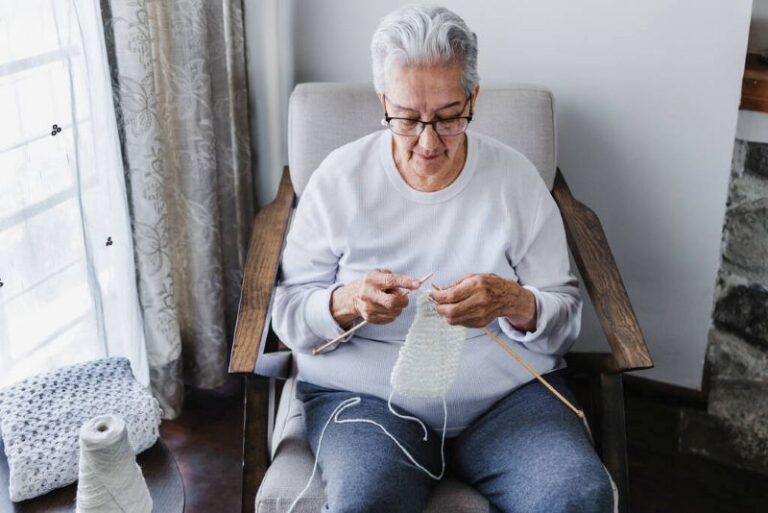
One of the best ways to personalize a dementia comfort box is to think about the hobbies and activities your loved one enjoyed before their diagnosis. Perhaps they loved knitting, sewing, woodworking, painting, fishing, baking, or playing cards. These interests can often be adapted into simpler activities that provide opportunities for engagement without requiring the person to perform at their previous skill level. Someone who enjoyed painting might appreciate looking through old artwork, while someone who loved sewing might enjoy sorting larger fabric pieces.
It is important to avoid making assumptions about what someone can still do based on their former abilities. A person who once enjoyed knitting may no longer be able to follow a pattern or handle knitting needles safely. That does not mean the interest has to disappear completely. Looking at knitting projects, touching yarn, or discussing familiar patterns may still be enjoyable. Focus on preserving the pleasure associated with the hobby rather than expecting the person to recreate what they once accomplished.
10. Personal Keepsakes, Postcards, and Letters
A small collection of personal keepsakes can make a dementia comfort box especially meaningful. Consider including old postcards, greeting cards, letters from family members, souvenirs from favourite holidays, or small mementos connected to important life events. These objects can provide opportunities to talk about family relationships, friendships, places the person visited, and celebrations they once enjoyed. A postcard from a favourite destination or an old birthday card may be more meaningful than a newly purchased activity toy.
You can also include newly written notes from family members. A short message expressing love or sharing a happy memory may provide a personal connection. Remember that written information may become difficult to understand as dementia progresses, so do not expect the person to read or interpret every message independently. Sometimes hearing a familiar voice read a letter aloud is more enjoyable than looking at the words. Choose objects that are safe to handle and avoid placing valuable or irreplaceable belongings in the box.
How to Make a Dementia Comfort Box at Home

Creating a dementia comfort box does not require special equipment, expensive activity kits, or complicated instructions. A sturdy storage basket, small plastic container, or fabric-covered box can work beautifully. Before selecting the contents, spend some time thinking about the person’s life, including their former hobbies, favourite household activities, pets, music, family traditions, and places they enjoyed visiting. If possible, ask other family members to contribute ideas or share photographs and keepsakes that may be meaningful. Someone who grew up on a farm, for example, may appreciate very different objects from someone who spent their life sewing, travelling, or raising a family.
I recommend starting with a small selection of carefully chosen items rather than filling the container with everything you can find. Too many objects can become visually overwhelming, particularly for someone who has difficulty processing information or making decisions. Introduce one or two items at a time and allow the person to explore them without rushing. You might sit alongside them, share a story about an object, or simply enjoy their company while they handle it. If something causes confusion, frustration, or distress, quietly put it away and try another item. The contents should be flexible and reflect the person’s changing preferences.
What If Someone With Dementia Doesn’t Show Interest?
Not everyone will enjoy a comfort box, and even someone who loves the idea may respond differently from one day to another. Dementia can affect concentration, communication, sensory preferences, and the ability to participate in familiar activities. Someone who previously enjoyed looking through photographs may eventually lose interest, while another person may spend considerable time touching and arranging familiar fabrics. This does not mean the activity has failed. It simply means that their needs and preferences should guide what you offer.
Try not to interpret a lack of interest as rejection or assume that the person is being difficult. They may be tired, uncomfortable, overwhelmed, or simply not in the mood for an activity. Pay attention to facial expressions, body language, and other signs of enjoyment or distress. If they seem frustrated, give them a break rather than repeatedly encouraging them to participate. Sometimes sitting together quietly, listening to familiar music, or offering a reassuring presence may be more meaningful than any object you could put inside a box.
Safety Considerations When Choosing Dementia Activities
Before introducing a dementia comfort box, consider the person’s individual abilities and potential safety risks. Small objects, loose buttons, beads, sharp tools, strong fragrances, and items with detachable components may not be appropriate for someone who has difficulty swallowing, tends to put objects in their mouth, or has reduced coordination. Choose larger, easy-to-handle objects and inspect them regularly for damage. Weighted items should also be assessed carefully because some individuals may have difficulty lifting or removing them independently.
If your loved one lives in a retirement home or long-term care facility, speak with the care staff before bringing in new objects. They may know which textures, activities, and personal belongings the resident enjoys, as well as which items are unsuitable because of individual care needs. A nurse, occupational therapist, or other member of the care team can help you adapt activities to the person’s abilities. The goal is to make the experience enjoyable and reassuring without introducing unnecessary risks.
Sometimes the Simplest Things Mean the Most
When someone you love is living with dementia, it is easy to feel that you need to find the perfect activity, purchase an expensive gift, or discover something that will make their difficulties disappear. Unfortunately, there is no single object that works for everyone, and a comfort box is not a treatment for dementia. What it can offer is an opportunity to bring familiar interests, enjoyable textures, personal keepsakes, and meaningful experiences into someone’s day. Sometimes the smallest gestures create opportunities for connection that might otherwise be missed.
My experience taking Theo the Therapy Dog into a retirement home reminded me that comfort does not always come from complicated programs or expensive products. Seeing residents smile, gently stroke his fur, and share memories of their childhood pets was a lovely reminder of how important familiar objects and simple interactions can be. I also remember how stuffed animals provided my daughter with comfort during the weeks and months following her traumatic brain injury. Those experiences have given me a greater appreciation for the emotional significance that familiar objects can hold.
If you are creating a dementia comfort box for someone you love, start with what you know about them. Think about the music they enjoyed, the pets they loved, the hobbies they once pursued, and the objects that were part of their everyday life. You do not have to fill an entire box or get everything right the first time. A familiar photograph, a soft stuffed animal, or a favourite piece of fabric may be enough to create a pleasant moment. Sometimes the most meaningful gift we can offer someone is not another possession, but a little comfort, patience, and time spent together.