Why Are More Adults Choosing to Straighten Their Teeth?
5 min read
869 words
Orthodontic treatment has traditionally been associated with teenagers. For many years, braces were considered a normal part of adolescence, while adults often assumed they had missed their chance to achieve a straighter smile. Today, that attitude is changing. More adults are exploring orthodontic treatment, thanks to modern options that can be discreet, convenient and tailored to their individual needs.
From improving oral health to feeling more confident about their appearance, adults have many reasons to consider straightening their teeth. Advances in dental technology have also made treatment more appealing to people who want to fit orthodontic care into their busy lives.
Discreet Orthodontic Treatments
One of the biggest reasons adults are considering orthodontics is the wider range of treatment options available. Traditional metal braces remain an effective choice, but they are no longer the only option for correcting alignment problems.
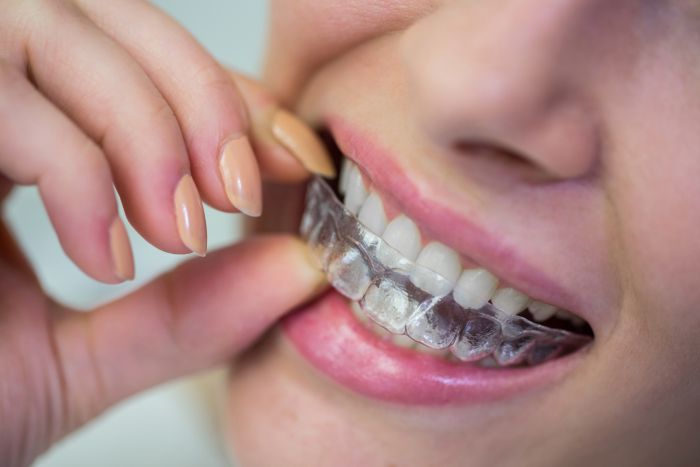
Clear aligners, ceramic braces and lingual braces, which are attached to the backs of the teeth, offer alternatives for people concerned about the appearance of orthodontic appliances. Clear aligners are particularly appealing to adults who want a less noticeable way to straighten their teeth.
The most suitable option depends on the complexity of the alignment problem, oral health and personal preferences. An orthodontic assessment can help determine which approach is appropriate.
Supporting Oral Health and Everyday Function

Appearance is an important consideration for many adults, but orthodontic treatment can also address functional concerns. Crowded or overlapping teeth may be more difficult to clean thoroughly, potentially making it harder to maintain good oral hygiene.
Certain bite and alignment problems can also contribute to uneven tooth wear or difficulties with chewing. Depending on the individual’s circumstances, correcting these issues may improve dental function and make everyday oral care easier.
However, orthodontic treatment does not automatically prevent gum disease, tooth decay or jaw pain. Good oral hygiene, regular dental visits and appropriate treatment for existing dental problems remain essential.
Confidence and Self-Esteem
A person’s smile can influence how they feel about their appearance and how comfortable they are in social situations. Adults who have felt self-conscious about crooked or crowded teeth for years may see orthodontic treatment as an opportunity to address a long-standing concern.
For some people, a straighter smile can help them feel more comfortable in photographs, at work or when meeting new people. Others simply want to make a change they have been considering for a long time.
Everyone’s reasons are different, and orthodontic treatment is a personal decision. The goal is not to meet someone else’s expectations but to find an approach that aligns with individual needs and preferences.
Greater Financial Independence
Some adults did not have access to orthodontic treatment when they were younger because of financial limitations or other family circumstances. As adults, they may have more control over their healthcare decisions and finances, allowing them to revisit the possibility.
The growing emphasis on preventive care and personal well-being may also encourage people to invest in their dental health. Still, orthodontic treatment can be expensive, and costs vary according to the type of appliance, treatment complexity and length of care.
Before beginning treatment, patients should ask about the total cost, payment options, insurance coverage and any additional expenses, such as retainers or follow-up appointments.
Advances in Dental Technology
Modern orthodontics has benefited from digital scanning, treatment-planning software and improvements in orthodontic appliances. Digital scans can often replace traditional impression materials, while computer-assisted planning helps orthodontic professionals assess tooth movement and plan treatment.
These developments may make parts of the process more comfortable and convenient. However, treatment times vary considerably. Some cases can be completed in months, while others require a year or longer. The timeline depends on the movements needed and how the teeth respond to treatment.
Adults should be cautious about promises of exceptionally fast results. Moving teeth safely requires careful planning and professional monitoring.
Finding the Right Dental Professional
Choosing a qualified dental professional is an important step when considering orthodontic treatment. Adults may want to ask about the provider’s experience treating adult patients, the options available and how progress will be monitored.
During an assessment, the dental professional can evaluate alignment, bite, gum health and any existing dental concerns. This is particularly important for adults who have fillings, crowns, missing teeth or a history of gum disease. These factors do not necessarily rule out orthodontic treatment, but they may affect the treatment plan.
Patients should also understand the responsibilities involved, including attending appointments, following instructions and wearing retainers as recommended after treatment.
It Is Never Simply About Age
The growing interest in adult orthodontics reflects changing attitudes toward dental health, appearance and personal choice. With several treatment options available, adults no longer need to assume that braces are only for teenagers.
Whether the motivation is to address crowding, improve a bite or feel more confident about a smile, orthodontic treatment may be worth exploring at different stages of life. The best approach depends on each person’s oral health, goals, budget and clinical needs.
A consultation with a qualified dental professional can help adults understand their options, expected treatment time and potential benefits. With realistic expectations and an individualized plan, achieving a healthier, more comfortable smile may be possible well beyond the teenage years.