Regenerative medicine: Redefining the Way We Heal
4 min read
694 words
Modern medicine has always focused on finding ways to repair damage, restore function, and relieve suffering. From advanced surgeries to innovative medications, healthcare has made incredible progress in helping people recover from illness and injury.
However, one of the most fascinating developments in recent years is based on a different idea. Instead of simply replacing what is damaged or managing symptoms, regenerative medicine focuses on helping the body activate its own natural ability to heal.
This emerging field represents a significant shift in healthcare. It views the human body not as a machine that simply wears down over time, but as a complex, adaptable system with remarkable potential for repair and renewal when given the right support.
The Body’s Natural Blueprint for Repair
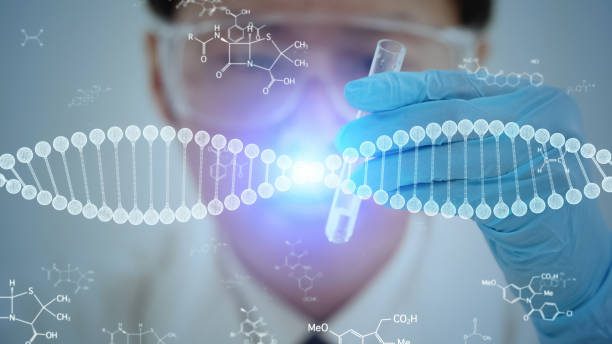
Every cell in the body carries an inherent intelligence for regeneration. When tissue is damaged, the body begins a series of complex biological responses, sending growth factors, stem cells, and platelets to the site of injury to start the repair process. This system is highly efficient when you are young, but it slows over time due to aging, stress, and environmental factors. Regenerative therapies work by reawakening these natural mechanisms, restoring vitality to tissues that have lost their healing power.
This concept is transforming how doctors and patients think about recovery. Instead of only managing symptoms, regenerative medicine focuses on the root cause, helping the body rebuild what has been lost. It shifts the focus from treatment to restoration, offering a path that feels both deeply human and scientifically advanced.
The Science of Regeneration
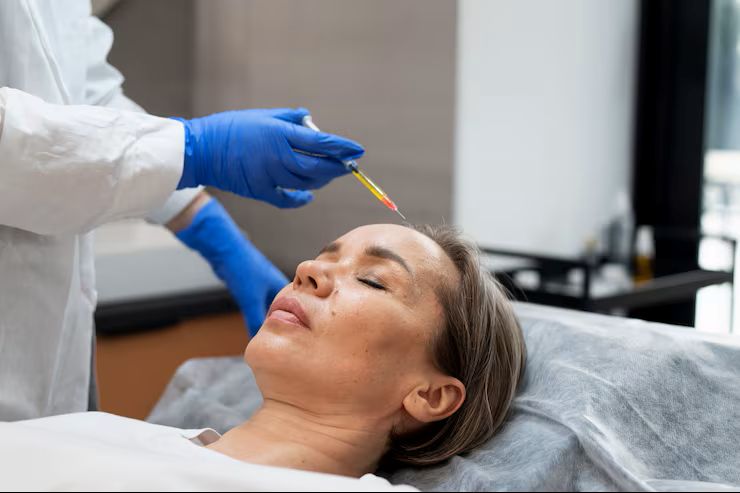
At the heart of regenerative medicine are biological therapies that use components of a person’s own body to stimulate healing. One of the best-known examples is platelet-rich plasma (PRP) therapy. This approach harnesses the regenerative potential of platelets, which are rich in growth factors that promote tissue repair and collagen production.
When a small amount of a patient’s blood is drawn, processed, and reinjected into targeted areas, those concentrated platelets begin to signal the body to repair itself naturally. The result can be faster recovery, reduced inflammation, and improved tissue strength. For those interested in innovative, minimally invasive treatments, platelet rich plasma therapy in Irvine, CA represents a cutting-edge example of how science and the body’s innate intelligence work together.
Stem Cells and the Future of Regenerative Care
Stem cells are another area of significant interest within regenerative medicine. These unique cells have the ability to develop into different types of specialized cells and play an important role in growth and repair.
Researchers continue to study how stem cell-based treatments may support healing in areas such as damaged cartilage, muscles, nerves, and other tissues.
While regenerative medicine continues to advance, scientists are still learning about the full potential and limitations of these therapies. Ongoing research is helping doctors better understand which treatments may be most effective and for which patients.
Beyond Treatment: A Holistic Vision of Health
Regenerative medicine is more than a medical advancement; it represents a philosophical shift in how people define health. Traditional approaches often view the body as something to be fixed, while regenerative care sees it as something to be supported and understood. It is about optimizing the body’s ability to heal, rather than forcing it into temporary balance.
This way of thinking extends beyond physical recovery. By encouraging natural repair, regenerative therapies can reduce dependency on pain medications, surgeries, and synthetic treatments. They invite patients to take a more active role in their wellness journey, emphasizing prevention, nourishment, and renewal.
A New Chapter in Healing
As researchers continue exploring the possibilities of regenerative medicine, one message remains clear: the future of healthcare may involve working more closely with the body rather than simply treating problems after they occur.
Healing is not always a straight path. It is a complex process involving repair, adaptation, and renewal.
Regenerative medicine combines scientific innovation with the body’s natural design, offering a new perspective on recovery and wellness. While research continues, this evolving field reminds us of something remarkable: the human body has always carried the ability to heal, and modern medicine is learning how to better support that process.