AI Avatars in Gaming: How Artificial Intelligence Is Changing Play
7 min read
1214 words
Artificial intelligence is opening up new possibilities in the gaming industry, from characters that respond more naturally to players to virtual companions that can make game worlds feel more interactive. AI avatars and intelligent non-player characters are becoming an interesting part of the conversation about the future of gaming.
For players, the appeal is easy to understand. Imagine exploring a fantasy world alongside a character that responds to your questions, offers useful hints, or reacts differently depending on what happens during your adventure. Although these experiences are not available in every game, advances in AI are giving developers new ways to experiment with character interaction and storytelling.
So, what are AI avatars, how might they change gameplay, and what should players know about this developing technology?
What Are AI Avatars in Gaming?
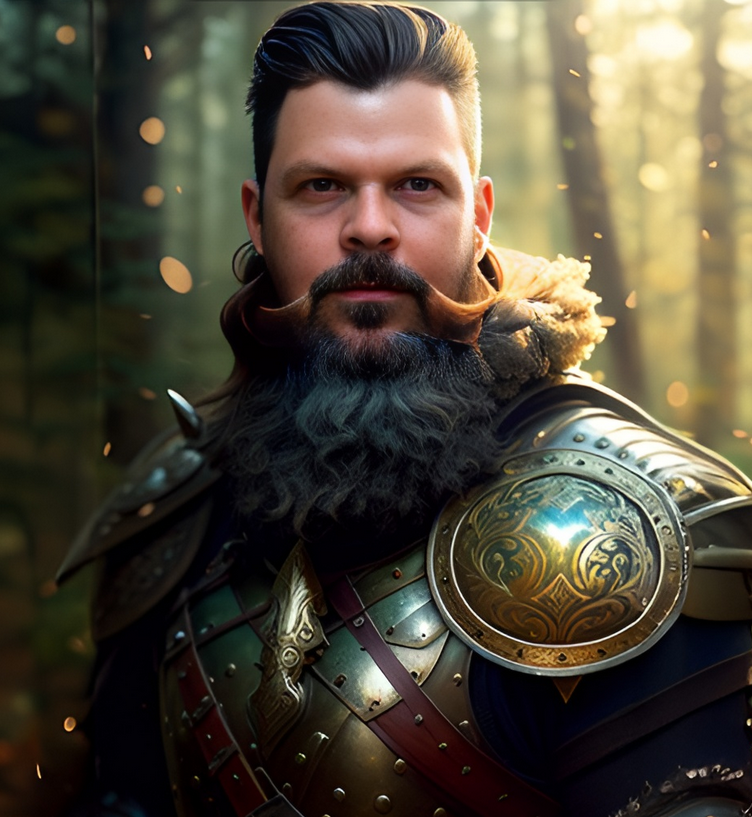
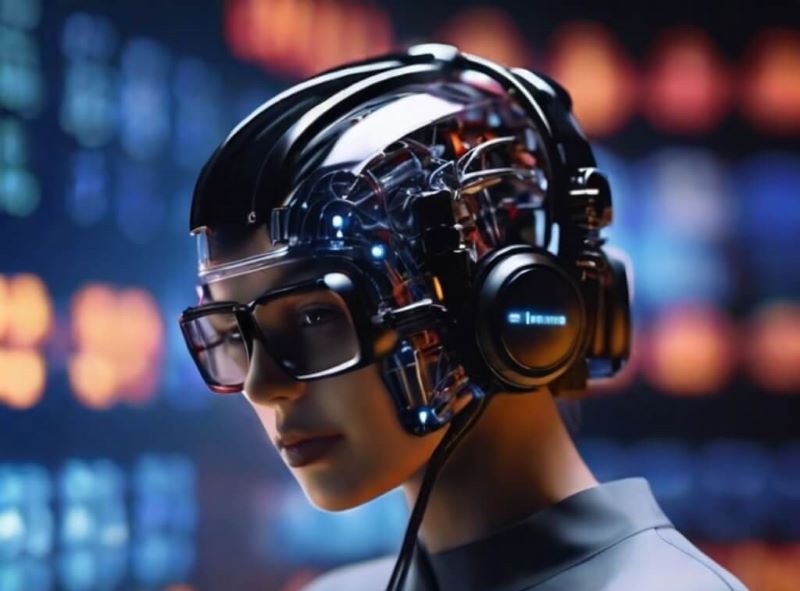
An AI avatar is a digital character that uses artificial intelligence to support some aspect of its behaviour, communication, or interaction. Depending on the application, it might represent a player, act as a virtual companion, or serve as an interactive character within a game.
Traditional non-player characters, commonly called NPCs, typically follow behaviour designed by game developers. They may offer quests, provide information, or react to specific events. AI-powered characters can use additional techniques, such as natural language processing or machine learning, to support more flexible interactions.
However, not every digital avatar uses AI, and not every AI-powered character learns from a player’s behaviour. The capabilities depend on how the developer has designed and implemented the technology.
How AI Avatars Could Change Gameplay

One of the most interesting possibilities is creating characters that respond more naturally to players. Instead of choosing from a small set of scripted dialogue options, players might be able to interact with certain characters using everyday language.
Imagine exploring a mysterious village and asking a virtual character for directions. In a game designed to support AI-generated dialogue, that character might provide a contextual response rather than repeating the same line every time.
Other potential applications include helping players understand game mechanics, providing optional hints, or making conversations feel less predictable.
These features are still dependent on the particular game. Developers must also ensure that AI-generated responses fit the story, respect the game’s rules, and do not give players misleading information.
AI Companions and More Natural Interactions
Virtual companions are another area where AI could influence gaming. Many adventure and role-playing games already feature companions who help players during quests, provide dialogue, or contribute to combat.
AI technologies could make some of these interactions more flexible. For example, a companion might respond to a player’s questions, offer guidance in different ways, or react to events through dialogue generated for that situation.
For players who enjoy story-driven games, this could create new opportunities for exploration and character development.
Personalisation is another possibility. Some systems may allow players to adjust a character’s appearance, voice, or conversational style. However, these options vary by game, and a character that responds dynamically does not necessarily remember previous sessions or develop a lasting relationship with the player.
Can AI Change Game Worlds and Levels?

AI is also being explored in game development, including procedural content generation and tools that assist developers with creating environments, dialogue, and other assets.
Procedural generation is not new. Games have used algorithms to create maps, landscapes, dungeons, and other content for years. AI techniques may offer additional ways to help generate or adapt some of these elements.
For example, a game could be designed to create different challenges or environments based on player choices. An AI-assisted development tool might also help designers experiment with new locations or variations of existing content.
It is important to distinguish these possibilities from what happens during ordinary gameplay. An AI avatar does not automatically redesign a level simply because a player enjoys exploring mountains or searching for hidden caves. Any adaptive features must be deliberately developed and supported by the game.
AI Avatars and Personalised Gaming Experiences
Personalisation can make games more accessible and enjoyable when it is implemented thoughtfully. AI-supported systems may help tailor dialogue, offer guidance, or adjust certain aspects of an experience.
For example, a game could provide optional hints to someone who is struggling with a puzzle or offer additional explanations for a complicated game mechanic. A virtual character might also communicate information in a more conversational way.
However, personalisation does not always require AI. Many games already use difficulty settings, branching storylines, customisable characters, and player-choice systems to create different experiences.
The most useful approach is to consider what the technology adds. If AI makes interactions more engaging or helps players enjoy a game, it may provide a meaningful improvement. If it adds confusing dialogue or unpredictable behaviour, the experience may be less enjoyable.
What Are the Challenges of AI in Gaming?
Although AI creates exciting possibilities, it also introduces challenges for game developers and players.
Accuracy and consistency: AI-generated dialogue can sometimes be incorrect, repetitive, or inconsistent with a game’s story. Developers need ways to keep character responses appropriate and reliable.
Privacy: Some AI features may process voice recordings, chat messages, or other user inputs. Players should review privacy policies and understand what information a game or connected service collects.
Cost and performance: AI features can require computing resources and additional development work. Their availability may depend on the device, internet connection, or service being used.
Creative control: Developers still need to shape characters, stories, and game mechanics. AI tools can assist with certain tasks, but human design remains important for creating a coherent and enjoyable experience.
Player safety: Interactive AI characters may produce unsuitable or misleading responses. Games intended for children and teenagers need particular care around content, privacy, and safeguards.
These considerations will influence how AI features are introduced and how useful they become to players.
The Future of AI Avatars in Gaming
AI-powered characters may become more common as developers experiment with conversational systems, adaptive interactions, and new ways to create game content.
Future applications could include companions that respond to a wider range of questions, characters that react more naturally to player decisions, and tools that help developers build richer environments. Some games may also explore more personalised stories and interactions.
However, progress will not look the same across the entire industry. Some developers may prioritise AI dialogue, while others may focus on animation, world-building, accessibility, or behind-the-scenes development tools.
The success of these innovations will depend on more than technical capability. Players still want engaging stories, responsive controls, believable characters, and well-designed gameplay. AI is most valuable when it supports those fundamentals rather than distracting from them.
Final Thoughts on AI Avatars in Gaming
AI avatars represent one of several ways artificial intelligence is influencing video games. Depending on how they are implemented, they may allow more flexible conversations, more responsive virtual companions, and new approaches to personalisation.
The technology also raises important questions about privacy, reliability, creative control, and player safety. Not every game needs AI-generated characters, and not every AI feature improves the experience.
For players, the most important thing is to understand what a particular game offers rather than assume all AI avatars work in the same way. As developers continue experimenting with these tools, the most successful uses will be those that make games more engaging, accessible, and enjoyable.