
5 min read
814 words
We all want a healthy, happy smile, right? It’s not just about aesthetics; a healthy mouth is intrinsically linked to our overall well-being. Yet, despite our best intentions, common dental problems can creep up on us, causing discomfort, pain, and sometimes, a lot of worry. The good news? Most of these issues are entirely preventable with a little knowledge and consistent care. So, let’s dive into some of the most prevalent dental woes and, more importantly, uncover the simple steps you can take to keep them from impacting your pearly whites.
The Usual Suspects: Common Dental Concerns
1. Cavities (Dental Caries): These are perhaps the most well-known dental problem. Cavities are tiny holes that form in your teeth, usually caused by bacteria that feed on sugars in your food. These bacteria produce acids that erode tooth enamel, leading to decay.
- Why they happen: Poor oral hygiene (not brushing and flossing regularly), a diet high in sugar and acidic foods, and insufficient fluoride exposure.
- The impact: From sensitivity to severe pain, infection, and even tooth loss if left untreated.
2. Gum Disease (Periodontal Disease): This is a serious infection that affects the soft tissues supporting your teeth. It often starts as gingivitis – inflammation of the gums, characterized by redness, swelling, and bleeding. If left untreated, it can progress to periodontitis, a more severe form that can damage the bone supporting your teeth.
- Why it happens: Plaque buildup due to inadequate brushing and flossing is the primary culprit. Other factors include smoking, certain medical conditions (like diabetes), and genetics.
- The impact: Bleeding gums, bad breath, receding gums, loose teeth, and ultimately, tooth loss. It’s also been linked to systemic health issues like heart disease and stroke.
3. Tooth Sensitivity: Do certain foods or drinks send a jolt of pain through your teeth? You might be experiencing tooth sensitivity, often caused by worn enamel or exposed tooth roots.
- Why it happens: Aggressive brushing, gum recession, grinding your teeth (bruxism), consuming acidic foods and drinks, and even teeth whitening treatments.
- The impact: Discomfort and pain when consuming hot, cold, sweet, or acidic substances.
4. Bad Breath (Halitosis): While occasional bad breath can be embarrassing, persistent halitosis often signals an underlying dental issue.
- Why it happens: Poor oral hygiene, gum disease, dry mouth, certain foods (like garlic and onions), smoking, and sometimes, underlying medical conditions.
- The impact: Social embarrassment and a potential indicator of more serious oral health problems.
Your Proactive Plan: Preventing Dental Problems
The good news is that preventing these common issues is surprisingly straightforward and largely involves consistent, good habits.
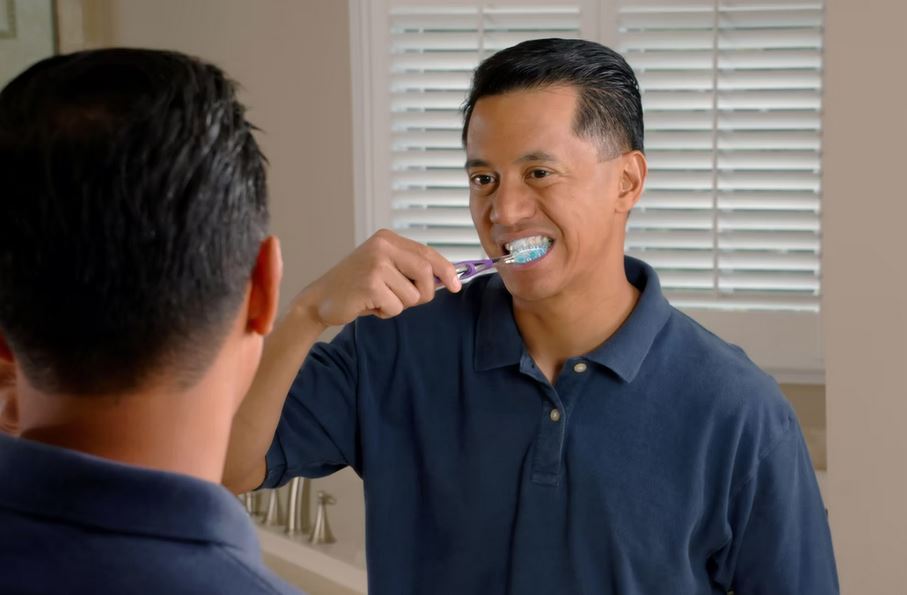
1. Master Your Brushing Technique (Twice a Day!): This is your first line of defense. Use a soft-bristled toothbrush and fluoride toothpaste. Brush gently for two minutes, ensuring you reach all surfaces of your teeth – front, back, and chewing surfaces. Don’t forget to brush your tongue to remove bacteria.
2. Floss Like You Mean It (Once a Day!): Brushing alone can’t reach the tight spaces between your teeth and under the gum line. Flossing removes plaque and food particles that your toothbrush misses, significantly reducing your risk of cavities and gum disease. Make it a habit, and your gums will thank you.
3. Embrace a Tooth-Friendly Diet: Limit sugary snacks and drinks. When you do indulge, try to consume them with meals rather than between meals, as this lessens their impact. Rinse your mouth with water after eating or drinking something acidic. Opt for crunchy fruits and vegetables, which can help clean your teeth naturally.
4. Don’t Forget Fluoride: Fluoride strengthens tooth enamel, making it more resistant to acid attacks. Ensure your toothpaste contains fluoride, and consider fluoride mouth rinses or professional fluoride treatments if your dentist recommends them.
5. Stay Hydrated with Water: Water is your mouth’s best friend! It helps wash away food particles and bacteria. It also combats dry mouth, which can increase your risk of cavities.
6. Visit Your Dentist Regularly: This might seem obvious, but it’s crucial. Professional cleanings remove hardened plaque (tartar) that you can’t remove at home. Regular check-ups allow your dentist to detect problems in their early stages, when they are easiest to treat. Aim for a check-up every six months, or as recommended by your dentist.
7. Consider Dental Sealants and Mouthguards: Your dentist might recommend dental sealants for your back teeth, which are a thin plastic coating that prevents food and bacteria from getting into the grooves and pits. If you grind your teeth or play contact sports, a custom-made mouthguard can protect your teeth from damage.
Invest in Your Smile, Invest in Your Health
Taking care of your teeth isn’t a chore; it’s an investment in your overall health and well-being. By understanding common dental problems and committing to a consistent preventive routine, you can enjoy a healthy, confident smile for years to come. So, let’s make those small daily habits count, and keep those smiles shining bright!
 Kim Monroe
  Hailey Reynolds