
Can horses read human emotions?
6 min read
1008 words
Horses have been valued by humans for centuries, not only for their strength and companionship but also for their ability to form meaningful connections with people. Many horse owners will tell you that spending time with these gentle and intelligent animals has a calming effect and can provide emotional support during difficult times.
In recent years, the connection between humans and horses has gained increased attention from healthcare professionals. A growing number of therapists and specialists are incorporating horses into treatment programs designed to support emotional, physical, cognitive, and developmental needs.
From helping individuals manage stress and anxiety to supporting children with autism and people recovering from trauma or addiction, horses are proving that their role extends far beyond recreation.
The Benefits of Equine-Assisted Therapy
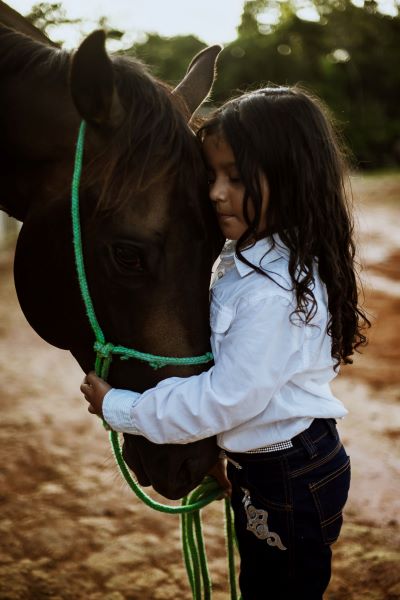
Equine-assisted therapy is a form of treatment that involves interactions with horses as part of a structured therapeutic program. Unlike traditional therapy settings, working with horses allows individuals to connect through movement, communication, trust, and responsibility.
Therapeutic programs may involve activities such as:
- Grooming and caring for horses
- Leading a horse through exercises
- Learning horse communication skills
- Building confidence through riding activities
- Developing emotional awareness
These activities can encourage patience, confidence, problem-solving skills, and emotional regulation.
Specialized programs, such as those offered by therapeutic riding centres and organizations, provide support for individuals with a variety of needs, including physical disabilities, developmental challenges, emotional difficulties, and behavioural concerns.
How Horses Can Support Mental Health
Many people experience a unique sense of calm when interacting with horses. Their gentle nature and sensitivity can create a safe environment where individuals feel more comfortable expressing emotions.
Spending time with horses may help support mental well-being by:
Reducing Stress and Anxiety
Being around animals has long been associated with feelings of relaxation. Caring for a horse requires focus and presence, which can help people take a break from daily worries.
Building Confidence
Learning how to communicate with such a large animal can be empowering. Successfully grooming, leading, or working with a horse can help individuals develop confidence and a sense of accomplishment.
Encouraging Responsibility
Horse care involves regular routines and commitment. Feeding, grooming, and maintaining a horse’s needs can help individuals develop structure and responsibility.
Improving Emotional Awareness
Horses respond strongly to human behaviour and body language. Learning how horses react can help people become more aware of their own emotions and communication style.
Can Horses Read Human Emotions?
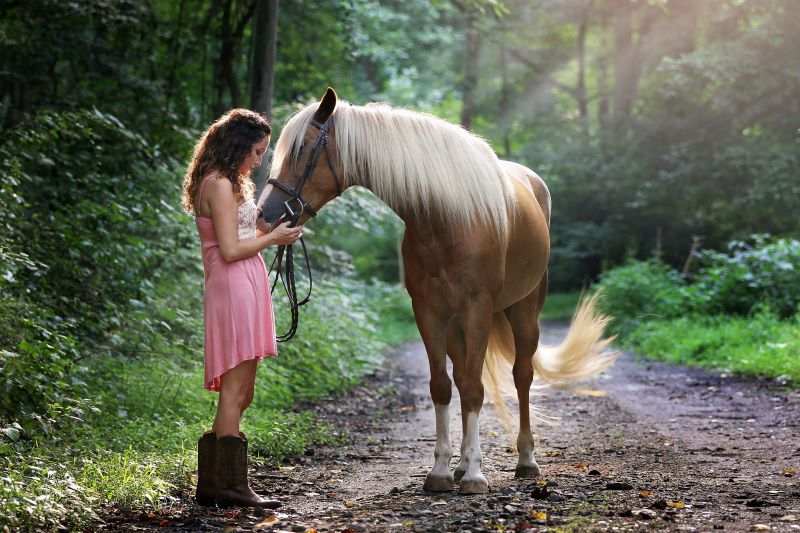
One of the most fascinating aspects of horses is their ability to respond to human emotions.
Research suggests that horses can recognize differences in human facial expressions and respond differently depending on whether a person appears happy or angry.
In one study, researchers showed horses photographs of people displaying angry and happy facial expressions. When the horses viewed angry faces, they showed a stronger response, including looking more with their left eye and experiencing an increase in heart rate.
These reactions suggest that horses are able to recognize emotional signals from human faces.
Horses Remember Human Expressions
Researchers also discovered that horses may remember emotional experiences with specific people.
After seeing photographs of individuals displaying either positive or negative expressions, horses later met those same people while they displayed neutral expressions.
The horses responded differently based on the emotions they had previously observed, suggesting they remembered the earlier facial expressions and used that information during future interactions.
This ability highlights the impressive social intelligence of horses and their awareness of human behaviour.
The Importance of Body Language Around Horses
Communication with horses is not only about words. Horses rely heavily on body language, energy, and subtle signals.
Understanding how your body communicates can help create a stronger relationship with a horse.
Important factors include:
- Staying calm and relaxed
- Using gentle movements
- Maintaining respectful space
- Being aware of your tone of voice
- Avoiding sudden movements that may frighten the animal
Because horses are highly observant, they often respond to emotions people may not even realize they are displaying.
A nervous or tense person may unintentionally communicate fear, while a calm and confident approach can encourage trust.
Horses Are Intelligent and Social Animals
Horses are much more than powerful animals used for riding or work. They are social creatures capable of learning, remembering, and forming strong bonds.
They can recognize familiar people, respond to training, understand routines, and develop relationships with both humans and other horses.
Their ability to observe and respond makes them excellent partners in therapeutic settings.
The Story of Clever Hans
Many people have heard of Clever Hans, a famous horse that gained worldwide attention in the early 1900s.
Clever Hans appeared to perform impressive tasks, including answering mathematical questions by tapping his hoof. Crowds believed the horse had extraordinary intelligence and could actually solve problems.
However, further investigation revealed that Clever Hans was not performing calculations. Instead, he was responding to subtle, unconscious cues from his trainer and the audience, such as changes in body language and facial expressions.
While Clever Hans was not doing mathematics, the story demonstrated something equally fascinating: horses are incredibly skilled at reading human behaviour.
Why the Human-Horse Connection Matters
The relationship between humans and horses is built on trust, communication, and understanding.
Whether through therapy programs, recreational riding, or simply spending time caring for a horse, these animals can provide companionship and emotional support.
Their ability to sense human emotions reminds us that communication goes beyond spoken words. Body language, patience, and empathy all play an important role in building meaningful connections.
Final Thoughts: Horses Offer More Than Companionship
Horses have an incredible ability to connect with people on an emotional level. Their intelligence, sensitivity, and gentle nature make them valuable partners in therapy and everyday life.
From helping individuals develop confidence to providing comfort during challenging times, horses continue to show why they are considered one of the most remarkable animals in the world.
Whether you are an experienced rider or simply someone who enjoys being around animals, the bond between humans and horses is a powerful reminder of the healing connection we share with the natural world.







Animals areamazing creatures. I think it’s important to have good body language when communicating with any of them.
This is very interesting. I love horses.