

10 min read
1846 words
Are you feeling overwhelmed by the glittering racks and endless array of dance costume options available? You are certainly not alone. The search for the ideal stage wear—the piece that perfectly complements your routine, fits like a glove, and handles the rigors of performance—can feel like a demanding chore.
Look no further! This comprehensive guide is designed to transform the often-stressful process of costume selection into an easy, enjoyable experience. Whether you’re preparing for a high-stakes competition, a celebratory annual recital, or simply looking to upgrade your personal dance wardrobe, the right approach makes all the difference.
Let’s dive into the essential strategies and considerations that will make the dance costume selection process a breeze, ensuring you step onto the stage ready to shine.
Why Choosing the Right Dance Costume is a Fundamental Performance Element
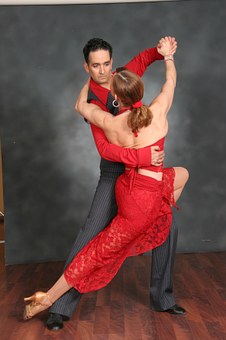
Selecting a dance costume is much more than choosing a pretty outfit; it is a critical component of your overall performance and presentation. The right costume serves multiple fundamental roles that directly impact your success on stage, enhancing both the technical and artistic elements of your routine.
1. Enhancing the Narrative and Choreography
Dance is storytelling, and the costume is a visual aid that instantly sets the tone and context. A costume should not distract from the choreography, but rather underscore the emotion and message the dancer is conveying. For instance, a beautifully flowing lyrical dress enhances the look of extensions and turns, visually extending the lines of the body, while a sharp, tailored jazz outfit emphasizes clean, powerful isolations and dynamic movement. When the costume aligns seamlessly with the music and movement, it elevates the entire artistic package.
2. Boosting Confidence and Presence
The psychology of wearing a spectacular, well-fitting costume cannot be overstated. When a dancer feels confident in their appearance, they are empowered to deliver a stronger, more committed performance. A costume that fits perfectly provides the mental freedom to focus entirely on technique and expression, rather than worrying about a strap slipping or a hem catching. This confidence radiates outward, captivating the audience and the judges.
3. Safety and Mobility
This is arguably the most practical reason why careful selection matters. A poorly designed or ill-fitting costume can pose a genuine safety risk, restricting necessary range of motion or causing trips and falls. The stage uniform must be an extension of the dancer’s body, allowing for full execution of complex moves—from grand jetés to floor work—without constraint.
The Art of Selection: A Deep Dive into Choosing Your Perfect Dance Costume
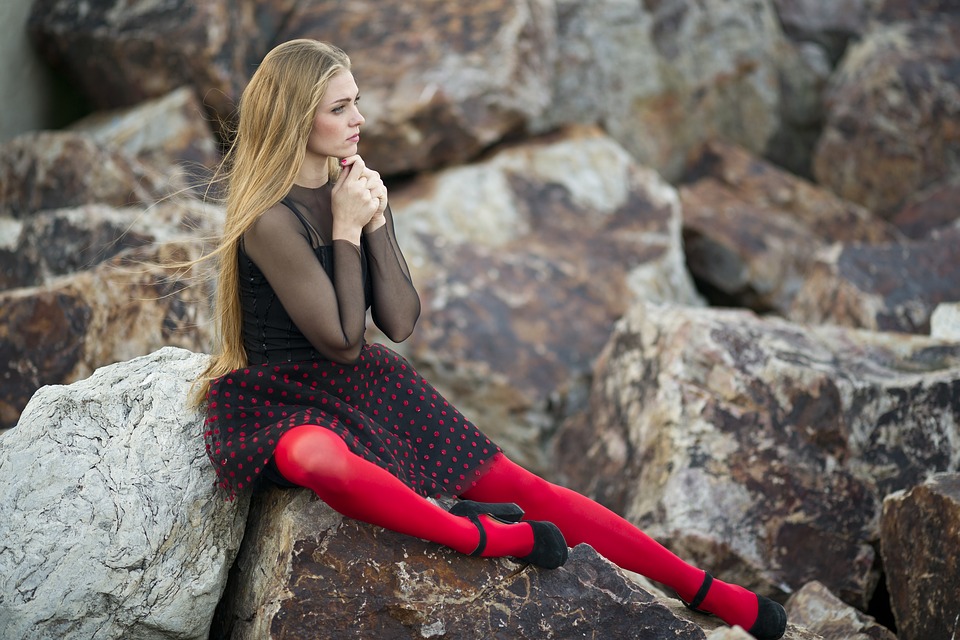
Navigating the vast world of dancewear requires a strategic approach. By breaking down the selection process into key criteria, you can ensure that the final choice is truly the best fit for the dancer, the routine, and the occasion.
1. Know the Purpose: Define the Context
Before you even start browsing, you must establish the exact purpose of the costume. The requirements shift dramatically based on the setting:
- Recitals and Studio Showcases: Often, these call for uniformity and theme adherence. The goal is visual cohesion among a group. Focus should be on durability and consistency across multiple sizes.
- Competitions: Costumes here need maximum impact and often require adherence to strict rules (especially concerning coverage in certain dance styles). The costume must be visually compelling under harsh stage lights and help draw the judges’ eyes to the strengths of the performance.
- Exams or Auditions: These typically demand simplicity. Uniforms like solid color leotards and minimal accessories ensure the focus remains purely on technique and the dancer’s natural lines, not on flashy embellishments.
Understanding the context will immediately help narrow down the style, color palettes, and necessary level of ornamentation.
2. Prioritizing Comfort and Mobility: Fabric and Flexibility
Comfort is not a luxury; it is a necessity in dancewear. A beautiful costume that inhibits motion is a performance liability.
- Fabric Choice: Look for fabrics engineered for performance. Spandex and Lycra blends are essential for stretch and recovery. Mesh paneling can add style while increasing breathability and flexibility. Avoid fabrics that are too stiff, heavy, or prone to excessive wrinkling.
- Seams and Linings: Pay attention to where the seams fall. Poorly placed seams, especially near the armpits or hips, can chafe or tear during aggressive movement. Ensure the costume is adequately lined, particularly in lighter colors, to provide coverage and structure.
- Testing Movement: When trying on a potential costume, don’t just stand still. Run through the movements required in your routine: try a high kick, a deep lunge, or a quick rotation. The costume should stretch and move with you, without pulling uncomfortably or riding up.
3. The Absolute Necessity of the Perfect Fit
A well-fitted costume can elevate a good routine to a great one. Conversely, a costume that is too tight restricts blood flow and movement, while a costume that is too loose can look sloppy and become a hazard.
- Accurate Measurements: Dancewear sizing is notoriously inconsistent across brands. Always rely on the size chart and take fresh measurements (bust, waist, hips, and girth—the measurement around the shoulder through the crotch and back up). Girth is often the most critical measurement for leotards and one-piece costumes.
- The Power of Tailoring: Even professional, off-the-rack costumes often benefit from minor alterations. Be prepared to nip in the waist, adjust strap length, or shorten a skirt. These small fixes ensure the garment truly contours to the dancer’s body, maximizing the visual line.
- Growth Room (For Young Dancers): If ordering far in advance for a growing child, carefully discuss sizing with the retailer or costume designer. It is safer to slightly size up and have the costume professionally taken in, allowing for simple letting out just before the performance.
4. Reflecting Your Dance Style and Artistic Theme
Your costume must visually communicate the genre of dance and the mood of the piece:
- Classical Ballet: Demands structure, typically reflected in tutus (romantic or classical) that highlight posture and grace. Colors tend to be softer or traditionally dramatic (black/white).
- Lyrical/Contemporary: Requires fluid, soft materials that emphasize flow and emotional expression. Asymmetrical cuts, sheer fabrics, and draped designs are popular.
- Jazz/Tap/Musical Theatre: Calls for vibrant colors, strong lines, and fabrics with high-impact shine or texture. The costume often mirrors specific character requirements or a high-energy theme.
- Hip Hop: Focuses on street style, bold graphics, layers, and often requires loose-fitting items that convey freedom and attitude, though tailored pieces are now common for competition.
5. Accessorize Thoughtfully and Strategically
Accessories can be the finishing touch that transforms a costume, but they must be managed with care.
- Stage Lighting Consideration: Think about materials that interact well with stage lighting. Sequins, rhinestones, and metallic fabrics provide sparkle and reflection, helping the dancer pop against the backdrop. Conversely, too much matte or heavy ornamentation can make the dancer appear visually flat.
- Security First: All accessories, especially headpieces, must be secured firmly. Nothing is more distracting than a dancer adjusting a floppy hairpiece mid-routine. Use copious amounts of bobby pins and hairspray or adhesive as needed.
- Props and Gloves: If the routine involves gloves, capes, or handheld props, practice extensively in the costume to ensure quick changes or manipulations can be executed flawlessly without snagging fabric or losing grip.
6. Budgetary Planning and Maintenance
Dance costumes can represent a significant investment. Establish a clear budget early on. Remember to factor in not just the base price, but also shipping, necessary alteration costs, and potential embellishments (like rhinestones).
Finally, always follow the specific care instructions for your costume, which usually involve gentle hand washing or spot cleaning, as stage embellishments are often delicate. Proper care ensures the costume maintains its shape and sparkle for future use.
Sourcing Strategy: Where and How to Acquire Your Ideal Stage Wear
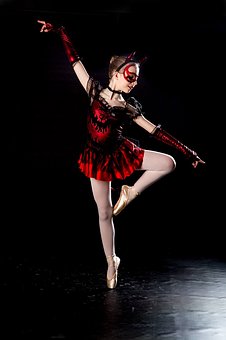
Once you have a clear vision of the style, fit, and movement requirements, the next step is locating the perfect retailer or designer. The approach you choose depends heavily on your budget, timeline, and need for customization.
1. Traditional Local Dancewear Stores
Pros:
- Try Before You Buy: The greatest benefit is the ability to try on multiple sizes and styles instantly, reducing the risk associated with online sizing.
- Expert Advice: Staff at dedicated dance stores often have extensive knowledge of different dance genres and can offer crucial fitting advice, especially for specialized items like pointe shoes or specific competition basics.
- Immediate Needs: Ideal for last-minute emergencies or quick accessory purchases.
Cons:
- Limited Selection: Inventory is constrained by physical space and local demand.
- Higher Pricing: Overhead costs often translate to slightly higher prices compared to large online retailers.
2. Specialized Online Retailers and Marketplaces
Online stores offer the widest variety, making them indispensable for finding unique or niche styles.
Pros:
- Massive Inventory: Access to specialized designs, international brands, and a huge range of sizes and colors.
- Competitive Pricing: Better opportunities to find sales, discounts, and bulk-order pricing.
Cons:
- Sizing Risk: Sizing inconsistencies between brands are common. You must meticulously check size charts and read customer reviews regarding fit.
- Shipping and Returns: Factor in return shipping costs and potential delays if the costume needs to be swapped for a different size. Start shopping as early as possible.
Tip: Look for online retailers that specialize exclusively in dance or theatrical costumes, as they understand the necessary materials and construction quality.
3. Collaborating with Custom Costume Designers
For soloists, professional troupes, or those with very specific artistic visions, nothing beats a custom-made costume.
Pros:
- One-of-a-Kind Design: Guarantees individuality; you won’t see the same design on anyone else at the competition.
- Perfect Fit: The costume is made precisely to the dancer’s measurements, ensuring optimal lines and comfort.
Cons:
- High Cost: Custom work is significantly more expensive than mass-produced items.
- Long Lead Time: Custom costumes require extensive time for consultation, pattern creation, sourcing materials, and construction—often requiring 3 to 6 months. Plan accordingly!
4. Exploring DIY and Upcycling Options
For dancers on a strict budget, or those with creative skills, customizing existing base garments is a viable option.
- The Power of the Base Layer: Start with a high-quality, solid-colored leotard or unitard that fits perfectly.
- Add Your Own Flair: Use fabric paint, strategically placed rhinestones (applied with proper adhesive), lace appliqués, or custom sheer fabric skirts to transform a basic piece into a stage-ready costume. This method allows for maximum personalization while keeping costs down.
Conclusion: Dance Your Heart Out in Style
Selecting the perfect dance costume doesn’t have to be a source of stress. By grounding your process in key pillars—understanding the purpose, prioritizing the dancer’s comfort and mobility, ensuring a flawless fit, and matching the costume to the artistic style—you can confidently navigate the vast options available.
Remember, the ideal costume is the one that acts as a silent partner in your performance, drawing the audience’s eye to your movement without ever distracting from your technique. With the right preparation and strategic sourcing, you will find stage wear that not only looks stunning but empowers you to deliver your most confident, expressive performance yet.
Now go ahead, make that informed choice, rock that stage, and dance your heart out in magnificent, comfortable style!
 Alan Harris
  Kate M
  Carly
Carly
We all have our own style we love,just get the correct fitting and it just makes you feel god!
Dance is all about self-expression, and your costume is an extension of that! Embrace the journey of finding what resonates with you—every choice you make adds to the magic of your performance!