
8 min read
1422 words
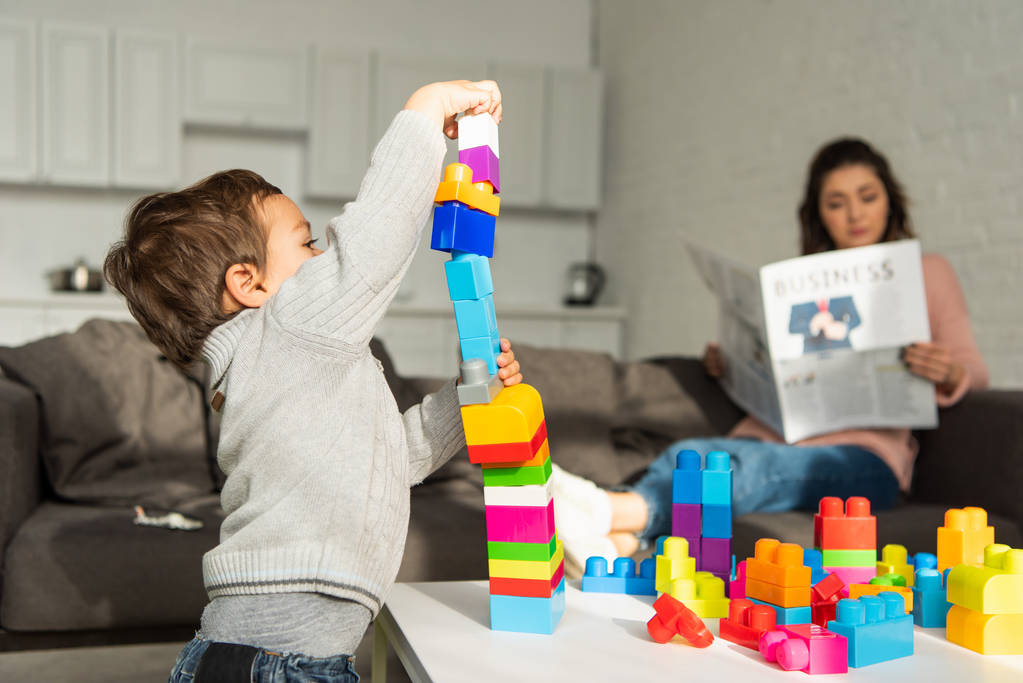
Ah, toddlerhood! A time of boundless energy, insatiable curiosity, and, of course, a rapidly growing toy collection. As parents, caregivers, or even gift-givers, navigating the world of toddler toys can feel like a delightful minefield. You want to spark joy, foster development, and keep those little hands busy, but where do you begin? This guide is designed to help you make informed and thoughtful toy-buying decisions for the toddlers in your life. We’ll dive deep into the crucial factors to consider, ensuring you choose toys that are not only fun but also safe, engaging, and beneficial for their precious developmental years.
1. Safety First: The Non-Negotiable Foundation
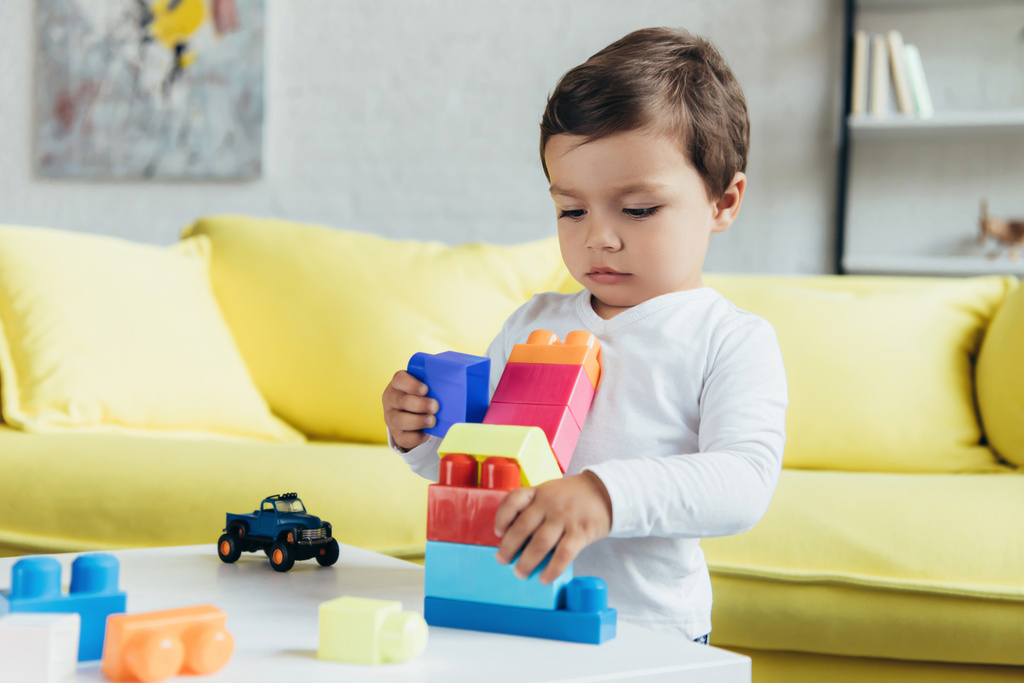
This is, without a doubt, the most critical aspect of choosing toddler toys. Their exploration of the world often involves putting things in their mouths, banging them together, and generally interacting with them in ways that might not be immediately obvious.
- Age Appropriateness: Always, always check the age recommendations on the toy’s packaging. These aren’t just suggestions; they’re based on potential choking hazards, the complexity of the toy, and the developmental skills required to play with it safely and effectively. A toy designed for older children might have small parts that are a serious choking risk for toddlers.
- Material Matters: Look for toys made from non-toxic, durable materials. Plastics should be BPA-free. Wood toys should have a smooth, splinter-free finish and non-toxic paint if painted. Avoid toys with easily peelable paint.
- Small Parts Alert (Choking Hazards): Toddlers have a tendency to explore with their mouths. Any toy with parts that can fit inside a standard toilet paper roll tube is a potential choking hazard and should be avoided for children under three. This includes marbles, small balls, batteries, and any tiny pieces that might break off.
- Sharp Edges and Points: Inspect toys for any sharp edges, points, or small wires that could cause injury.
- Cord/String Length: Be mindful of any strings or cords attached to toys. Long cords can pose a strangulation risk. Regulations often limit the length of cords on baby and toddler toys.
- Battery Compartments: Ensure battery compartments are secured with screws, making them difficult for toddlers to open and access the batteries, which can be highly toxic if swallowed.
- Reputable Brands and Certifications: Opt for toys from well-known, reputable brands that adhere to safety standards. Look for certifications like ASTM (American Society for Testing and Materials) or CE (Conformité Européenne/European Conformity), which indicate that the toy meets safety requirements.
2. Developmental Benefits: More Than Just Fun and Games
The magic of toddlerhood is in how quickly they learn and grow. Toddler toys can be powerful tools to support this incredible journey. When selecting toys, think about what skills the toy can help foster.
- Fine Motor Skills: These involve the small muscles in the hands and fingers. Toys that encourage grasping, pinching, stacking, and manipulating objects are excellent.
- Examples: Stacking rings, chunky puzzles, large building blocks, lacing beads (large ones for toddlers), play-doh with safe tools.
- Gross Motor Skills: These involve the larger muscles of the body. Toys that encourage movement, balance, and coordination are vital for physical development.
- Examples: Ride-on toys, push cars, small slides, soft play shapes, balls for throwing and kicking.
- Cognitive Development: This encompasses problem-solving, critical thinking, memory, and understanding cause and effect.
- Examples: Shape sorters, simple puzzles, cause-and-effect toys (e.g., buttons that make sounds), nesting cups, interactive books.
- Language and Communication: Toys that encourage interaction and imaginative play can boost language skills.
- Examples: Play phones, dolls and action figures for pretend play, books, puppets, animal figures.
- Sensory Exploration: Toddlers learn through their senses. Toys that offer different textures, sounds, and visual stimuli are incredibly engaging.
- Examples: Soft plush toys, textured balls, musical instruments (simple ones), water play toys, sand toys.
- Creativity and Imagination: Toys that allow for open-ended play encourage children to invent their own games and stories.
- Examples: Building blocks, art supplies (crayons, washable paint, large paper), dress-up clothes, play kitchens and food, dolls, cars.
3. Durability and Longevity: Investing in Play That Lasts
Toddlers can be tough on their toys! Choosing durable toddler toy options means fewer broken toys, less waste, and toys that can be enjoyed for a longer period, potentially even passed down.
- Material Quality: Sturdy plastic, solid wood, and robust fabric are good indicators of durability.
- Construction: Check for well-assembled toys with no loose parts or weak joints.
- Versatility: Toys that can be used in multiple ways or for different types of play will have a longer lifespan in terms of engagement. A simple set of wooden blocks, for instance, can be used for stacking, building, pretend play, and more, growing with the child’s imagination.
- Ease of Cleaning: Toddlers are messy! Toys that are easy to wipe down or wash are a practical consideration for parents.
4. The “Wow” Factor vs. The “Sustained Engagement” Factor
It’s easy to get caught up in the flashing lights and loud noises of highly commercialized toys designed for immediate, but often fleeting, excitement. While these might grab a toddler’s attention for a moment, they often lack the depth for sustained play.
- Open-Ended Toys: These are the true champions of long-term engagement. They don’t have a single “right” way to be played with. Think blocks, play kitchen items, art supplies, and dolls. They allow the child’s imagination to lead the way, fostering creativity and problem-solving.
- Toys with Limited Functions: Toys that do too much on their own can hinder a child’s active participation. If a toy sings, talks, and moves all by itself, there’s less for the child to do. Opt for toys that require the child’s input to create the magic.
- Balance is Key: It’s okay to have a few novelty toys that bring a burst of fun. However, a good toy collection for toddlers should lean heavily towards items that encourage active, imaginative, and exploratory play, which ultimately provides more lasting satisfaction and developmental benefit.
5. The Space Factor: Where Will All These Treasures Go?
Let’s be honest, toddlers seem to accumulate toys at an alarming rate. Before you buy toddler toys, consider the space you have available for toy storage and play.
- Size and Storage: Is the toy excessively large? Does it come with its own storage solution, or will it require a dedicated bin?
- Decluttering Strategy: Think about your existing toy collection. Can this new toy replace an older one that’s no longer being used, or will it just add to the clutter? Regularly rotating toys can also help manage space and keep play fresh.
- Play Area: Does the toy encourage play that can be contained, or will it spread toys all over the house?
6. Your Toddler’s Individual Interests and Personality
While general developmental benefits are important, don’t forget to consider your specific toddler!
- What Captivates Them? Does your toddler love cars and trucks? Are they fascinated by animals? Do they enjoy mimicking what adults do? Tailoring toys to their current interests can significantly increase their engagement and enjoyment.
- Temperament: A quiet, focused child might enjoy puzzles and building, while a more boisterous child might gravitate towards active play toys.
- Observe and Listen: Pay attention to what your toddler gravitates towards at the park, at friends’ houses, or even in books. This is a treasure trove of information for your toy-buying decisions.
7. Budget Considerations: Smart Shopping for Little Ones
Toddler toys can be pricey, and it’s easy to overspend. Here are some tips for smart toy shopping:
- Prioritize Quality Over Quantity: A few high-quality, versatile toys are often a better investment than a multitude of cheap, poorly made ones.
- Look for Sales and Discounts: Keep an eye out for holiday sales, clearance events, and online deals.
- Consider Secondhand: Gently used toys from reputable sources can be a fantastic way to save money and be more eco-friendly. Just ensure they meet current safety standards (no recalled items, no broken parts, clean materials).
- DIY Toys: Many simple, engaging toys can be made at home with common materials.
- Ask for Gifting Advice: If friends and family ask for gift ideas, you can subtly guide them towards toys that align with your considerations.
Conclusion: Choosing Toys That Spark Joy and Growth
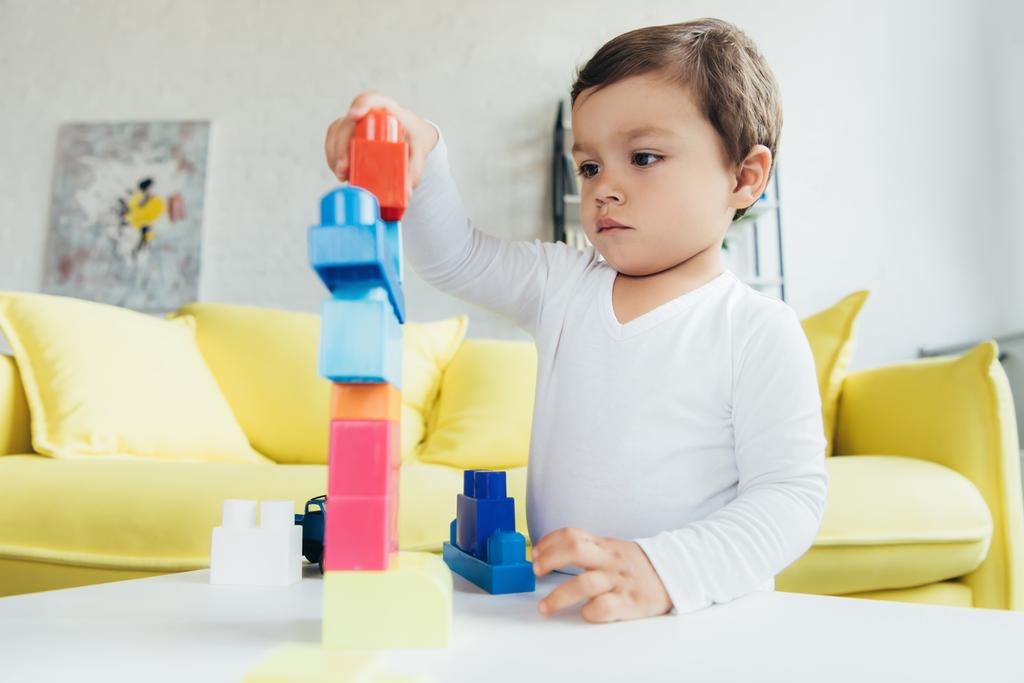
Buying toddler toys is a wonderful opportunity to support their development and bring smiles to their faces. By keeping safety, developmental benefits, durability, engagement potential, space, individual interests, and budget in mind, you can make thoughtful choices that contribute positively to your toddler’s learning and playtime.
Remember, the “best” toddler toys is often the one that sparks curiosity, encourages creativity, and allows for imaginative exploration. Happy toy hunting!
 Alan Harris
  Kate M
  Carly
Carly
Thanks for the informative article. My kids are almost out of the toddler phase but i know I considered my toy purchases for them very carefully and safety was one of my considerations.
Great read. It really is important to make sure you’re buying an age appropriate toy for your little one. And yes, watch out for pointy edges.
These are good tips for buying toys for our grand children, thanks.
Thank you for the tips. These are very helpful as I have a toddler and small infant and safety is definitely the most important factor.
Lots of great tips,thanks for sharing !
Thanks those are good to consider before buying toys