
5 min read
815 words
The quest for a good night’s sleep is a universal pilgrimage for new parents. After surviving the newborn haze, many find themselves grappling with the next frontier: establishing safe and consistent sleep habits. Enter the humble yet mighty baby sleep sack – a modern parenting essential that has revolutionized how we think about infant sleep. Far more than just a wearable blanket, sleep sacks are celebrated for their role in promoting safety, comfort, and, ultimately, precious restorative slumber for both baby and parent. But with a dizzying array of options, knowing which one to choose can feel like another parenting puzzle. Fear not, weary parents, for we’re here to guide you through the wonderful world of baby sleep sacks.
Beyond the Blanket: Why Sleep Sacks Are a Game Changer
For generations, loose blankets were the go-to for keeping babies warm during sleep. However, with growing awareness around Sudden Infant Death Syndrome (SIDS), safety guidelines shifted dramatically. The Canadian Academy of Pediatrics now strongly recommends against any loose bedding in a baby’s sleep space, including blankets, pillows, and bumper pads. This is where the sleep sack truly shines as a hero.
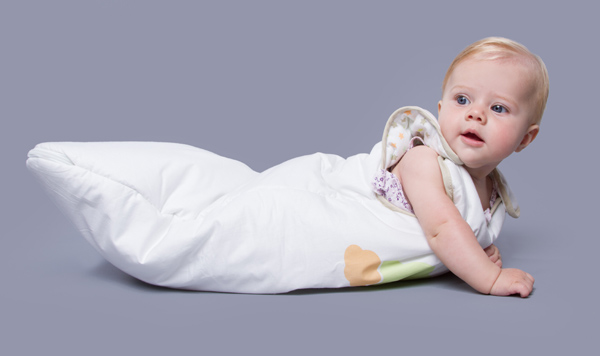
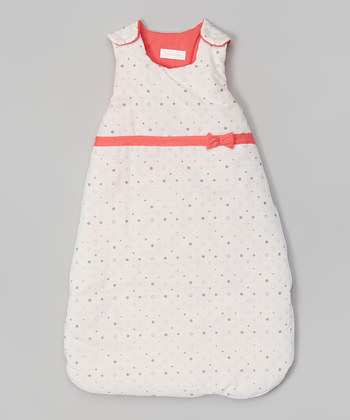
Fundamentally, a sleep sack is a bag-like garment designed to be worn over a baby’s pajamas, providing warmth without the risks associated with loose blankets. It ensures that your little one stays snugly covered throughout the night, regardless of how much they wriggle and roll, without the danger of covering their face. This peace of mind alone makes them invaluable.
Beyond safety, baby sleep sacks offer a multitude of benefits. They help regulate your baby’s body temperature, preventing both overheating and chilling – critical for comfortable sleep. Many parents also find that incorporating a sleep sack into their nightly routine acts as a powerful sleep cue. The moment the sleep sack goes on, baby begins to associate it with bedtime, signaling that it’s time to wind down. This consistency can be a game-changer for establishing a predictable sleep schedule. Furthermore, for babies transitioning out of swaddling, a sleep sack provides a familiar sense of security while allowing their arms to be free, supporting their natural developmental stages. They offer ample room for hip-healthy leg movement, a crucial consideration for developing babies. In essence, sleep sacks aren’t just an item of clothing; they’re a cornerstone of safe, comfortable, and independent infant sleep.
Decoding the TOG: Choosing the Right Warmth for Your Little One
Once you’re convinced of the “why,” the “how” takes center stage. One of the most important – and often confusing – aspects of choosing a baby sleep sack is understanding its Thermal Overall Grade, or TOG rating. This metric is your key to ensuring your baby is dressed appropriately for their sleep environment, preventing both uncomfortable overheating and chilly wake-ups.
What is TOG? TOG is a standardized measurement of a fabric’s thermal insulation. The higher the TOG rating, the warmer the sleep sack. It’s designed to help parents select the correct sleepwear based on the room temperature, ensuring optimal comfort and safety without the need for additional blankets. Think of it like a duvet rating – a higher number means more insulation.
Matching TOG to Temperature:
- 0.5 TOG (Very Light): Ideal for warm summer nights, hot climates, or a heated room (around 24-27°C / 75-81°F). These are often made from single-layer cotton or muslin. Your baby might only need a short-sleeved bodysuit underneath.
- 1.0 TOG (Light): Perfect for year-round moderate room temperatures (around 21-23°C / 69-74°F). A versatile choice, these are usually made from light cotton. Depending on the exact room temperature, your baby might wear a long-sleeved bodysuit or light pajamas underneath.
- 2.5 TOG (Medium Warmth): Best suited for cooler room temperatures (around 16-20°C / 61-68°F), typical for autumn and winter. These often have light padding or multiple layers. Layer with a long-sleeved bodysuit and pajamas.
- 3.5 TOG (Very Warm): Designed for very cold rooms (below 16°C / 61°F). These are heavily padded. Layer with a long-sleeved bodysuit and warm pajamas.
Crucial Considerations: Always remember that these are guidelines. Factors like your home’s insulation, your baby’s individual body temperature, and the pajamas they wear underneath all contribute. The goal is for your baby to be comfortably warm, not hot. A good rule of thumb is to check your baby’s temperature by feeling their chest or the back of their neck – it should feel warm and dry, not sweaty or cold. Hands and feet can often feel cool, which is normal.
Beyond TOG, look for other features like two-way zippers for easy diaper changes, soft and breathable fabrics (like cotton, bamboo, or merino wool), and a design that allows for ample hip and leg movement. Navigating the world of sleep sacks might seem complex initially, but by understanding the critical role they play in safe infant sleep and mastering the TOG rating, you’ll be well-equipped to provide your little one with the comfortable, peaceful sleep they (and you!) deserve.
 Emma Lee Scott
  Valerie Cox
  Lisa
Lisa