How To Take Better Care Of Your Dog
5 min read
834 words
Owning a dog is a profound commitment, offering unparalleled joy and companionship. Yet, moving beyond basic survival to ensuring a truly thriving life for your canine companion requires a comprehensive, proactive strategy. Taking better care of your dog is a holistic endeavor that balances physical health, mental stimulation, emotional security, and preventative action.
This detailed guide outlines the core pillars necessary to elevate your dog’s quality of life, transforming responsible ownership into exceptional custodianship.
The Foundation: Optimal Nutrition and Weight Management

The most immediate and impactful way to care for your dog is through their diet. Better care starts with prioritizing quality over convenience.
Selecting Superior Fuel
A high-quality, species-appropriate diet should be the standard. Look beyond flashy marketing and scrutinize ingredient lists, focusing on identifiable protein sources. While current research continues to evolve, the consensus remains that a dog’s diet must be nutritionally complete and balanced according to AAFCO (Association of American Feed Control Officials) standards for their specific age and life stage.
Mastering Portion Control
Perhaps the single largest preventable health crisis in the canine world is obesity. Overfeeding, even minimally, dramatically shortens a dog’s lifespan and exacerbates issues like arthritis, diabetes, and cardiovascular strain.
- The Rib Check: You should be able to easily feel, but not see, your dog’s ribs. They should also possess an observable “waist” tuck when viewed from above.
- Treat Calculus: Factor all treats, table scraps, and training rewards into their total daily caloric intake. If you use treats frequently, reduce the size of their main meals accordingly.
Consistency in feeding times also provides psychological comfort, reinforcing a predictable and stable daily routine.
2. Physical and Mental Enrichment

A well-cared-for dog requires stimulation that engages both the body and the brain. Neglecting mental exercise is as detrimental as skipping walks, often leading to boredom and destructive behavior.
Thoughtful Exercise
Daily movement should be structured, not just a necessary bathroom break. Exercise must be tailored to the dog’s breed, age, and health status (a senior Dachshund has vastly different needs than a young Border Collie).
- Vary the Routine: Replace the mundane neighborhood loop with trips to dog-friendly hiking trails or secure off-leash areas (if appropriate for your dog). New sights and smells provide crucial sensory input.
- High-Intensity Play: Incorporate bursts of high-intensity activity, such as fetch, swimming, or agility drills, to burn energy and satisfy natural prey drives.
Strategic Mental Engagement
The best exercise for high-energy dogs often involves their minds. Mental stimulation tires a dog faster and more effectively than simple physical exertion.
- Puzzle Toys and Feeders: Replace standard food bowls with slow feeders, snuffle mats, or interactive puzzle toys that require the dog to work for their meal.
- The “Sniffari”: Allow your dog to take deliberate ‘sniff walks,’ where they dictate the pace and focus on scent exploration. Olfactory engagement is immensely satisfying and calming for dogs.
- Short Training Sessions: Dedicate 5-10 minutes daily to practicing known commands or learning new tricks. This strengthens your bond, builds confidence, and exercises the brain.
3. Proactive Veterinary Care and Prevention
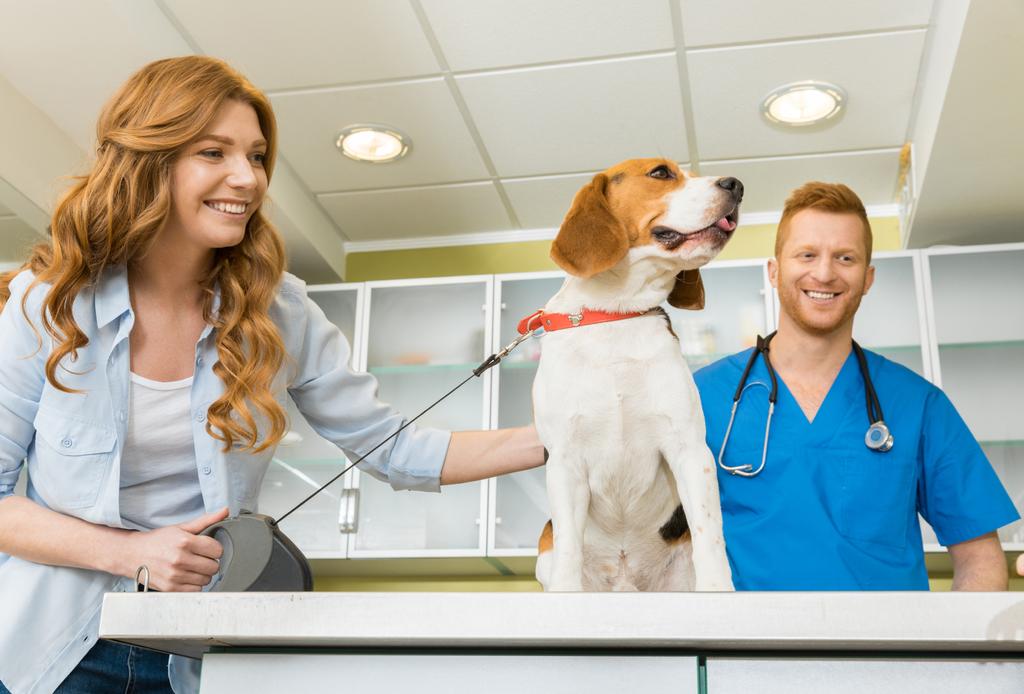
Exceptional care moves beyond reacting to illness; it centers on prevention and early detection.
Biannual Wellness Checks
While annual check-ups are standard, many veterinarians now recommend biannual (twice-yearly) visits, particularly for senior dogs (over age 7) and giant breeds. Dogs age significantly faster than humans, and early detection of conditions like kidney failure or joint disease is crucial for effective treatment.
Dental Health: The Silent Killer
Periodontal disease is the most common health condition affecting adult dogs, often leading to chronic pain, tooth loss, and systemic issues impacting the heart and kidneys. Better care means taking dental health seriously:
- Daily Brushing: Establish a routine of daily or near-daily tooth brushing with veterinary-approved toothpaste.
- Professional Cleanings: Schedule professional cleanings under anesthesia as recommended by your vet, based on the severity of buildup.
Parasite Control
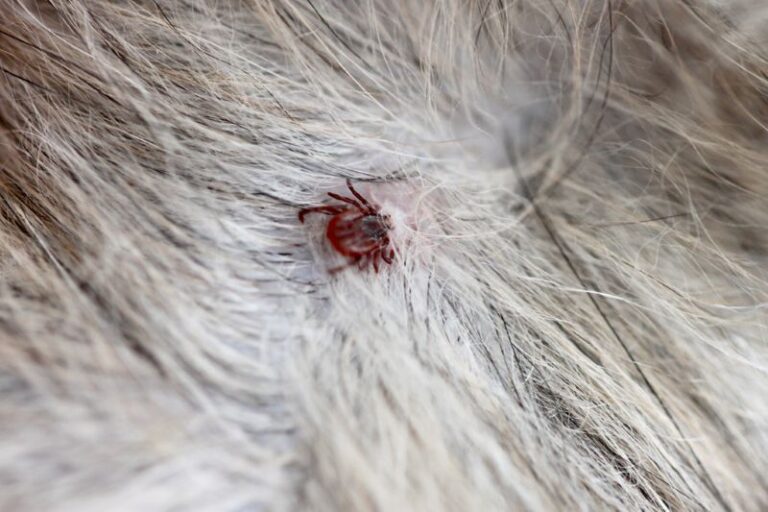
Strict adherence to veterinarian-prescribed preventatives for fleas, ticks, heartworms, and intestinal parasites is non-negotiable, even in colder climates. These illnesses can be debilitating or fatal, making consistent prevention essential.
4. Emotional Security and Training

A dog’s emotional well-being relies on consistency, clear communication, and a strong, trusting bond with their owner.
The Power of Positive Reinforcement
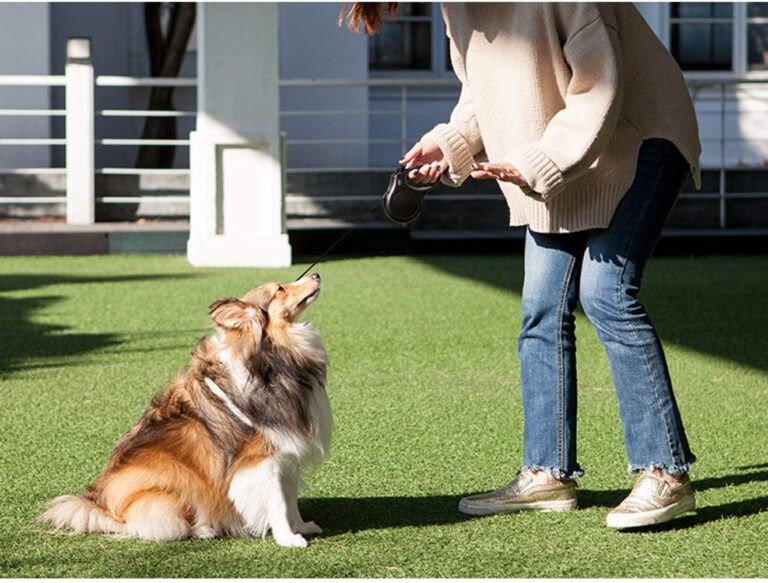
Effective training is a language of trust. Use positive reinforcement methods to teach acceptable behaviors. This builds confidence and minimizes fear or anxiety often associated with punitive techniques. Consistency is key; every interaction is a training opportunity.
Establishing Healthy Boundaries
Better care involves setting clear, predictable rules. Dogs thrive on routine and predictability. Defined boundaries (where they can and cannot sleep, when mealtimes occur, etc.) reduce anxiety because the dog understands their role and what is expected of them in the pack structure. This predictability creates a safe, stable environment.
Taking better care of your dog is a continuous journey of learning and adaptation. By focusing on superior nutrition, engaging their minds, prioritizing proactive veterinary interventions, and fostering a strong emotional connection, you invest in a partnership that will be long, healthy, and deeply rewarding for both of you.