
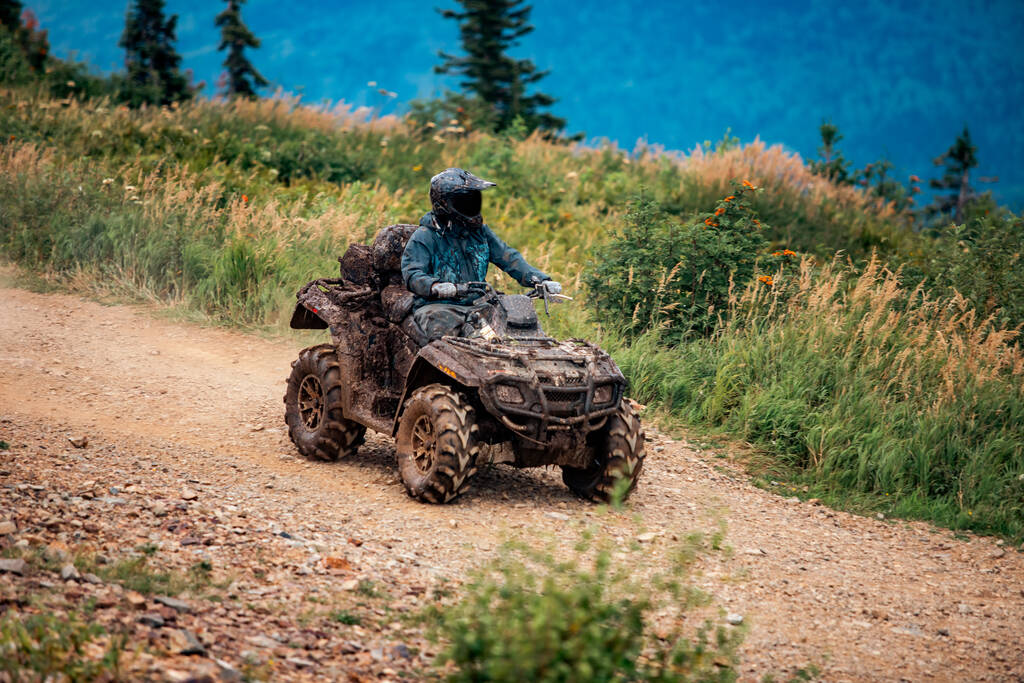
ATV Accidents- Are You Liable For Damages?
5 min read
993 words
ATVs play a unique role in both rural and recreational life across Ontario. From trail riding and hunting trips to property maintenance and cottage travel, these vehicles are often seen as practical and fun. But with that versatility comes responsibility. Many riders underestimate the physical demands of operating an ATV and the speed at which situations can become dangerous. Understanding both the benefits and the risks is essential for anyone who owns, operates, or allows others to use these vehicles.
ATVs, commonly known as “quads,” have gained significant popularity in Ontario, Canada, serving both as a means of transportation and a source of recreation. However, it’s important to recognize the risks associated with these powerful machines. Inexperienced or reckless driving can lead to serious injuries for both the operator and any passengers. This highlights the critical importance of adhering to safety guidelines and using ATVs responsibly. Unfortunately, ATV accidents are more frequent than many realize. Statistics Canada reports approximately 100 fatalities from ATV accidents each year. These incidents, whether fatal or not, can have a lasting impact on individuals, leading to trauma or significant life changes.
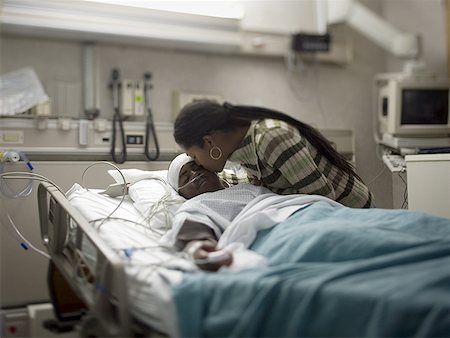
Beyond the immediate physical harm, ATV accidents can also result in emotional distress, financial strain, and long recovery periods. Families may be faced with medical expenses, lost income, and the need for long-term care or rehabilitation. These broader consequences are part of why safety awareness is so strongly emphasized by public safety organizations.
From 2015 to 2019, Ontario recorded 1,524 ATV-related injuries and 24 fatalities, according to the Ontario Ministry of Transportation.
These numbers demonstrate that ATV incidents are not rare, and they often occur close to home rather than in extreme riding environments. Many accidents happen on familiar trails or private property where riders may feel overly confident.
The summer months, especially July and August, see the highest number of ATV accidents in Ontario.
Warmer weather brings more riders onto trails and rural roads, increasing the likelihood of collisions and operator error. Longer daylight hours can also lead to extended riding sessions, which may result in fatigue — another common factor in crashes.
Common causes of these accidents include rollovers on inclines, operator mistakes such as speeding or poor steering, and collisions with natural obstacles like trees and rocks.
Other contributing factors can include carrying passengers on single-rider ATVs, attempting stunts, or operating unfamiliar equipment. Even experienced riders can be caught off guard by sudden terrain changes or hidden hazards.
Avoidance of ATV Incidents:
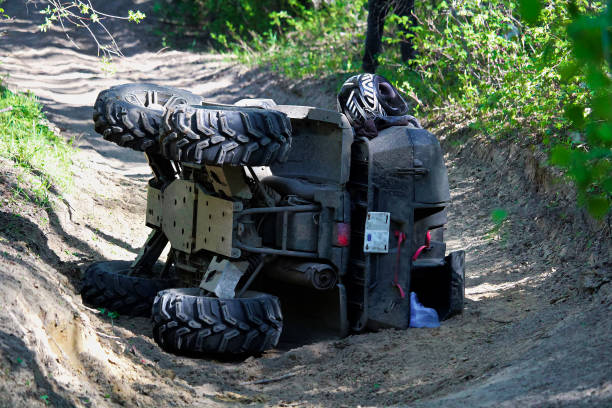
Taking a proactive approach to safety can significantly reduce the risk of injury. Preparation, proper gear, and realistic decision-making all play an important role in safe ATV operation.
- Enroll in an ATV training program, like the one offered by the Canadian ATV Safety Institute.
- Ensure that the ATV is appropriately sized for the rider(s).
- Always make sure you are in charge – never go beyond what you can handle or do.
- Adjust your riding behavior based on the specific trail, road, and weather conditions at hand.
- Abstain from driving an ATV if under the influence of drugs or alcohol.
- Riders must always wear safety gear like helmets, eye protection, gloves, and clothing.
- Regular maintenance of the ATV is crucial for optimal performance. Conduct a thorough inspection of your ATV prior to embarking on each ride.
It is also wise to let someone know your riding plans before heading out, especially when traveling in remote areas. Carrying a communication device, basic first aid supplies, and emergency tools can make a major difference if something goes wrong.
To access additional details regarding ATV safety or legal obligations, please refer to Ontario.ca/atv and e-laws.gov.on.ca.
Legal Implications Resulting from ATV Accidents
If someone gets hurt on my ATV, am I liable?
Questions about liability often arise after an accident, especially when the injured person is a friend, family member, or guest. Many ATV owners are unaware that they can still be held legally responsible even if they did not intend for anyone to get hurt.
Earlier this year, the Ontario Court of Appeal made a significant ruling that held a man and his adult son from Picton responsible for the serious brain injury sustained by a young woman in an ATV accident. This young woman, who had never operated an ATV before and lacked a driver’s license, tragically crashed the vehicle into a tree, leading to a traumatic brain injury.
This case underscores the importance of responsible driving, as highlighted by the court’s decision. It also emphasizes the legal ramifications of allowing inexperienced individuals to operate vehicles, even if the owner gives their consent.
Courts may consider factors such as supervision, knowledge of the rider’s skill level, and whether proper safety precautions were taken. Lending an ATV to someone who lacks training or appears impaired can be viewed as negligence.
ATV owners and those who grant access to these vehicles have a crucial responsibility to ensure the safety of those who are unfamiliar with operating them, particularly individuals with little or no training.
In some situations, insurance coverage may also be affected if an ATV is operated in an unsafe or unauthorized manner. Understanding both your legal duties and your insurance policy terms is an important part of responsible ownership.
In conclusion, if you are aware or should be aware that someone you permit to use your ATV is underage, inexperienced, or impaired, you can be held liable for any resulting accidents.
Filing a Lawsuit
Ontario requires filing personal injury lawsuits within two years. An adept personal injury lawyer can help ATV accident victims understand rights and seek compensation.
In addition to meeting deadlines, injured individuals may need to gather medical records, witness statements, and accident reports to support their claim. Compensation can include medical expenses, lost wages, pain and suffering, and future care costs depending on the severity of the injuries.
Seeking legal advice early can help ensure important evidence is preserved and that victims understand the full scope of their options during recovery.





ATV accidents can lead to complex legal issues regarding liability. Engaging with a knowledgeable attorney who specializes in personal injury law can provide clarity on your rights and responsibilities in these situations.
They can be complex, but depending on the circumstances like age, were they minors or adults. Or did they have any training before hand- like how to handle and drive an ATV are all factors. Our daughter one her legal case because of those factors even knowing she was 23 at the time of her ATV accident.