The Ultimate Guide to School Playground Safety
5 min read
852 words
Playgrounds are more than just a place for kids to burn off energy. They are vibrant hubs of social learning, physical development, and imaginative play. From the thrill of a high swing to the challenge of a climbing wall, these spaces are crucial for a child’s growth. But with all that fun comes a responsibility to ensure safety is the top priority. For parents, teachers, and school administrators, creating a secure playground environment is a non-negotiable duty. Preventing accidents—from minor scrapes to serious injuries—requires a proactive and collaborative approach. This comprehensive guide will walk you through the essential tips and guidelines for maintaining a safe and enjoyable school playground for every child.
1. The Cornerstone of Safety: Active Adult Supervision
You can have the best equipment in the world, but nothing replaces the value of attentive adult supervision. It is the single most effective way to prevent injuries on the playground.
Active supervision is more than just being present; it involves constantly scanning the area, anticipating potential problems, and intervening when necessary. Teachers and playground monitors should be strategically positioned to see all children and equipment. They can help prevent accidents by stopping rough play, redirecting unsafe behavior, and ensuring equipment isn’t overcrowded. A well-supervised playground is the first line of defense against preventable accidents.
2. Proactive Prevention: Regular Maintenance Checks
Playground equipment endures a lot of wear and tear from constant use and exposure to the elements. What was safe last month might not be safe today. That’s why establishing a routine for regular inspections and maintenance is vital.
Create a checklist to perform daily, weekly, and monthly inspections:
- Look for hazards: Check for sharp edges, splintering wood, rust, or broken plastic components.
- Check hardware: Ensure all bolts, nuts, and screws are tight and secure. Look for any protruding hardware that could snag clothing.
- Inspect moving parts: Swings, chains, and other moving components should be checked for wear and tear.
- Document everything: Keep a log of all inspections and repairs. This not only ensures accountability but also helps track the lifespan of your equipment.
3. Creating Safe Play Zones for All Ages
A one-size-fits-all approach doesn’t work for playgrounds. The physical abilities and developmental stages of a five-year-old are vastly different from those of a ten-year-old. Designing separate play areas for different age groups is a critical step in preventing collisions and injuries.
- Designate Age-Appropriate Areas: Create a separate, fenced-off area for preschoolers and kindergarteners with smaller-scale equipment.
- Separate Activity Types: Ensure high-traffic areas like swings and slide exits are clear of other activities. Keep climbing structures separate from open running spaces to avoid collisions. Clear signage can help guide children to the appropriate zones.
4. The Unsung Hero: Proper Playground Surfacing
Children will inevitably fall while playing. The severity of an injury is often determined by the surface they land on. Hard surfaces like concrete, asphalt, or packed dirt are unacceptable for modern playgrounds.
Protective surfacing is essential to cushion falls and absorb impact. Excellent options include:
- Wood chips or mulch
- Sand or pea gravel
- Engineered wood fiber (EWF)
- Shredded or recycled rubber mulch
- Poured-in-place rubber or rubber tiles
5. Setting the Stage for Safety: Clear Rules and Guidelines
Rules provide structure and help children understand safe behavior. Establish a clear set of playground guidelines and communicate them regularly in the classroom and with posted signs.
Essential Playground Rules:
- Use equipment properly—no climbing up slides or standing on swings.
- One person at a time on the slide.
- Always slide feet-first.
- Take turns and share the equipment.
- Be respectful of others—no pushing, shoving, or crowding.
- Keep a safe distance from moving swings.
Equipment-Specific Safety Tips
Beyond general rules, certain pieces of equipment require specific safety protocols.
Swings
Swings are a playground classic, but they are also associated with a high number of injuries. Teach children to sit in the center of the swing, hold on with both hands, and stop the swing completely before getting off. Remind them never to walk or run in front of or behind someone who is swinging.
Slides
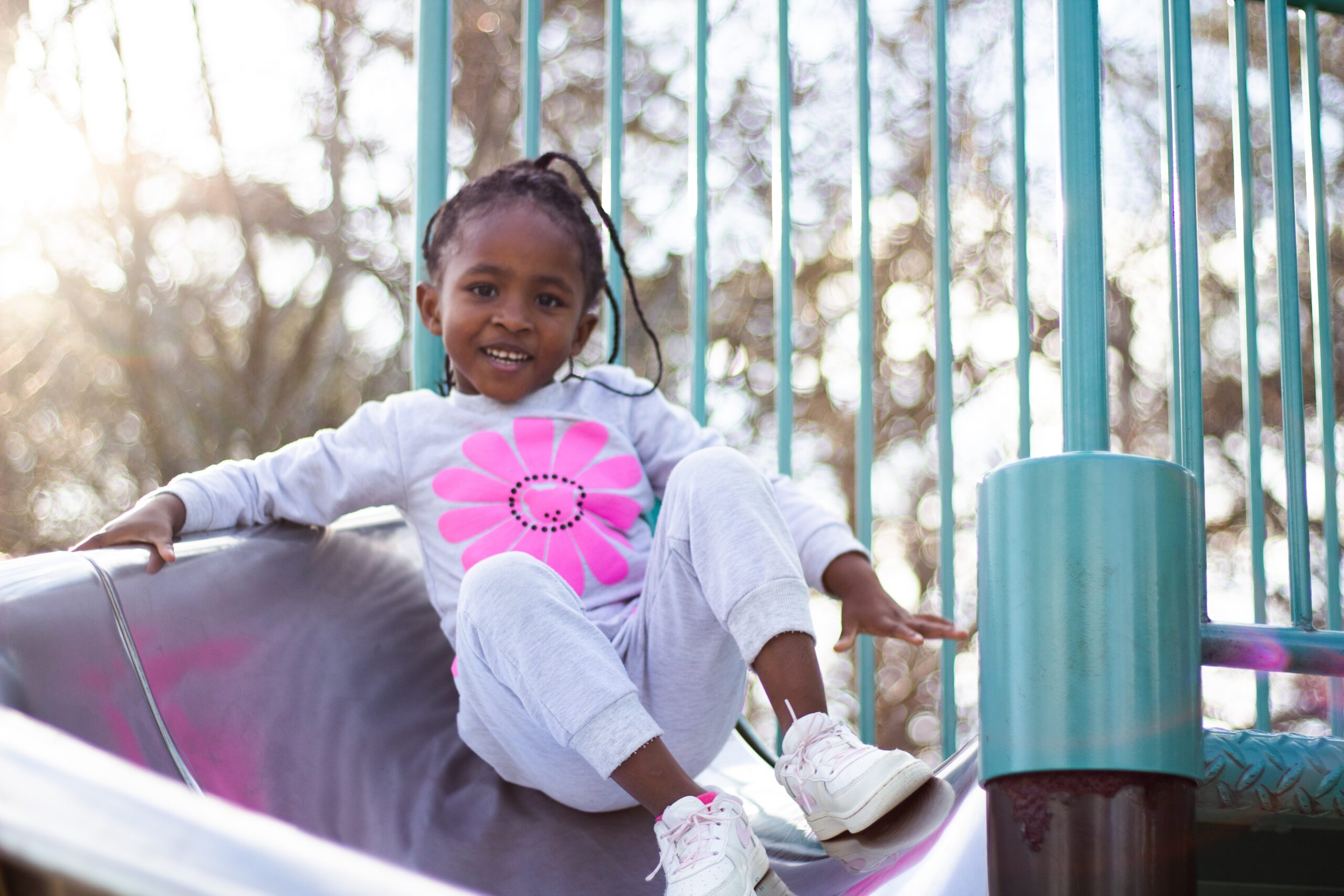
Before going down a slide, kids should check to ensure the exit is clear. The rule should always be to slide down one at a time, sitting up and feet-first. Regularly inspect the slide’s surface for cracks or sharp edges and ensure the handrails are secure.
Climbing Structures
Climbing helps develop strength and coordination, but it requires close supervision. Make sure the structure is appropriate for the age of the children using it. Teach them to use both hands and to be aware of other climbers. Check regularly for loose rungs, bolts, or deteriorating parts that could fail under a child’s weight.
Conclusion: A Shared Responsibility for Safe Play
Ultimately, school playground safety is a collective effort. When parents, teachers, and administrators work together, they can create an environment where children can thrive, learn, and play without unnecessary risk.
By prioritizing active supervision, conducting diligent maintenance, designing thoughtful play zones, installing proper surfacing, and establishing clear rules, we can significantly reduce playground injuries. Let’s commit to making every school playground a secure, joyful, and enriching space for our children.