Tips for Moving Your Family Vehicles Hassle-Free
7 min read
1253 words
Moving is a huge undertaking, often topping the list of life’s most stressful events. Amidst packing boxes, changing addresses, and settling into a new routine, one crucial logistical challenge often gets overlooked: how to safely and efficiently transport your family vehicles. Whether you’re moving across town or across the country, ensuring your car, truck, or SUV arrives at your new home intact requires careful consideration and planning. But don’t fret – with the right approach, moving your vehicles can be a smooth, stress-free part of your journey.
This comprehensive guide will walk you through everything you need to know, from initial planning to preparing your cars and choosing the best transport method for your family’s needs.
Planning is Paramount: Laying the Groundwork for a Smooth Ride
Before you even think about packing the first moving box, dedicate dedicated time to developing a solid strategy for your vehicle transport. This proactive step can save you significant headaches, time, and money down the line.
- Assess Your Vehicle Needs: Start by taking stock of your fleet. How many vehicles do you own? Which ones are absolutely essential for immediate use upon arrival at your new home? Consider not just the practicalities, but also sentimental value or the unique requirements of a classic or luxury car. This assessment will help you prioritize which vehicles to drive, which to ship, and possibly even if it’s time to part ways with an older model. Think about your family’s daily routines – school drop-offs, commutes, grocery runs – and ensure you have the necessary transport from day one.
- Choose Your Transport Method: This is a pivotal decision. Your primary options are driving the vehicles yourself, hiring a professional auto transport company, or a combination of both.
- Driving: Ideal for shorter distances, if you enjoy road trips, or if you need immediate access to your vehicle. However, it incurs costs for fuel, food, lodging, and adds wear and tear to your car. It also consumes valuable time that could be spent on other moving tasks.
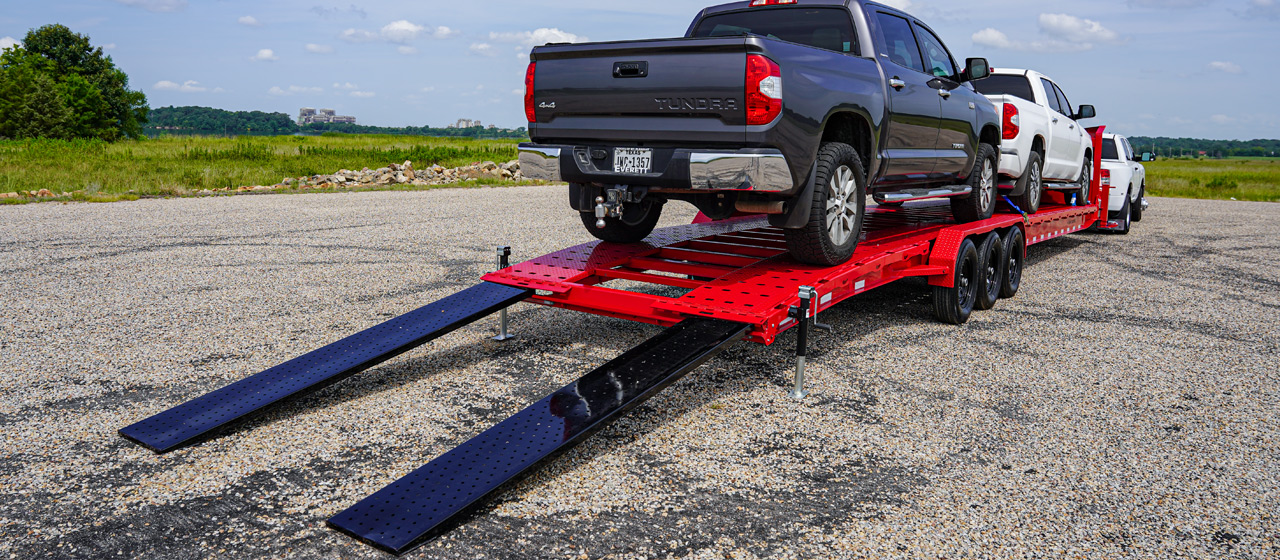
- Shipping: Perfect for long-distance moves, multiple vehicles, or if you’re short on time. Professional shippers handle the logistics, reducing your stress. You’ll need to choose between open carriers (most common and cost-effective) and enclosed carriers (offering more protection, ideal for luxury or classic cars). Factors like distance, your budget, time constraints, and the condition of your vehicles will heavily influence this choice.
- Book Well in Advance: Auto transport companies, especially reputable ones, often have busy periods, particularly during peak moving seasons (summer, holidays). Booking your transport several weeks or even months ahead ensures you secure a spot, potentially lock in better pricing, and gives you ample time to prepare. If you opt to drive, map out your entire route, including potential rest stops, overnight accommodations, and any scenic detours you might want to take. Early booking for hotels can also secure better rates.
Preparing Your Vehicles for the Move: Essential Steps for Safety and Security
Once you’ve decided on your transport method, preparing your vehicles properly is critical for a safe, secure, and successful move. This applies whether you’re behind the wheel or handing over the keys to a professional.
- Schedule a Thorough Maintenance Check: Before any long journey or transport, a complete vehicle inspection is non-negotiable. Take your car to a trusted mechanic to address any necessary repairs, oil changes, or fluid top-offs (coolant, brake fluid, power steering fluid). Ensure your tires are properly inflated and in good condition (including the spare!), and check brakes, lights, and wipers. If you’re driving, this preventative maintenance can save you from roadside emergencies. If you’re shipping, it ensures your vehicle is ready to roll off the carrier without issues at the destination. Keep records of this maintenance.
- Clean Inside and Out: This step serves multiple purposes. First, remove all personal belongings, valuables, important documents, garage door openers, toll passes, and any loose items that could shift or become projectiles during transit. Leaving anything valuable in a vehicle being shipped is generally not covered by transport insurance. Second, a clean exterior makes it far easier to conduct a thorough pre-move inspection and document any existing damage. This clarity is vital for protecting yourself against potential disputes later.
- Document the Vehicle’s Condition: This is arguably one of the most important steps, especially if you’re using an auto transport company. Take detailed, time-stamped photos and videos of your vehicle from all angles – front, back, sides, roof, wheels, and interior. Pay close attention to any pre-existing dents, scratches, chips, or other damage. This visual evidence provides irrefutable proof of your vehicle’s condition before the move and is invaluable if you need to file a claim for any damage incurred during transport.
Important Considerations: Driving vs. Shipping Specifics
While many preparation steps are universal, each transport method has its own distinct set of considerations.
- Driving Your Vehicles:
- Route Planning: Beyond basic mapping, research potential road closures, construction zones, and weather patterns along your route. Use reliable GPS apps, but also have a physical map as a backup. Plan for regular breaks to prevent driver fatigue.
- Emergency Kit: Pack a comprehensive emergency kit. This should include jumper cables, basic tools, a first-aid kit, flashlight, roadside flares, non-perishable food, water, and extra blankets. Consider a portable phone charger and a spare tire that’s actually in good condition.
- Insurance Review: Contact your auto insurance provider to confirm your coverage for long-distance driving. Ensure your policy is active and covers potential incidents during the move.
- Shipping Your Vehicles:
- Research Companies Thoroughly: Don’t just pick the first company you find. Get multiple quotes, read online reviews (Google, BBB, Yelp), and verify their licensing and insurance (check their DOT number). A reputable company will be transparent about their processes and costs.
- Understand the Contract: Before signing, meticulously review the agreement. It should clearly outline pickup and delivery windows, the exact cost, liability coverage limits, payment terms, and the cancellation policy. Ask about surcharges, such as those for inoperable vehicles or specific delivery locations.
- Communication: Confirm how you’ll communicate with the driver and company during transit. Knowing who to call and how to track your vehicle provides peace of mind.
- Fuel Level: Most transport companies require your fuel tank to be no more than a quarter full for safety reasons.
Beyond the Basics: Insurance and Arrival
- Insurance Matters: Your personal auto insurance typically covers your vehicle while you’re driving it. However, when shipping, while the transport company will have liability insurance, it might not cover certain types of damage or personal items left in the car. Check with both your personal insurer and the transport company about their coverage. Consider purchasing supplemental insurance if you feel the existing coverage isn’t sufficient, particularly for high-value vehicles.
- Upon Arrival:
- Driving: When you finally arrive, take some time to rest before tackling unpacking. Check your vehicle for any new dings or issues.
- Shipping: Upon delivery, conduct an immediate and thorough inspection of your vehicle before the driver leaves. Compare its current condition against your pre-move documentation. Note any new damage on the bill of lading or inspection report, and take photos. Do not sign off until you are completely satisfied.
Moving your family vehicles doesn’t have to be a source of anxiety. By dedicating time to thorough planning, meticulous preparation, and understanding the specifics of your chosen transport method, you can significantly reduce stress and ensure your cherished cars arrive safely at your new home. Remember, a little foresight goes a long way in making your entire moving experience as smooth and hassle-free as possible.