The Ultimate Guide to Residential Solar Power Systems
5 min read
979 words
Are you exploring ways to reduce your monthly expenses, increase your home’s value, and make a positive impact on the environment? If so, you’re in the right place. Installing a solar power system is one of the most effective investments a homeowner can make, offering a powerful combination of financial and environmental benefits.
This comprehensive guide will walk you through everything you need to know about residential solar power, from how it works to whether it’s the right choice for your home.
What Exactly is a Home Solar Power System?
At its core, a solar power system is your personal, home-based power plant. It captures the sun’s abundant energy and converts it into usable electricity for your household. While the technology is advanced, the core components are straightforward:
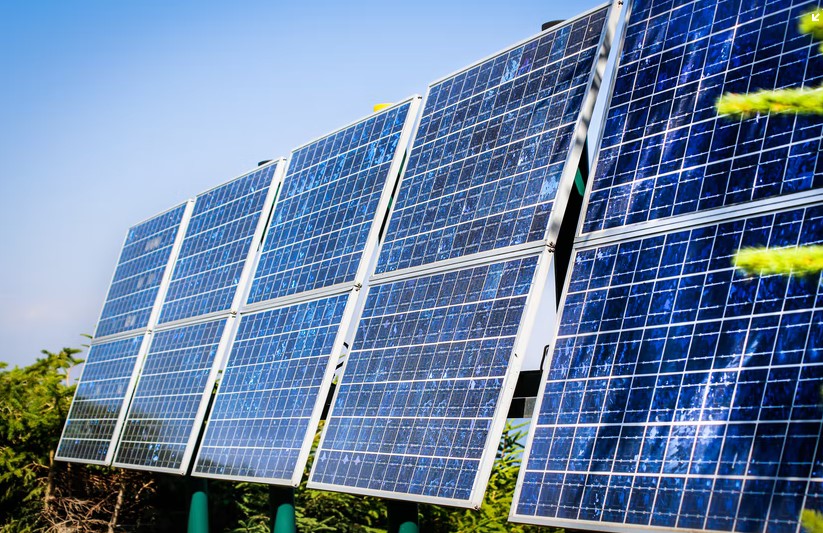
- Solar Panels: These are the most visible part of the system. Made of photovoltaic (PV) cells, they absorb sunlight and convert it into direct current (DC) electricity.
- Inverter: Your home and appliances run on alternating current (AC) electricity. The inverter is the brain of the system, converting the DC electricity from the panels into usable AC power.
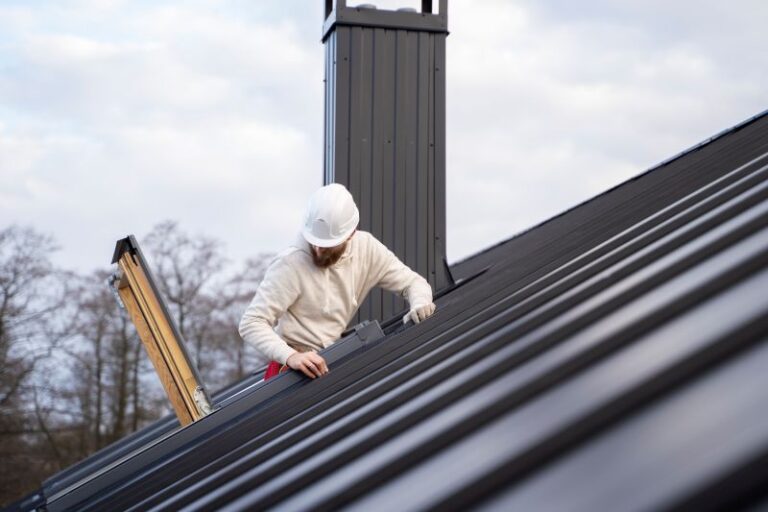
- Racking and Mounting: This is the durable framework that secures the solar panels to your roof, ensuring they are stable and positioned for optimal sun exposure.
- Battery Storage (Optional): A solar battery, like a Tesla Powerwall or Enphase IQ Battery, stores excess energy your panels produce. This stored power can be used at night, during cloudy days, or as a backup during a power outage.
The Compelling Benefits of Going Solar
Why are millions of homeowners making the switch? The advantages are clear and significant.
1. Drastically Reduce or Eliminate Electricity Bills
This is the most popular reason for installing solar. By generating your own power, you significantly reduce your reliance on your utility company. Depending on your system’s size and your energy usage, you could lower your bill by 70-100%. Through programs like net metering, you can even earn credits for the excess energy you send back to the grid.
2. Make a Positive Environmental Impact
Solar power is a clean, renewable, and sustainable energy source. A typical residential solar panel system can eliminate three to four tons of carbon emissions each year—the equivalent of planting over 100 trees. By going solar, you are actively reducing your carbon footprint and contributing to a healthier planet.
3. Achieve Energy Independence
Tired of unpredictable utility rate hikes and power outages? A solar power system puts you in control. With a battery storage system, you can keep your lights on and essential appliances running even when the public grid goes down, providing priceless peace of mind.
4. Increase Your Property Value
A solar power system is a major home upgrade that pays for itself. Studies have consistently shown that homes with solar panels sell faster and for a higher price than comparable homes without them. Buyers see it as a valuable, pre-installed feature that promises lower energy costs for years to come.
Is Solar Power Right for Your Home? Key Factors to Consider
Before you start getting quotes, it’s important to assess if your property is a good candidate for solar.
- Sunlight Exposure: Your roof should receive at least 4-5 hours of direct, unobstructed sunlight per day. A solar professional can perform a “shading analysis” to see if nearby trees or buildings will affect your energy production.
- Roof Suitability: Your roof needs to be in good condition and strong enough to support the panels. The age, material (asphalt shingle, metal, and tile are all usually fine), and angle of your roof are all important factors. Ideally, you want a south-facing roof for maximum sun exposure in the Northern Hemisphere.
- Local Regulations and Incentives: The good news is that there are fantastic financial incentives available. Be sure to look into the federal solar tax credit (which can cover a significant portion of the cost), as well as any state rebates, local grants, or performance-based incentives available in your area.
Understanding the Types of Solar Power Systems
There are three main types of systems, each designed for different needs.
- Grid-Tied Systems: This is the most common type of residential system. It’s connected to the utility grid, allowing you to draw power when your system isn’t producing (e.g., at night) and send excess power back to the grid for credit. Benefit: Lowest upfront cost. Drawback: It does not provide power during a grid outage.
- Off-Grid Systems: These systems operate completely independently of the utility grid. They are ideal for remote properties where connecting to the grid is impossible or too expensive. They require a large battery bank to store all the energy the home will need. Benefit: Complete energy independence. Drawback: Highest cost and complexity.
- Hybrid Systems: The best of both worlds. A hybrid system is grid-tied but also includes a battery storage component. You get the financial benefits of net metering while also having a backup power source in case of an outage. Benefit: Flexibility, cost savings, and blackout protection. Drawback: Higher cost than a standard grid-tied system.
Installation and Maintenance: What to Expect
Choosing a reputable, certified solar installer is the most critical step in your journey. A professional company will handle everything from the initial consultation and custom system design to securing permits and performing the final installation.
Once installed, solar panels are remarkably durable and require very little maintenance. A simple cleaning once or twice a year to remove dust and debris is usually all that’s needed to keep them performing at their peak for their 25+ year lifespan.
Conclusion: Make the Switch to a Brighter Future
Investing in a solar power system for your home is a smart, forward-thinking decision. It offers immediate cost savings, long-term energy security, and a tangible way to protect the environment for future generations. With falling costs and excellent incentives, there has never been a better time to go solar.