

Heal A Pulled Hamstring Fast with these tips
5 min read
895 words
No one likes being injured, especially when it keeps you from doing the things you enjoy. Whether it happens while playing sports, exercising, gardening, walking, or simply making a sudden movement, a pulled hamstring can be painful and frustrating. Your hamstring is a group of muscles located at the back of your thigh. These muscles help you bend your knee, move your hips, walk, climb stairs, and perform many everyday activities. When you pull your hamstring, the muscle fibres have been stretched too far or torn. The severity of the injury will determine how much pain you experience and how long it takes to recover.
Understanding a Hamstring Injury
The hamstring muscles run from the lower pelvis down to the shinbone. Because they are involved in so many movements, they can become injured when they are overstretched, overworked, or suddenly forced to work harder than they are prepared for.
A hamstring strain can happen during sports that involve running, jumping, or quick changes in direction. However, it can also happen during everyday activities, especially if the muscles are tight, weak, or not properly warmed up.
Common causes include:
- Sudden bursts of activity such as sprinting
- Stretching the muscle beyond its normal range
- Not warming up before exercise
- Muscle fatigue
- A direct impact to the back of the thigh
Grading a Hamstring Injury
Hamstring injuries are usually classified into three grades. The grade of your injury helps determine treatment and recovery time.
Grade 1: Mild Strain
A mild hamstring strain involves small tears or overstretching of the muscle fibres. You may notice some tightness or discomfort, but you can usually continue most daily activities.
Symptoms may include:
- Mild pain or stiffness
- Slight tenderness
- Little or no swelling
Grade 2: Moderate Strain
A moderate hamstring injury involves a partial tear of the muscle fibres. This type of injury is more painful and may make normal activities more difficult.
You may experience:
- Pain when walking or bending the knee
- Swelling or bruising
- Reduced strength
- Tightness in the back of the thigh
Grade 3: Severe Strain
A severe hamstring injury involves a significant tear and can make walking difficult. Some people describe feeling a sudden snap or sharp pain when the injury occurs.
Symptoms may include:
- Severe pain
- Significant bruising or swelling
- Difficulty putting weight on the leg
- Loss of strength
Healing a Pulled Hamstring
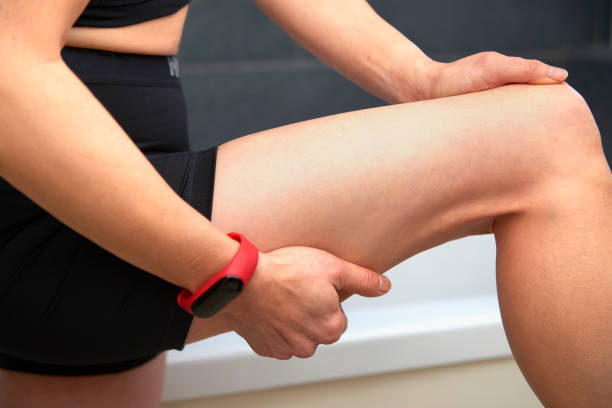
The first step in recovering from a pulled hamstring is finding out how serious the injury is. A physiotherapist can assess the muscle, determine the level of strain, and create a treatment plan to help you recover safely.
Physiotherapy may include exercises that help:
- Reduce pain and stiffness
- Improve flexibility
- Strengthen the injured muscle
- Prevent future injuries
Following your recommended exercises consistently can make a big difference in how well your hamstring heals.
Rest and Give Your Muscle Time to Recover
One of the hardest parts of recovering from a hamstring injury is accepting that your body needs time to heal. Continuing to push through pain can slow recovery and may make the injury worse.
During the early stages, avoid activities that increase pain. Resting the muscle and protecting it from further strain allows the healing process to begin.
Start Moving When You Are Ready
While rest is important, staying completely inactive for too long can lead to stiffness and weakness. Once movement feels comfortable, gentle activity can help improve circulation and maintain mobility.
Your physiotherapist may recommend specific stretches and strengthening exercises to gradually rebuild the muscle.
It is important not to rush back into sports or intense exercise. A hamstring can feel better before it is fully healed, and returning too soon increases the chance of reinjury.
Using Ice for a Pulled Hamstring
Ice can help during the early stages of an injury, especially if there is swelling or soreness.
To use ice safely:
- Wrap an ice pack in a towel
- Apply it to the back of the thigh for about 15 to 20 minutes
- Repeat as needed throughout the day
Never apply ice directly to your skin.
Using Heat During Recovery
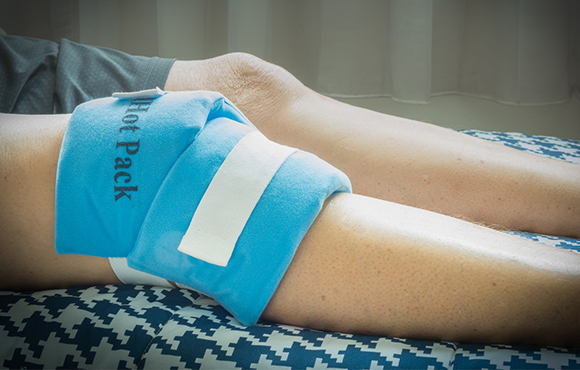
Heat can be helpful later in the recovery process when swelling has improved. A warm compress or heating pad can help relax tight muscles and make gentle stretching more comfortable.
Heat may help:
- Reduce stiffness
- Improve flexibility
- Prepare the muscle for exercises
If you are unsure whether ice or heat is right for your injury, check with your healthcare provider or physiotherapist.
How Long Does a Pulled Hamstring Take to Heal?
Recovery time depends on how severe the injury is and how well you follow your treatment plan.
A mild hamstring strain may improve within a few weeks, while more serious injuries can take several weeks or months to fully recover.
The biggest mistake many people make is returning to normal activities too quickly. Taking the time to rebuild strength and flexibility helps reduce the chance of injuring the muscle again.
Preventing Future Hamstring Injuries
Once your hamstring has healed, taking steps to prevent another injury is important.
- Warm up before exercising
- Stretch regularly
- Strengthen your legs and core muscles
- Increase activity levels gradually
- Pay attention to pain or tightness
Final Thoughts
A pulled hamstring can be frustrating, but with proper care and patience, most people recover well. Getting the right treatment, following a rehabilitation plan, and allowing your body enough time to heal are the best ways to return to the activities you love.






good advice for those pulled muscles. doing the rest part is always difficult.