Bad dental habits – 5 Habits That Cause Bad Teeth
9 min read
1662 words
If you want to maintain good oral health—health that lasts a lifetime—it’s essential to be aware of the habits that subconsciously cause damage to your teeth. Many people adhere to a basic brushing routine but overlook subtle behaviors that erode enamel, strain the jaw, and invite severe infection. Oral health is not merely about avoiding pain; it is a critical component of your overall physical well-being. By recognizing and eliminating harmful practices, you can dramatically improve the health, function, and appearance of your smile. In this informative guide, we will discuss five common bad dental habits that can lead to significant problems and offer clear, actionable strategies you can implement today to safeguard your oral future.
The Silent Damage: Understanding the Impact of Bad Dental Habits
Our dental health plays a foundational role in our overall well-being. The consequences of poor oral hygiene and harmful habits extend far beyond a simple cavity. Untreated issues can lead to systemic complications, significant financial burdens, and a diminished quality of life.
Poor habits pave the way for plaque buildup, which hardens into tartar. This environment invites destructive conditions such as gingivitis (early gum inflammation) and periodontitis (advanced gum disease). Periodontitis not only destroys the supporting bone structure around the teeth, leading eventually to tooth loss, but also introduces chronic inflammation into the bloodstream.
Studies have shown concrete links between advanced gum disease and other serious conditions, including cardiovascular disease, diabetes, and even certain respiratory infections. Practising good dental habits and actively steering clear of harmful behaviours is the primary way you can safeguard your teeth and enjoy a healthy, beautiful smile for years to come.
Five Bad Dental Habits That are Ruining Your Smile
When it comes to maintaining exceptional oral health, avoiding detrimental behaviors is crucial. Let’s take a closer look at five bad dental habits that can cause irrevocable damage to your teeth and how you can break free from them.
Neglecting Brushing and Flossing
One of the most common and pervasive bad dental habits is failing to maintain a consistent, thorough oral hygiene routine. Neglecting to brush your teeth twice a day and floss at least once daily is the simplest way to roll out the red carpet for dental disease.
When we eat, residual food particles combine with bacteria in the mouth to form plaque—a sticky, colorless film. If plaque is not removed within 24 to 48 hours via brushing, it begins to mineralize and harden into tartar (calculus). Tartar cannot be removed by simple brushing and requires professional scaling by a dental hygienist.
If you skip brushing, plaque directly attacks your enamel, leading to demineralization and eventually, cavities. If you skip flossing, you leave approximately 35% of your tooth surfaces uncleaned, allowing bacteria to flourish between your teeth and beneath the gumline, almost guaranteeing the development of gingivitis.
How to Break the Habit:
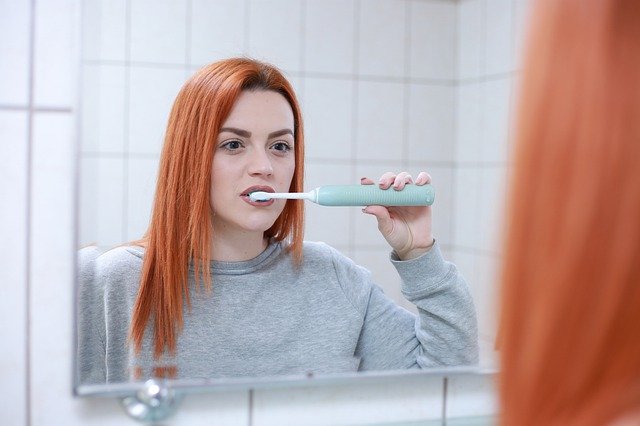
Establish a non-negotiable routine: brush for a full two minutes, morning and night, using a soft-bristled brush (preferably electric). Floss daily, ensuring you “hug” the tooth with the floss using a C-shape motion and slide it gently below the gumline. Consider using a fluoride rinse for added protection against demineralization.
Using Your Teeth as Tools
Do you frequently use your incisors to tear open a bag of chips, hold a pen, chew on ice, or remove that pesky tag from new clothing? While your teeth might seem robust, they are designed exclusively for biting and chewing food. Using your teeth as tools puts immense, uneven pressure on the enamel and the underlying dentin structure, leading to severe and often immediate consequences.
This habit dramatically increases the risk of structural failure. When you use your teeth to bend hard objects, you create microscopic stress fractures in the enamel. Over time, these small fractures can deepen, eventually resulting in chips, cracks, or even a complete fracture of the tooth, potentially requiring root canal therapy or extraction. Furthermore, this practice places unnecessary strain on the temporomandibular joints (TMJ), contributing to jaw pain and headaches.
How to Break the Habit:
Conscious substitution is key. Before defaulting to your mouth, stop and find the proper instrument—use scissors for cutting, a bottle opener for caps, and a nutcracker for hard shells. If you have an oral fixation (like chewing pens or ice), replace it with sugar-free gum, which can actually help stimulate saliva flow and neutralize acids.
Consuming Sugary and Acidic Foods
A diet high in sugary and acidic foods is perhaps the most insidious of all bad dental habits because it is often tied to daily routine beverages and snacks. These items wreak havoc on your teeth in two distinct ways: sugar feeds the bacteria that cause decay, and acid directly erodes the protective enamel layer.
When plaque bacteria consume sugar (sucrose, glucose, fructose), they produce metabolic byproducts that are highly acidic. This acid leaches minerals from the tooth structure, a process called demineralization, leading to the formation of cavities.
Even more damaging are acidic foods and drinks, such as carbonated sodas, sports drinks, wine, and excessive citrus consumption. These items lower the pH level of the mouth quickly, initiating swift chemical wear on the enamel. Erosion thins the enamel, making teeth appear yellower, significantly increasing sensitivity to hot and cold, and leaving the softer dentin exposed and vulnerable to rapid decay.
How to Break the Habit:
Limit your intake of sugary beverages and candies. When you do consume acidic drinks, use a straw to minimize contact with the teeth and consume them quickly, rather than sipping over a long period. Pair acidic foods with meals that contain calcium (like cheese) to help neutralize the acid. Most importantly, wait at least 30 minutes after consuming acid before brushing, as brushing immediately after acid exposure can compound the damage to softened enamel.
Skipping Regular Dental Check-ups
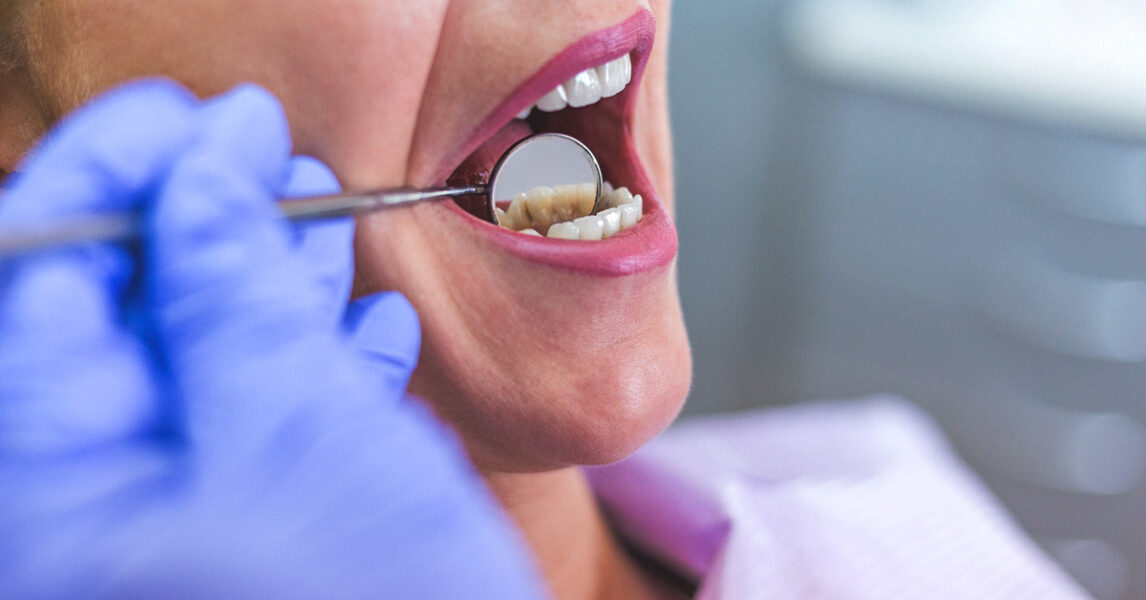
Routine dental check-ups are not a luxury; they are an essential component of preventive healthcare. Skipping these appointments—typically scheduled every six months—is a prime example of a bad dental habit rooted in neglect or fear.
While you may maintain an excellent routine at home, only a dental professional can detect specific, asymptomatic issues in their earliest stages. During a routine check-up, the hygienist performs professional scaling to remove hardened tartar that at-home care cannot address, immediately mitigating the risk of gum disease.
The dentist performs a comprehensive exam, which includes monitoring for small cavities (often visible only via X-ray), checking for pre-cancerous lesions, assessing the integrity of existing fillings, and evaluating the condition of your gums and jaw joints. Skipping these appointments allows minor, easily treatable issues to progress into painful, costly emergencies that might require extensive restoration or surgical intervention.
How to Break the Habit:
Treat your dental appointments like any other critical healthcare appointment. Schedule your next visit before you leave the current one, and use calendar reminders to ensure you keep the commitment. If affordability is a concern, communicate proactively with your dental office about payment plans or preventive care options. Early detection is always less expensive than emergency repair.
Grinding or Clenching Your Teeth (Bruxism)
Bruxism, the medical term for grinding or clenching the teeth, is often a subconscious and nocturnal habit driven by stress, anxiety, or an improper bite alignment. This habit can cause significant, irreversible damage to your teeth and facial structure over time.
When you grind your teeth, you apply hundreds of pounds of continuous, shearing force to the enamel. This wears down the biting surfaces, leading to flat, shortened, or chipped teeth. Severe bruxism can accelerate wear so dramatically that it exposes the sensitive pulp inside the tooth, requiring restorative crowns or intensive treatment.
Beyond the teeth themselves, bruxism strains the muscles of the jaw and the temporomandibular joints. Symptoms often include chronic jaw pain (TMD/TMJ), tension headaches, earaches, and stiffness in the facial muscles upon waking.
How to Break the Habit:
If you suspect you grind or clench your teeth—or if your partner hears you at night—consult your dentist immediately. The most common and effective treatment is a custom-fitted night guard. Unlike over-the-counter boil-and-bite guards, a professional night guard is designed to fit precisely, absorbing the impact and preventing direct tooth contact, protecting your jaw and enamel while you sleep. Stress management techniques before bed can also help reduce the severity of the habit.
Rewiring Your Routine: Concrete Steps to Break Free
Breaking these ingrained, bad dental habits requires intentional effort and consistency. Achieving long-term oral health is a marathon, not a sprint.
- Audit Your Behavior: Spend a week consciously observing when and why you engage in these bad habits. Do you clench when stressed at your desk? Do you chew ice while watching TV? Awareness is the first step toward change.
- Make Smart Substitutions: Replace the bad habit with a neutral or positive one. Instead of tearing a packet with your teeth, place a pair of small, accessible scissors in your kitchen drawer. Instead of reaching for a soda, choose plain water or unsweetened tea.
- Invest in Preventative Tools: Commit to quality oral hygiene equipment. This might mean purchasing a night guard, investing in an electric toothbrush, or setting up a subscription service for professional-grade dental floss.
- Set Digital Reminders: Use your phone to set reminders for brushing, flossing, and, most importantly, for scheduling your bi-annual dental check-up.
Conclusion
Taking proactive care of your teeth is absolutely essential for maintaining good oral health and a high quality of life. The five bad dental habits discussed—neglecting hygiene, using teeth as tools, consuming excessive sugar and acid, skipping check-ups, and grinding—are all preventable.
By avoiding these harmful practices and consistently incorporating good oral hygiene into your daily life, you can keep your smile bright, functional, and healthy. Remember to brush and floss regularly, audit your diet for hidden acids and sugars, and prioritize your scheduled visits to the dentist for professional cleanings and exams. With the right habits and commitment, you can enjoy a lifetime of healthy teeth and gums.