Are Herbal Supplements right for Health and Well-Being
5 min read
820 words
In a world where traditional medicines can sometimes bring unwanted side effects, a growing number of individuals are exploring alternative pathways to healing, energy restoration, and pain reduction. Herbal supplements, rooted in ancient traditions and natural wisdom, are gaining significant attention as a gentler approach to health. In fact, a 2012 survey by the National Health Services Department revealed that nearly 18% of adults incorporate some form of herbal supplement into their wellness routine.
If you’re looking to explore natural methods for supporting your body’s balance and vitality, understanding herbal supplements is a valuable first step.
What are Herbal Supplements?
Often referred to as botanicals, herbal supplements encompass a diverse range of natural ingredients. These can include whole plants, specific plant parts, algae, or fungi. While the Food and Drug Administration (FDA) does not regulate herbal supplements in the same way as pharmaceuticals, responsible manufacturers are required to clearly list all ingredients on their product labels, empowering consumers with information.
Exploring Common Herbal Supplements and Their Potential Benefits:
Many herbal supplements are celebrated for their unique properties that can support various aspects of health. Here’s a look at some popular botanicals and the benefits they are commonly associated with:
- St. John’s Wort: Widely recognized for its potential to support mood, St. John’s Wort is often used for mild depression, anxiety, sleeplessness, poor appetite, nervousness, and general feelings of fatigue. It’s available in teas, pills, or capsules.
- Ginkgo Biloba: Derived from the leaves of the ancient Ginkgo tree, this extract is rich in antioxidants. Many individuals use it to enhance blood circulation and support cognitive function, including memory and focus.
- Ginseng: Known for its adaptogenic properties, Ginseng is another powerful antioxidant and possesses anti-inflammatory qualities. It’s often used to boost energy, reduce fatigue, and promote overall well-being.
- Maca Root: Maca Root Supplement is increasingly popular for its potential to support energy levels, stamina, and libido, as well as hormone balance.
- Kava Kava: An extract from the kava plant, this supplement is frequently used to promote restful sleep and reduce feelings of stress and anxiety. Regular users often report a calming feeling that can be almost euphoric. It’s available in tablet form and teabags.
- Peppermint: A beloved aromatic herb, peppermint has been used for generations. As an herbal supplement, it helps calm the stomach, may relieve pain (including migraines), reduce the severity of menstrual cramping, and naturally freshens breath.
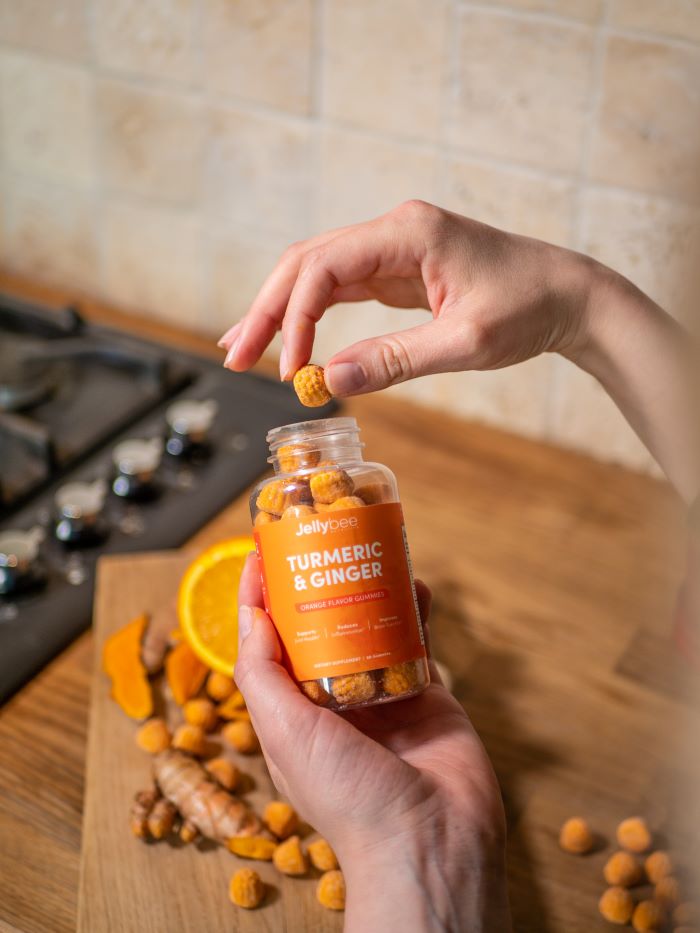
- Ginger: Originating in China, this flowering plant is not just a culinary spice. As an herb, ginger is commonly used to combat nausea (including morning sickness), aid digestion, soothe common colds, and reduce pain associated with intense workouts and osteoarthritis.
- Echinacea: A very popular flowering plant, Echinacea is high in antioxidants and offers many health benefits. It can help reduce acid indigestion, alleviate pain, support chronic fatigue syndrome, and may even help fight gum disease by boosting the immune system.
- Chamomile: Featuring delicate, daisy-like flowers, chamomile is renowned for its soothing properties. It helps many people relieve stress and anxiety and combat insomnia, promoting a sense of calm for better sleep.
- Flax Seed: This plant-based herbal supplement is an excellent source of antioxidants and Omega-3 fatty acids. It may help to reduce obesity, lower blood pressure, alleviate hot flashes and inflammation, and contribute to colon cancer prevention.
- Evening Primrose Oil: The oil extracted from this beautiful yellow flower may help to fight skin conditions such as eczema and reduce common PMS symptoms like breast tenderness and mood swings.
The Broader Perspective: Potential Benefits & Essential Precautions
For many, herbal and dietary supplements offer a compelling alternative to traditional medications, leveraging natural ingredients for various health concerns. Users often report relief and improved well-being, finding a more holistic path to managing their health.
However, it’s vital to remember that because the FDA does not regulate these supplements in the same way as prescription drugs, the confirmed efficacy and safety of many widely available botanicals are still being rigorously studied. While some clinical trials show promising results – like research into Uqora for potential UTI prevention or Yerba Santa for its possible role in combating Alzheimer’s – ongoing research with larger populations is crucial to definitively confirm or dismiss all proclaimed benefits.
Important Considerations Before Use:
Herbal and dietary supplements are potent natural compounds and are not without potential risks. To prioritize your health and well-being, we strongly advise the following:
- Do Your Research: Thoroughly investigate any natural herb you consider, understanding its traditional uses, documented effects, and potential interactions. Reliable sources and scientific studies are your best guide.
- Consult Your Healthcare Provider: This is paramount. If you are currently taking any prescribed medications, have pre-existing health conditions, are pregnant or breastfeeding, or are considering adding any herbal supplement to your regimen, always consult with your doctor or a qualified healthcare professional first. They can provide personalized advice and identify any potential contraindications or interactions with your current health plan, ensuring your safety and optimal health outcomes.