Tips for Decorating a Home Office or Studio Space
6 min read
1126 words
More than ever, our homes serve as workplaces, creative studios, and places to manage everyday responsibilities. Whether you work remotely, pursue creative projects, or simply need a dedicated spot to get things done, a well-designed home office can make your daily routine more comfortable and organized.
A cluttered or poorly arranged workspace can make it harder to concentrate, while a thoughtfully designed space can help you feel more focused and inspired. The good news is that you don’t need a large room or an expensive renovation to create a workspace that suits your needs.
From improving your lighting to finding clever storage solutions, here are seven practical tips for decorating a home office or studio.
1. Make the Most of Your Lighting
Good lighting is an important part of a comfortable workspace. Insufficient light can make reading and detailed tasks more difficult, so aim for a combination of natural light and suitable indoor lighting.
- Use natural light: If possible, position your desk near a window to enjoy daylight while you work. Adjust curtains or blinds to reduce glare on your computer screen.
- Add ambient lighting: An overhead fixture provides general illumination throughout the room.
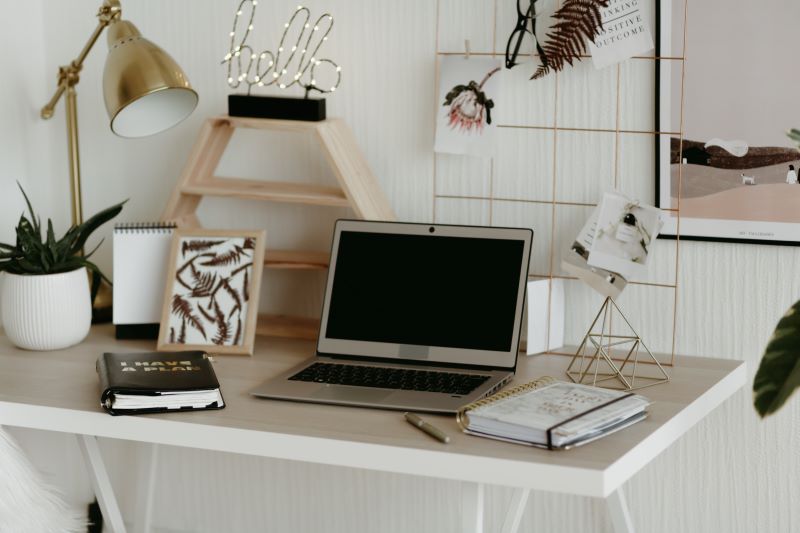
- Choose task lighting: A desk lamp can provide focused light for reading, writing, drawing, or other detailed projects. An adjustable lamp lets you direct the light where you need it.
Tip: Consider where light falls on your desk and computer screen throughout the day. A small adjustment to your desk or lamp can make your workspace more comfortable.
2. Keep Your Workspace Organized
A cluttered desk can make it difficult to find the items you need. Creating a simple organization system helps keep everyday supplies accessible and gives you more room to work.
Start by removing anything you no longer use. Recycle unnecessary paperwork, return misplaced items to their proper homes, and keep only frequently used supplies within easy reach.
A few practical solutions can make a difference:
- Use pencil holders or desktop organizers for pens, scissors, and other stationery.
- Sort documents into labelled folders or magazine holders.
- Add drawer dividers to keep small supplies separated.
- Use cable clips or sleeves to manage charging cords and computer cables.
- Keep personal touches, such as photographs or a small plant, without overcrowding your desk.
For more ideas, explore our guide to Martha Stewart home office supplies and organization ideas, which looks at office accessories and practical ways to organize paperwork and everyday essentials.
3. Add Personal Touches
Your home office should feel like a natural extension of your home rather than an impersonal workspace. Decorative details can make the room more inviting while reflecting your personality.
Consider displaying artwork, framed photographs, favourite books, or meaningful keepsakes. A colourful desk accessory or an interesting lamp can also add character without taking up too much space.
Plants are another option if you enjoy greenery. Choose a variety suited to your room’s light conditions and the amount of care you can provide.
The key is to select a few items you genuinely enjoy rather than filling every available surface. A little decoration can go a long way.
4. Make Use of Vertical Space
If your home office is small, look beyond the desk for additional storage opportunities. Walls and unused corners can provide valuable space without making the room feel crowded.
- Install floating shelves: Use wall shelves for books, storage boxes, and decorative accessories.
- Try vertical file holders: Keep documents organized while using less desk space.
- Consider under-desk storage: A compact drawer unit can hold supplies and paperwork that you don’t need constantly.
- Use corners wisely: A narrow bookcase or small shelving unit can make an awkward corner more functional.
Before purchasing new storage, measure your available space and consider what you need to store. The best solution is one that keeps items accessible without making your office feel cramped.
5. Choose a Colour Scheme You Enjoy
Colour can influence how a room feels, so choose shades that make your workspace comfortable and appealing.
Soft blues and greens can create a calm atmosphere, while warmer shades can add energy and personality. Neutral colours provide a flexible backdrop if you prefer to introduce colour through accessories and artwork.
You don’t need to repaint the entire room to change its appearance. A desk mat, curtains, cushions, storage boxes, or a piece of artwork can introduce colour without a major expense.
For a coordinated look, choose two or three complementary colours and repeat them throughout the room. This helps the space feel intentional without requiring every item to match.
6. Create a Balanced Layout
Furniture placement affects how easily you can move around and use your workspace. Before rearranging your office, think about the activities you do most often and how much room each one requires.
Position your desk where you have comfortable access to power outlets, lighting, and frequently used supplies. Make sure drawers and cupboard doors can open fully and that you have enough room to move your chair.
Avoid filling every corner with furniture or decorations. Leaving some open space can make even a small office feel less crowded.
Once everything is in place, spend a few days using the room before making further changes. You may discover that moving a lamp, relocating a storage unit, or clearing part of the desk makes your routine easier.
7. Make Comfort a Priority
A home office should be attractive, but it also needs to support the way you work. A suitable chair, an appropriately positioned desk, and a comfortable screen height can make a difference during long periods at your workstation.
Keep frequently used items within easy reach to avoid unnecessary stretching. Arrange your keyboard, mouse, and monitor so you can work in a relaxed position, and take regular breaks to stand, stretch, or move around.
If your workspace serves several purposes, consider ways to make it easy to switch between activities. A tray for paperwork, a portable supply caddy, or a designated storage area can help you clear the desk when you need the room for something else.
Small practical changes can improve how your workspace functions without compromising its appearance.
Create a Workspace That Works for You
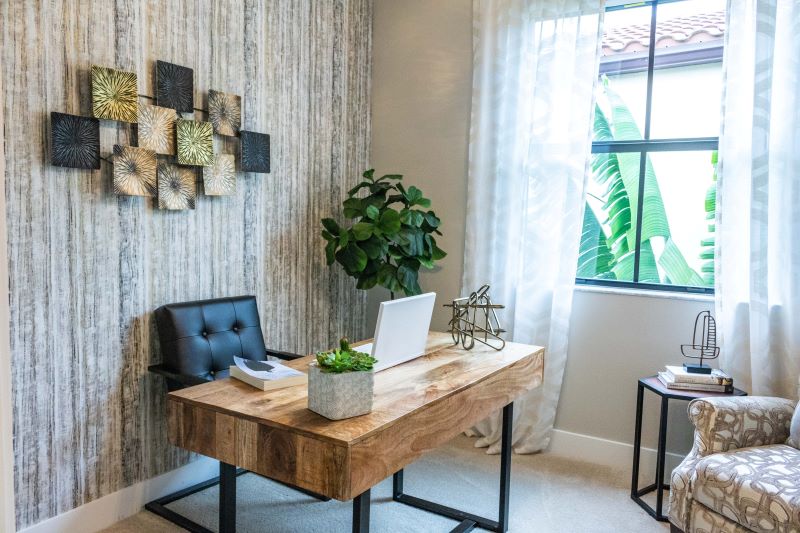
Decorating a home office or studio doesn’t have to involve a complete makeover. Better lighting, sensible storage, personal touches, and a comfortable layout can transform the way you use the space.
Start with the changes that address your biggest frustrations. If paperwork is taking over your desk, introduce a filing system. If the room feels dark, improve the lighting. If you struggle to concentrate in a crowded space, remove unnecessary items and simplify your layout.
Your workspace should reflect your needs, preferences, and budget. With a little planning, you can create a home office or studio that feels welcoming, organized, and ready for whatever your day brings.