
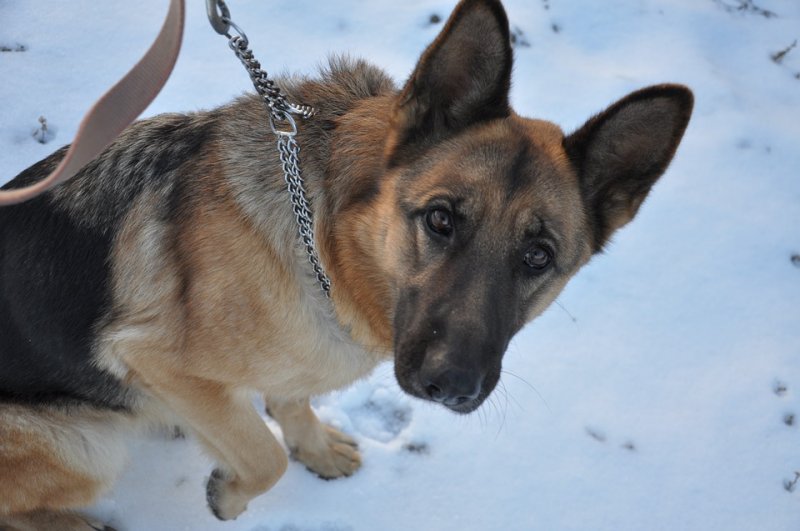
Training your German Shepherd with Training Collars
5 min read
994 words
Welcome, German Shepherd parent! You have one of the most intelligent, loyal, and capable breeds on the planet. Their powerful minds and bodies are a joy to behold, but let’s be honest—they can also present some unique training challenges. From powerful leash-pulling to selective hearing at the dog park, sometimes a standard flat collar just doesn’t cut it. That’s where training collars come in. But before you click “add to cart,” it’s crucial to understand that a training collar is not a magic wand or a punishment device. It is a communication tool. Used correctly, it can bridge the gap between your command and your GSD’s understanding, leading to a safer, happier, and more obedient companion. This guide will walk you through the types of training collars, how to use them safely, and the golden rules for success. Let’s dive in!
Why Even Consider a Training Collar for a German Shepherd?
German Shepherds were bred for work. They are strong, driven, and have a high prey drive. This genetic makeup means:
- They are powerful pullers: A full-grown GSD can easily pull an adult off their feet, making walks stressful and dangerous.
- They are incredibly smart: This means they can learn—but they can also test boundaries and require clear, consistent communication.
- They can be reactive: Without proper guidance, their protective instincts can lead to reactivity towards other dogs or people.
A training collar, when part of a balanced training program, provides clear and immediate feedback that your powerful GSD can understand, cutting through distractions and reinforcing your leadership.
A Breakdown of Common German Shepherd Training Collars
Navigating the world of training collars can be confusing. Let’s break down the most common and effective options for a breed like the German Shepherd.
1. The Prong Collar (or Pinch Collar)
Often misunderstood due to its appearance, a properly fitted prong collar is one of the safest and most effective tools for teaching leash manners.
- How it Works: Unlike a choke chain, a prong collar doesn’t choke. It applies even, gentle pressure around the neck, mimicking the way a mother dog corrects her puppies. The sensation is designed to get the dog’s attention, not to inflict pain.
- Best For: Leash pulling, lunging, and reactivity on walks. It provides a self-correcting mechanism when the dog pulls.
- The Golden Rule of Fit: This is non-negotiable. A prong collar must sit high on the neck, right behind the ears and jaw. It should be snug—you should be able to fit only one or two fingers underneath. A loose, dangling prong collar is ineffective and dangerous. Always consult a professional trainer to ensure a proper fit.
2. The Modern E-Collar (Remote Training Collar)
Forget the scary “shock collars” of the past. Modern e-collars are sophisticated communication devices that are worlds apart from their predecessors.
- How it Works: A high-quality e-collar offers multiple modes of communication: an audible tone (like a beep), a vibration (like a phone), and static stimulation (often called a “stim”). The stim is a mild sensation, like a TENS unit used in physical therapy. The goal is to find the lowest possible level your dog can feel—often a level a human can’t even perceive.
- Best For: Off-leash reliability, recall (coming when called), boundary training, and stopping dangerous behaviors like chasing cars or wildlife from a distance.
- The Golden Rule of Introduction: Never just slap an e-collar on and start pressing buttons. The collar must first be “conditioned”—worn for days or weeks while doing fun things (walks, fetch, getting treats) so the dog associates it with positive experiences. Training should always start with pairing a low-level stim with a known command, not using it as a punishment.
3. The Martingale Collar
The Martingale is a gentler option and an excellent choice for many GSDs, especially those with slender necks.
- How it Works: It’s a limited-slip collar made of two loops. When the dog pulls, the smaller loop tightens the larger loop just enough to prevent the dog from backing out of its collar, without choking.
- Best For: General walks, dogs who are escape artists, and as a transition away from a prong collar once leash manners are established.
The 5 Rules for Using Any Training Collar Safely and Effectively
To succeed, you must commit to using these tools responsibly. This isn’t just about stopping bad behavior; it’s about building a better relationship with your dog.
- Always Pair with Positive Reinforcement: The collar is for correction and communication, not for teaching. Commands should be taught using praise, treats, and toys. The collar simply reinforces the command when the dog is distracted or disobedient.
- Seek Professional Guidance: We can’t stress this enough. Working with a balanced trainer who is experienced with GSDs and these tools is the single best investment you can make in your dog’s future.
- Timing is Everything: A correction must be applied the instant the unwanted behavior occurs. A correction that is even two seconds late is confusing and unfair to the dog.
- Stay Calm and Consistent: A training collar should never be used in anger or frustration. Your energy travels right down the leash. Be a calm, confident leader.
- The Collar is for Training, Not for 24/7 Wear: Training collars (especially prongs and e-collars) should only be worn during active training sessions. They are not meant for lounging around the house or for tying your dog out.
Your Goal: A Confident, Well-Behaved Companion
Training your German Shepherd is a journey, not a destination. Using a training collar is a significant step that requires education, patience, and a commitment to your dog’s well-being. When used as a clear communication tool within a loving, structured environment, it can help you forge an unbreakable bond with your GSD, built on trust and mutual respect.
You CAN have that dream dog who walks politely by your side and comes running back with joy when you call. You just need the right tools and the knowledge to use them well.




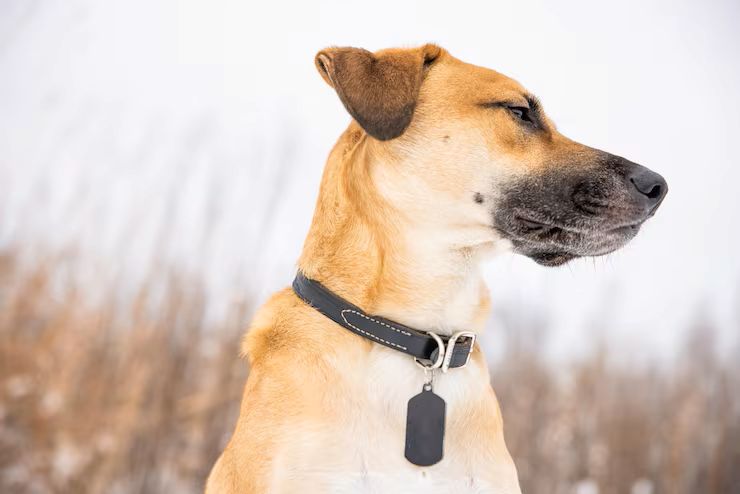


German Shepherd are amazing animals.Personally I don’t like training collars !
Yes, German Shepherds are commonly described as excellent Breed, and easy to train. But they also hold a variety of wonderful characteristics such as intelligent, alert, watchful, curious, obedient, courageous, and confident. But They can also be trained without training collars. I know there are some valid reasons to use collars. But love to see them free.