
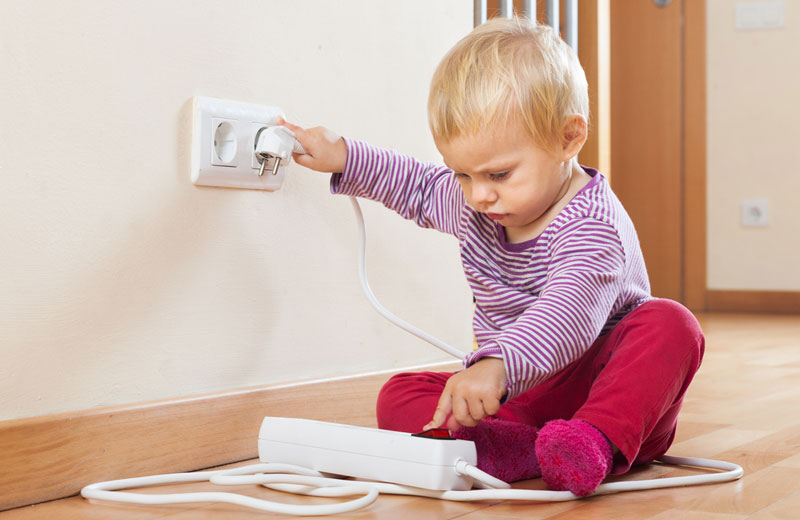
Electrical Outlets – Childproofing your home
5 min read
923 words
The world of a parent is a perpetual tightrope walk, a delicate dance between fostering burgeoning independence and guarding against the myriad dangers lurking in what suddenly becomes a very large, very unpredictable universe for our little ones. And make no mistake, when my toddler’s adventurous spirit transformed into a determined crawler, electrical outlets shot to the very top of my “impending doom portal” list. The mere image of those minuscule fingers reaching, probing, and inevitably attempting to explore those dark, mysterious cavities sent a visceral shiver down my spine. I knew, with a certainty that only parental instinct can provide, that immediate action was required. Our home needed a fortress, an impenetrable shield against the silent, invisible threat of electricity. The good news, and believe me, any good news is a welcome respite in the often-overwhelming landscape of early parenthood, is that transforming our electrical outlets into safe zones wasn’t a Herculean task at all. It was, in fact, surprisingly, wonderfully simple.
My Arsenal of Outlet Defense
My first line of defense, the most basic yet undeniably crucial element of my outlet fortification strategy, was the ubiquitous outlet plug. These are those small, unassuming, brightly colored plastic covers that you simply push into any unused outlet. They are readily available at virtually every baby supply store and can be found in abundance online. While they represent the entry-level of outlet protection, their effectiveness is remarkable. They create a physical barrier, a polite but firm “no entry” sign that effectively prevents those curious little fingers from making contact with the live electrical current. I embarked on a house-wide mission, diligently ensuring that every single unoccupied outlet was securely plugged. It was a satisfying ritual, each click of a plug into place a small victory in the ongoing battle for my child’s safety.
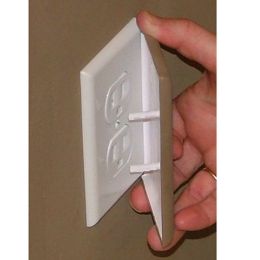
As my child’s mobility and curiosity escalated, I knew I needed to upgrade my defenses in areas where outlets were not only present but actively tempting. This led me to the next iteration of my safety arsenal: outlet covers with sliding plates. These are a significant step up from the basic plugs. Instead of just covering the holes, these ingenious devices replace the entire existing outlet faceplate. The magic lies in their spring-loaded sliding mechanism. When you need to plug in an appliance, you simply slide the plate open, exposing the sockets. The beauty of it is that the moment you unplug your device, the plate automatically springs back into place, resealing the outlet and returning it to its impenetrable state. I found these to be particularly invaluable in high-traffic zones of our home, such as the bustling kitchen and the ever-popular living room. The peace of mind knowing that even if my child managed to get hold of something plugged in, the outlet itself would remain inaccessible once the cord was removed, was immeasurable.
For those outlets that are perpetually in use, the unsung heroes behind our entertainment systems and charging stations, I adopted a more specialized approach: outlet covers with built-in cord management. These aren’t just about covering the outlet itself; they offer a comprehensive solution to the entanglement of cords that often accompanies them. These covers are designed to house the plugs and keep the cords neatly tucked away. This serves a dual purpose. Firstly, it discourages our little explorer from tugging on the cords, a behavior that can lead to them dislodging the plug from the outlet, potentially exposing those dangerous prongs. Secondly, by enclosing the entire outlet area, they provide an additional layer of robust protection. It’s a streamlined approach that tackles both the outlet’s inherent risk and the associated enticement of dangling cords.
Beyond the Physical: The Power of Education
While the physical barriers I erected were crucial, I also understood that true safety extends beyond mere prevention. It involves cultivation and understanding. Therefore, alongside my physical childproofing efforts, I made a concerted effort to teach my child about electrical safety, even from a very young age. This wasn’t about instilling fear, but about fostering respect for the invisible forces that power our lives. Using simple, age-appropriate language, I would explain that outlets are not toys, that they are for grown-up things, and that they could cause a “boo-boo” if touched. Consistency is key in this endeavor. Gentle, repeated reminders, coupled with demonstrating the correct way to use outlets with adult supervision, slowly but surely ingrained the concept. It’s a long game, this education, but one that lays the foundation for responsible behavior as they grow.
Childproofing our electrical outlets is far more than just a mundane chore or a series of plastic insertions. It is, in essence, the construction of peace of mind. Knowing that I have taken these straightforward, accessible steps to protect my child allows me to exhale a little deeper, to relax a touch more, and to truly immerse myself in the fleeting magic of these precious early years. The constant hum of parental anxiety can be deafening, but a few simple childproofing measures can significantly lower the volume, allowing the joy of parenthood to resonate more clearly. And believe me, that profound sense of security? It is worth every single penny spent and every moment invested. So, I implore you, take those few minutes today to survey your own home and childproof your electrical outlets. It’s a small act of love with immeasurable rewards. You won’t regret it; your future self, and more importantly, your little one, will thank you for it.







These are very useful Childproofing Electrical Outlets. I used this because my kids are always playing around the electrical outlets.