
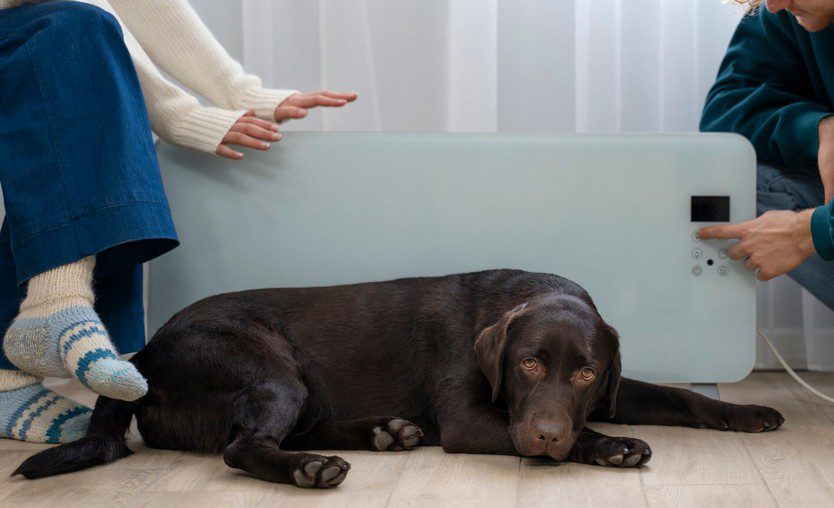
Space Heater Safety: How to Protect Children and Pets at Home
9 min read
1774 words
When winter temperatures drop, portable space heaters can make a home feel much more comfortable. Whether you are trying to warm up a chilly living room, take the edge off a cold bedroom, or provide extra heat in a room that never seems to get warm enough, space heaters can be convenient. However, space heater safety is something parents and pet owners should take seriously, particularly when young children and curious animals share the same living space. Hot surfaces, electrical cords, tip-over accidents, and fire hazards can turn an ordinary household appliance into a potential danger. I have a Shih-Poo who loves to lie very close to our heater, so I know firsthand how tempting that warm spot can be for a pet. We own a De’Longhi heater, but even with a modern appliance, I still need to be mindful of how close she gets. Here are some important space heater safety tips to help protect children and pets while keeping your home comfortable during the colder months.
1. Keep Children and Pets at a Safe Distance
One of the most important rules when using a portable space heater is to establish a safety zone around it. Health Canada recommends keeping portable electric heaters at least one metre away from combustible materials, including couches, beds, clothing, and curtains. This is particularly important for young children who may not understand that a heater can become hot enough to cause burns. Curious toddlers might reach toward the appliance, touch its surface, or attempt to investigate its buttons and controls. Pets can be equally unpredictable, especially dogs and cats that enjoy sleeping in warm spots. Make it a household rule that children and pets stay away from the heater, and consider using a secure barrier if necessary to prevent them from getting too close. You can read more in Health Canada’s electrical product safety guidance.
2. When Your Dog Loves to Lie Beside the Heater
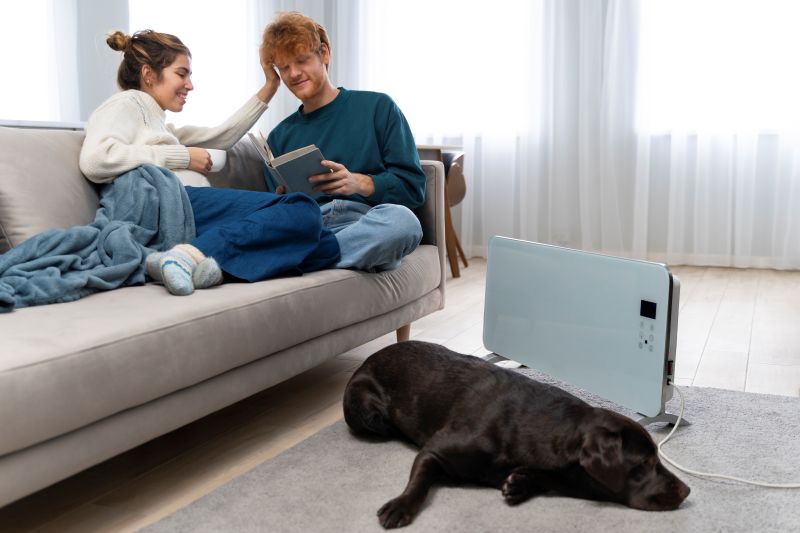
Some dogs seem to have a favourite spot in the house during winter, and for my Shih-Poo, that spot is very close to the heater. She enjoys lying near the warmth, particularly when the weather outside is cold. We own a De’Longhi heater, but I still need to be mindful of how close she gets because contact with a hot surface can cause burns, and prolonged exposure to excessive heat can make a pet uncomfortable. Dogs may not move away immediately when they become warm, particularly when they are comfortable and settled in their favourite sleeping position. I try to make sure she has a comfortable alternative resting spot away from the heater rather than allowing her to lie directly beside it. If your dog also loves curling up next to a space heater, remember that a warm bed or blanket placed at a safe distance is a better option. Even when an appliance has built-in safety features, it is important to supervise pets and prevent direct contact.
3. Understand the Different Safety Features on Space Heaters
Not all portable heaters have the same safety features, so it is worth understanding what your appliance offers before using it around children and pets. Some models have tip-over protection, which automatically switches the heater off if it is knocked over. Others include overheat protection, designed to shut the appliance down if it reaches an unsafe operating temperature. Thermostats allow you to regulate the room temperature rather than having the heater run continuously at its highest setting. Some heaters also have cool-touch exterior designs, although you should never assume that every surface is safe to touch. When shopping for a portable heater, look for recognized Canadian electrical certification marks, such as CSA, cUL, or cETL. Always read the manufacturer’s instructions to understand which safety features your particular model includes. Health Canada has also published information about the potential burn and fire hazards associated with portable electric heaters in Canada.
4. Keep Space Heaters Away From Furniture, Curtains and Bedding
A space heater needs room around it to operate safely. Placing one too close to curtains, sofas, blankets, clothing, bedding, or other combustible materials can create a serious fire hazard. This is particularly concerning in homes where children play on the floor or pets enjoy sleeping on blankets near a source of warmth. A blanket that accidentally slips against a heater or a curtain that moves into contact with a hot surface can create an unnecessary risk. Health Canada recommends maintaining at least one metre of clearance between portable electric heaters and combustible materials. Place the appliance on a solid, level surface where it cannot easily be bumped or knocked over. Avoid placing portable heaters on carpets, rugs, furniture, or other surfaces unless the manufacturer’s instructions specifically permit it. For additional information, see the Government of Ontario’s fire safety guidance.
5. Watch Electrical Cords Around Children and Pets
Electrical cords are another potential hazard that deserves attention, especially when you have young children or pets that like to chew. Toddlers may pull on cords out of curiosity, while some dogs find dangling electrical wires particularly tempting. A damaged cord can expose electrical wiring and create a risk of electric shock or fire. Keep heater cords positioned where children and animals cannot easily reach, pull, trip over, or chew them. Never run an electrical cord underneath a carpet or rug, as this can cause heat to build up and make damage harder to notice. Health Canada specifically advises against plugging portable electric heaters into extension cords or power bars. Plug the heater directly into an appropriate wall outlet, and check the cord and plug regularly for fraying, damage, or unusual heat. If you notice a problem, stop using the appliance.
6. Never Leave Young Children or Pets Alone With a Running Heater
Even a heater with several built-in safety features should not be treated as an appliance that can be left running without supervision. Young children may not understand the danger of touching a hot surface, while pets may move closer to the appliance when nobody is watching. A child could accidentally knock the heater over, change its settings, or pull on the electrical cord. Similarly, a dog or cat might settle directly against the appliance or obstruct its air intake. Make sure an adult is present and paying attention whenever a portable heater is operating. Health Canada recommends unplugging portable electric heaters before leaving home or going to sleep. Developing these habits can help reduce the chances of an accident occurring when everyone is distracted by other household activities.
7. Understand the Carbon Monoxide Risks of Fuel-Burning Heaters
Not all portable heaters operate using electricity. Some appliances burn fuels such as propane, kerosene, or natural gas, and these require very different safety precautions. Improperly operated fuel-burning appliances can produce carbon monoxide, an odourless and colourless gas that can cause serious illness or death. Unlike electric space heaters, which do not produce carbon monoxide through normal operation, fuel-burning heaters can introduce this danger into the home. Ontario’s fire safety guidance warns against using portable kerosene, propane, or other fuel-fired heaters indoors because they can produce dangerous carbon monoxide gas. Make sure your home has working carbon monoxide alarms wherever required, particularly near sleeping areas and on each storey. Never use outdoor heaters, barbecues, or camping equipment to heat indoor living spaces. For more information, consult the Ontario Government’s heating safety guidance.
8. Teach Children About Heater Safety
Children learn about household safety through repetition, explanation, and supervision. Rather than simply telling a child not to touch a heater, explain that it becomes hot and can hurt them. Make it clear that the appliance is not a toy and that its buttons, controls, and electrical cord should only be handled by an adult. Younger children may need reminders whenever the heater is turned on, particularly if they are playing nearby. Keep toys, stuffed animals, blankets, and other favourite belongings away from the heater so children are not tempted to reach into the safety zone. As children get older, involve them in simple household safety discussions so they understand why certain appliances need special care. These conversations can help establish good habits that continue as children become more independent.
9. Inspect and Maintain Your Space Heater
Before using your portable heater for another winter, take a few minutes to inspect it. Look for damaged electrical cords, loose plugs, cracks, unusual noises, or signs that the appliance is not operating as it should. Dust and debris can accumulate around heating appliances, so follow the manufacturer’s instructions for cleaning and maintenance. Never attempt to repair electrical components yourself unless you are qualified to do so. Check whether your particular model has any outstanding safety recalls, and keep the instruction manual somewhere accessible. If your heater is damaged, has been recalled, or behaves unusually, stop using it until the problem has been properly addressed. Health Canada has published a safety assessment of portable electric heaters, which discusses potential overheating, burn, and fire hazards.
10. Make a Safer Warm Spot for Your Pets
If your dog or cat constantly seeks out the warmth of a portable heater, consider creating a comfortable resting area somewhere else in the room. A supportive pet bed, favourite blanket, or cosy sleeping area can provide warmth without encouraging your animal to lie directly beside the appliance. Position the bed outside the heater’s recommended clearance zone and make sure it does not interfere with ventilation. Watch your pet’s behaviour, especially if she repeatedly moves closer to the heater despite having another comfortable place to sleep. Remember that pets can overheat, and excessive warmth may cause discomfort even without direct contact with the appliance. Fresh drinking water should always be available, and your pet should be able to move freely away from warm areas. Providing a comfortable alternative can make it easier to discourage the habit of sleeping too close to a heater.
Keep Your Home Warm and Your Family Safe
Portable space heaters can be useful during Canada’s colder months, but they require thoughtful placement and regular attention. Whether you have toddlers exploring their surroundings, older children playing on the floor, or pets searching for their favourite warm spot, it is important to consider how everyone in the household interacts with the appliance. My Shih-Poo’s love of lying close to our De’Longhi heater is a reminder that even when we purchase modern appliances, we still need to supervise our pets and take sensible precautions. Keep heaters away from children and animals, protect electrical cords, maintain adequate clearance, and unplug appliances when they are not being used. A little preparation can help prevent burns, injuries, and household fires while making your home a more comfortable place to spend the winter.