
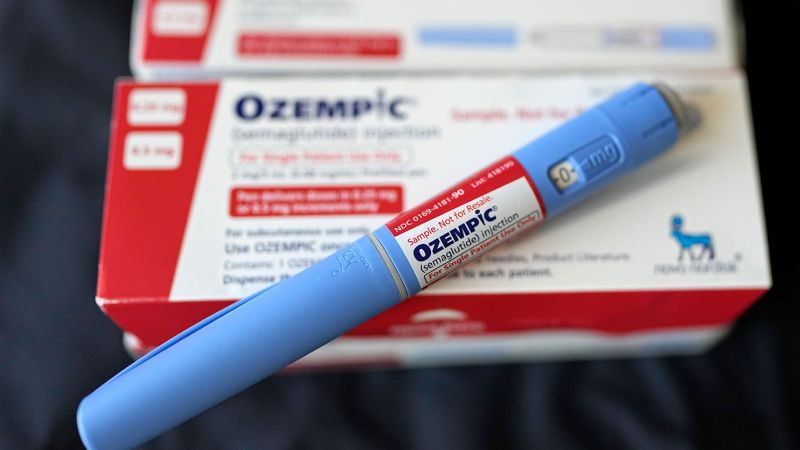
Health Canada Warns of Rare Vision Loss Risk With Ozempic
11 min read
2015 words
Can a medication prescribed to manage type 2 diabetes or support weight management affect your eyesight? Health Canada has issued a new safety warning about a very rare but potentially serious eye condition associated with prescription medications containing semaglutide, including Ozempic, Wegovy and Rybelsus. The condition, known as non-arteritic anterior ischemic optic neuropathy (NAION), can cause sudden, painless vision loss and, in some cases, permanent damage to eyesight.
The warning, issued on November 25, 2026, follows a Health Canada safety review that identified a possible link between semaglutide medications and NAION. Although the risk is considered very rare, the announcement is important for Canadians who currently take these medications or are considering them as part of their diabetes or weight management treatment. Sudden changes in eyesight should never be dismissed, particularly when a medication carries a newly identified safety concern.
Semaglutide medications have received considerable attention in recent years because of their role in blood sugar management and weight loss. As their use has increased, so has public interest in understanding their potential side effects. Health Canada’s latest warning is another reminder that patients need access to balanced information about both the benefits and possible risks of prescription medications.
Which Medications Are Included in Health Canada’s Warning?
Semaglutide belongs to a class of prescription medications called glucagon-like peptide-1 (GLP-1) receptor agonists. These medications mimic the effects of a naturally occurring hormone involved in blood sugar regulation, appetite and digestion. They can help people with type 2 diabetes manage blood glucose levels and, depending on the specific product and approved indication, support weight management.
Health Canada’s warning applies to prescription semaglutide products marketed under several brand names, including Ozempic, Wegovy, Rybelsus, Plosbrio and Poviztra, as well as certain generic semaglutide products. Although these medications may be prescribed for different reasons and come in different formulations, they contain the same active ingredient, semaglutide.
Ozempic and Wegovy are administered as once-weekly injections, while Rybelsus is an oral medication taken daily. Their approved uses differ, so patients should not assume that every semaglutide product is interchangeable. The important point in this latest announcement is that the possible NAION risk relates to the active ingredient rather than simply one particular brand name.
It is also important to distinguish semaglutide from other medications in the broader GLP-1 drug class. Health Canada’s completed safety review focused specifically on semaglutide products. The department says it is separately assessing the potential risk of NAION with other GLP-1 receptor agonist medications. Therefore, this particular Canadian warning should not be interpreted as confirmation that every medication in the class carries the same established risk.
What Is NAION and How Can It Affect Your Vision?
Non-arteritic anterior ischemic optic neuropathy, commonly shortened to NAION, is an eye condition that occurs when the blood supply to the front portion of the optic nerve is reduced. The optic nerve is essential for vision because it carries visual information from the eye to the brain. When blood flow is disrupted, the optic nerve can become damaged, potentially resulting in significant and sometimes permanent vision loss.
NAION is the most common type of optic neuropathy in adults over the age of 50 and is a recognized cause of permanent vision impairment. Unlike many eye conditions that develop gradually, NAION often presents suddenly and without significant pain. This can make the condition particularly frightening because someone may go to bed with normal eyesight and wake up noticing that their vision has changed.
The vision loss usually affects one eye at a time. A person might notice that part of their field of vision appears cloudy, blurred or missing. Some people experience changes in the lower portion of their vision, while others notice that colours appear faded or are more difficult to distinguish. Although the condition is generally painless, Health Canada notes that mild headaches or discomfort around the eye can occasionally occur.
There is currently no established treatment that reliably restores vision lost because of NAION. This is one of the reasons Health Canada’s warning deserves attention. Recognizing sudden changes and obtaining prompt medical assessment is important, even when there is no pain or other obvious symptom.
What Symptoms Should People Taking Semaglutide Watch For?
One of the most important details in Health Canada’s announcement is that many people first notice NAION symptoms when they wake up in the morning. The change may occur after a full night’s sleep or even after a short nap. Someone might initially think their eyesight is temporarily blurry or that they simply need to adjust their glasses. However, sudden or rapidly worsening vision should never be attributed to tiredness without proper assessment.
Symptoms can include cloudy or blurred vision, a sudden loss of sight in one eye, missing areas in the field of vision or changes in colour perception. Some people may notice that the lower half of their visual field is affected. Less commonly, the vision loss may develop gradually over approximately two weeks rather than appearing all at once.
Because NAION is usually painless, it is especially important not to wait for discomfort before seeking help. Health Canada specifically advises anyone taking semaglutide who experiences sudden vision loss or rapidly worsening eyesight, including blurring or cloudiness, to seek urgent medical attention. A healthcare professional may arrange an examination by an ophthalmologist, a medical doctor who specializes in eye conditions.
If you notice a sudden change in your eyesight, do not wait for your next routine appointment or assume the problem will resolve on its own. Prompt assessment is important because sudden vision changes can also have other serious causes that need immediate attention.
How Rare Is the Risk of Vision Loss?
Health Canada describes the risk of developing NAION while taking semaglutide as very rare. This is an important distinction because a new safety warning does not mean that everyone taking Ozempic, Wegovy or Rybelsus is likely to develop an eye condition. Millions of people use medications in this class, and the warning is intended to help patients and healthcare professionals recognize a possible serious adverse effect.
NAION can also occur in people who do not take semaglutide. Diabetes, high blood pressure and high cholesterol are among the health conditions associated with a greater likelihood of developing the condition. These factors are particularly relevant because many people prescribed semaglutide already have one or more of these underlying health concerns.
The possible connection between semaglutide and NAION does not mean that the medication is necessarily the cause of every case of vision loss occurring in someone who takes it. Health Canada’s review identified a possible association, and further investigation and monitoring remain important. Patients should understand the warning without assuming that they will experience this complication.
Should You Stop Taking Ozempic or Wegovy?

If you currently take Ozempic, Wegovy, Rybelsus or another semaglutide prescription, you may be wondering whether you should stop taking your medication. It is understandable to have questions when a new safety warning involves something as important as your eyesight. However, Health Canada’s announcement does not advise everyone to discontinue semaglutide simply because the potential risk has been identified.
Patients should speak with their doctor or pharmacist about their individual circumstances before making changes to a prescribed treatment. Your healthcare provider can consider why the medication was prescribed, how well it is working, your medical history and any other health conditions that may influence your risk. Stopping treatment without medical guidance may also affect your diabetes management or other treatment goals.
There is an important exception if NAION is suspected or confirmed. Anyone experiencing sudden vision loss or rapidly worsening eyesight while taking semaglutide should seek urgent medical attention. Health Canada advises that if an ophthalmologist confirms NAION, semaglutide treatment should be discontinued. This is a decision that needs to be addressed promptly with the treating healthcare professionals.
For people who have not experienced vision changes, the best approach is to remain informed and discuss any concerns with their healthcare provider rather than stopping medication out of fear.
Other Ozempic Side Effects and Safety Concerns Worth Understanding
The vision loss warning is not the first time Ozempic and other semaglutide medications have raised questions about potential complications. As these medications have become more widely used, patients have become increasingly interested in understanding how they affect digestion, appetite, eating behaviours and overall health.
At Today’s Woman, we have previously explored several of these concerns. In our article, Ozempic and the Unexpected Bowel Obstruction, we look at an important digestive complication and why symptoms such as severe abdominal pain, vomiting and changes in bowel movements should not be ignored. Medications that affect how quickly the stomach empties can have consequences beyond the appetite changes that receive so much attention in weight loss discussions.
We have also examined the broader safety concerns in The Dangers of Ozempic: Understanding the Risks. While these medications can provide meaningful benefits for some patients, understanding possible adverse effects, following prescribing instructions and knowing when to seek medical advice are all important parts of treatment. A medication’s popularity should never replace an informed discussion with a healthcare professional about whether it is appropriate for an individual.
Another area that deserves attention is the relationship between appetite-suppressing medications and eating behaviours. Our article, Ozempic: Understanding the Connection to Eating Disorders, explores concerns surrounding food restriction, body image and the psychological aspects of weight management. Weight-related treatment is not simply about eating less or seeing a number change on the scale. A person’s relationship with food, nutritional needs and overall well-being also matter.
These articles explore different aspects of semaglutide safety and patient well-being. The latest Health Canada announcement adds another reason for patients to understand their medication, recognize potential warning signs and maintain open communication with their healthcare providers.
What Is Health Canada Doing About This Safety Concern?
Following its safety review, Health Canada is working with manufacturers of semaglutide medications to ensure that Canadian product monographs include information about NAION. These official documents contain detailed information about prescription medications, including approved uses, warnings, precautions and possible adverse reactions. They provide important guidance for healthcare professionals and patients when considering the benefits and risks of treatment.
Health Canada has also encouraged Canadians to report suspected side effects or other problems associated with health products through its Canada Vigilance Program. Reporting suspected adverse reactions helps the department monitor medication safety and identify potential concerns that may require further investigation or regulatory action.
Patients do not need to determine for themselves whether a symptom is definitely related to their medication before raising a concern with a healthcare professional. If something unusual happens after starting a prescription, it is worth discussing. Providing information about possible side effects can contribute to ongoing medication safety monitoring.
What Canadians Taking Semaglutide Should Remember
Ozempic, Wegovy and other semaglutide medications have become increasingly familiar to Canadians because of their role in managing type 2 diabetes and supporting weight management. For some people, these prescriptions offer important health benefits. However, as with any medication, understanding the potential risks is part of making informed treatment decisions.
Health Canada’s November 25, 2026 warning highlights a very rare but serious possible risk involving the optic nerve. Although most people taking semaglutide will not develop NAION, sudden painless vision loss, cloudy eyesight or rapidly worsening vision should never be ignored. These symptoms require urgent medical assessment, even if they affect only one eye and occur without discomfort.
If you are currently taking semaglutide, speak with your doctor or pharmacist if you have questions about the announcement or how it relates to your personal health. Do not stop your prescription simply because of the warning, but do take sudden changes in eyesight seriously. Being informed, recognizing warning signs and knowing when to seek medical attention can help patients make safer decisions about their health.
Medical Disclaimer: This article is intended for general informational purposes and is not a substitute for professional medical advice, diagnosis or treatment. Always consult a qualified healthcare professional about medication concerns, side effects or changes to your treatment.
Official Health Canada Advisory: Health Canada Warns of Very Rare but Serious Risk of Vision Loss With Semaglutide Drugs.