

Winter Walking and Pilates: Staying Active When It’s Cold Outside
14 min read
2681 words
Winter walking in Canada can be challenging, especially when snow-covered sidewalks, icy conditions and freezing temperatures make getting outdoors less appealing. January often brings renewed motivation to become more active and work towards fitness goals, but winter weather can make it difficult to maintain the walking routine you enjoyed during the warmer months. A familiar neighbourhood route may become slippery after an overnight freeze, while shorter daylight hours can make it harder to find a convenient and comfortable time to head outside.
For people who enjoy walking, these seasonal changes can be frustrating. You may find yourself spending more time indoors, moving less throughout the day and putting your fitness plans on hold until spring. However, staying active during winter does not have to mean walking outdoors in every kind of weather. With a little planning, you can adapt your routine by choosing safer times to walk, finding indoor alternatives and incorporating activities such as Pilates on days when the weather makes outdoor exercise impractical. The goal is to keep moving consistently while choosing activities that suit the conditions and your own comfort level.
Why Winter Can Disrupt Your Walking Routine
During warmer months, walking can easily become part of everyday life. You might head outside after dinner, take a walk during your lunch break or spend some time exploring a local trail on the weekend. When winter arrives, those simple activities can require considerably more preparation. You have to consider the temperature, wind chill, snow accumulation, visibility and whether the sidewalks have been properly cleared.
There is also the issue of motivation. Getting dressed in several layers, putting on winter boots and navigating slippery surfaces may not sound particularly appealing when you could remain comfortable indoors. Some people gradually reduce their activity without realizing how much their daily routine has changed. Others abandon their walking plans altogether because they cannot find a safe or convenient alternative.
The solution is not necessarily to push yourself to walk outdoors regardless of the conditions. Instead, think about how you can maintain your activity habits in different ways. You might enjoy an outdoor walk on a clear afternoon, use an indoor walking video when the weather deteriorates and schedule a Pilates session on another day. Having alternatives makes it easier to adapt rather than feeling that one bad weather forecast has ruined your entire exercise routine.
Is Winter Walking Worth the Effort?
When weather and walking conditions are suitable, getting outside for a walk can be a welcome change from spending most of the day indoors. Walking provides an opportunity to move your body, enjoy some fresh air and break up long periods of sitting. It can also be a social activity if you arrange to walk with a friend or family member.
Cold weather does not automatically make walking ineffective as a form of exercise. What matters is the amount of activity you do, the pace, the duration and your individual fitness level. A comfortable walk around your neighbourhood can contribute to your weekly physical activity, even if you are not covering the same distance or walking at the same speed as you would during summer.
It is important, however, not to become overly focused on reaching a particular step count or completing a certain distance. Winter conditions can change quickly, and sometimes the safest decision is to shorten your walk or stay indoors. Missing an outdoor walk because of freezing rain is not a setback. Maintaining a routine over the entire winter is more useful than taking unnecessary risks to meet a daily target.
How to Walk Safely During Canadian Winters
Before heading outdoors, check the local forecast and pay attention to weather alerts. Temperature alone does not tell the whole story. Wind chill can make conditions feel considerably colder, while freezing rain and melting snow can create slippery surfaces even when the temperature seems relatively mild. If a winter storm is approaching or sidewalks are covered in ice, consider postponing your walk or choosing an indoor alternative.
Footwear deserves particular attention during the winter months. Regular running shoes may not provide enough warmth, waterproofing or traction for snow-covered pathways. Choose properly fitting winter footwear with a supportive sole and good tread. Traction devices designed for winter walking may offer additional grip, although they should be removed when entering buildings because they can slip on smooth indoor floors. If you have concerns about your balance, consider whether walking outdoors is appropriate for you under the current conditions.
Your clothing can make a considerable difference in how comfortable you feel. Dressing in layers allows you to adjust as your body warms up, while a wind-resistant outer layer can help protect you from cold gusts. Wear warm socks, gloves or mittens, a hat and clothing that covers exposed skin. If you walk during the early morning or evening, reflective accessories and bright outerwear can help make you more visible to drivers.
Pay attention to the surface in front of you rather than rushing to reach your destination. Black ice can be difficult to see, particularly on shaded sidewalks, driveways and areas where snow has partially melted. Take shorter steps, slow down and keep your hands free rather than tucked into your pockets. Use cleared pathways whenever possible and take advantage of handrails where they are available. If you use a mobility aid, make sure it is appropriate for winter conditions.
Local public health resources also offer useful winter walking advice. The Eastern Ontario Health Unit’s outdoor safety information discusses winter footwear, traction devices and precautions for icy surfaces. Remember that even with appropriate footwear, ice can remain hazardous. There is no shame in deciding that an indoor workout is the better option on a particularly slippery day.
Indoor Walking: A Practical Alternative When Sidewalks Are Icy
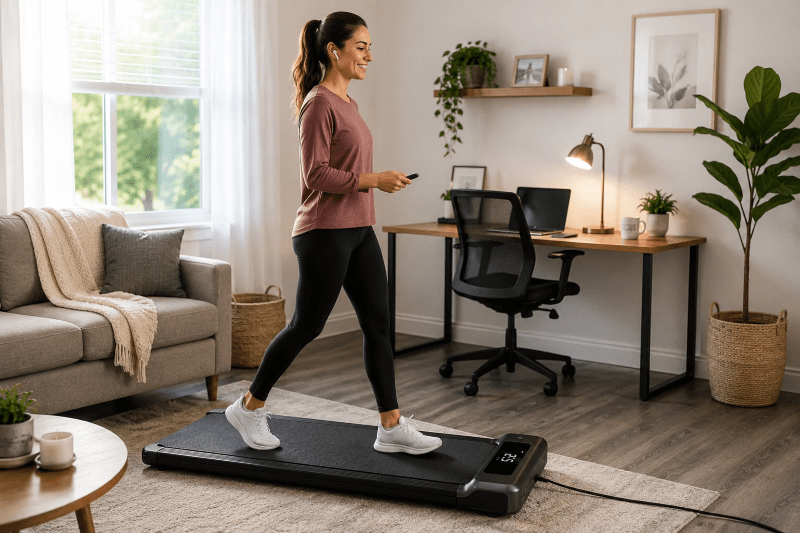
One of the easiest ways to maintain a walking routine during winter is to bring the activity indoors. You do not necessarily need a treadmill, exercise equipment or a gym membership. Indoor walking can be adapted to your available space, schedule and fitness level, making it a convenient option for people who prefer exercising at home.
Walking around your home is a simple place to start. You might walk through a hallway, move between rooms or walk in place while watching a television program. Although it may seem less interesting than heading outside, these short periods of movement can help break up time spent sitting. You can begin with a few minutes and gradually increase the duration as you become more comfortable.
Another option is to follow an indoor walking workout online. Many instructors offer routines designed for people who want to exercise without jumping, running or using specialized equipment. These videos often combine walking in place with gentle side steps, changes of direction and simple arm movements. Some are designed specifically for beginners or people who prefer lower-impact activity. Choose a routine that matches your current abilities rather than feeling pressured to keep pace with an instructor.
If you prefer getting out of the house, an indoor shopping centre may offer another opportunity. Some shopping centres welcome early morning walkers, while others provide comfortable indoor spaces where you can walk during regular operating hours. You can check whether your local shopping centre has a designated walking program or specific hours for people who want to exercise before the stores open. Walking with a friend can also make the experience more enjoyable and give you a reason to get out on days when you might otherwise stay home.
A treadmill is another option for those who have access to one. It allows you to walk at a consistent pace without worrying about snow, ice or outdoor temperatures. You can adjust the speed according to your comfort level and break your session into shorter periods if necessary. However, purchasing exercise equipment is not essential. The most important thing is finding an indoor activity that you can realistically continue doing.
Why Pilates Can Complement Your Winter Walking Routine
Walking and Pilates offer different types of physical activity, which is one reason they can work well together. Walking is primarily an aerobic activity, while Pilates involves controlled movements that challenge different muscle groups. Combining the two can help create a more varied fitness routine, particularly during months when outdoor recreational activities are limited.
Pilates is also convenient during winter because many mat-based sessions can be completed at home. You do not have to travel to a fitness facility or depend on the weather to participate. You can follow a guided class, attend an in-person session or set aside time for a home workout that fits your schedule. This flexibility can make it easier to maintain some structure in your week.
If you are unfamiliar with Pilates or wondering why people incorporate it into their regular exercise routines, you may enjoy reading 5 Benefits of Doing a Regular Pilates Workout. It explores the broader benefits of making Pilates part of an ongoing fitness routine.
You do not need to make every workout lengthy or complicated. Some days might include a walk, while other days are better suited to an indoor Pilates session. The important thing is to avoid relying on only one type of activity if you want a more varied approach to fitness. Your routine should also leave room for rest, especially when you are getting accustomed to exercising more regularly.
How to Fit Exercise Into a Busy Winter Schedule
Finding time to exercise can be difficult at any time of year, but winter can add extra obstacles. Work, family responsibilities, household tasks and unpredictable weather can make it tempting to postpone physical activity until another day. One way to overcome this is to stop thinking of exercise as something that must happen in one long session.
For example, you might take a short indoor walk before breakfast, spend a few minutes moving around during your lunch break and complete a longer session later in the day. Breaking up activity can make it feel less demanding, particularly if you are returning to exercise after several months of inactivity. You can also schedule Pilates on days when you know you will have more time at home.
It helps to have a flexible plan rather than a rigid schedule. If you intended to walk outdoors but wake up to freezing rain, switch to an indoor walking video. If you are tired after a busy day, consider a shorter period of gentle movement instead of abandoning the routine entirely. Your weekly schedule should be something you can adjust without feeling that you have failed whenever circumstances change.
For general health, Canadian physical activity recommendations encourage adults to work towards at least 150 minutes of moderate-to-vigorous aerobic activity each week, along with muscle-strengthening activities. Older adults are also encouraged to include activities that challenge balance. These are longer-term targets, not requirements that someone who is just beginning must achieve immediately. Start with an amount that feels manageable and build gradually.
Staying Active During Winter After 50
For many women over 50, staying active is about much more than weight management. Maintaining the ability to move comfortably, participate in everyday activities and remain independent can become increasingly important. However, it is also a time when people may notice changes in their energy levels, flexibility, strength or confidence when exercising.
Winter can make these challenges more noticeable because icy surfaces and uneven snow can create additional concerns about falling. This is one reason it is worth considering activities that can be performed safely indoors. Indoor walking and appropriately modified exercise routines allow you to remain active without having to navigate slippery outdoor conditions.
It is also important to recognize that everyone’s fitness level is different. Some people may be comfortable taking longer outdoor walks, while others prefer short indoor sessions or activities that can be completed while holding onto a stable support. There is no single routine that works for every person. Choose activities that reflect your abilities and make adjustments when necessary.
If you have an existing injury, joint concerns, balance difficulties or a health condition that affects your ability to exercise, speak with a qualified healthcare professional about suitable activities. A physiotherapist or appropriately trained exercise professional may also help you identify modifications that allow you to remain active while respecting your limitations.
How to Stay Motivated Until Spring
January enthusiasm can fade quickly when the weather remains cold and grey for weeks. You might begin the month with ambitious plans, only to find that your motivation disappears after a few missed walks. Rather than setting goals that depend on perfect weather or an ideal schedule, concentrate on habits that can continue even when circumstances are less than favourable.
One approach is to set goals that are based on consistency rather than weight or appearance. You might decide to include several walking sessions each week, try a new indoor workout or set aside specific days for Pilates. These goals give you something practical to work towards without making every workout feel like a test of willpower. You can also keep a simple calendar to track your activity and recognize the progress you are making.
Having an indoor backup plan is particularly helpful. If you know which walking videos you enjoy, where you can walk indoors or when your next Pilates session is scheduled, you are less likely to abandon your plans when the weather changes. Inviting a friend to join you can also provide encouragement and make exercise feel more like an enjoyable part of your week.
Most importantly, allow yourself some flexibility. There will be days when you have more energy and time than others. A shorter workout is still an opportunity to move, and a rest day does not mean you have lost your progress. Instead of waiting for warmer weather or the perfect moment to start again, look for small ways to remain active throughout the season.
Frequently Asked Questions About Winter Walking and Exercise
Is walking outdoors in winter safe?
Walking outdoors can be safe when weather and surface conditions are suitable. Check the forecast, choose cleared pathways, wear warm clothing and supportive footwear with good traction, and slow down on potentially slippery surfaces. If freezing rain, black ice or severe weather makes walking hazardous, choose an indoor activity instead.
What can I do for exercise when it is too cold to walk outside?
There are several indoor alternatives, including walking in place, following an indoor walking video, using a treadmill, walking around your home or visiting an indoor shopping centre. You can also incorporate Pilates or another suitable home workout into your weekly routine.
Does indoor walking count as physical activity?
Yes. Walking indoors can contribute to your overall physical activity, even if you are not covering the same distance as you would outside. The duration and intensity will depend on how you move and your fitness level. Shorter sessions throughout the day can also help reduce the amount of time you spend sitting.
Should I stop exercising during a Canadian winter?
There is generally no reason to stop physical activity simply because winter has arrived. However, you may need to change how and where you exercise. When outdoor conditions are unsafe, indoor walking, home workouts and other suitable activities can help you maintain a routine.
Final Thoughts: Keep Moving, Even When Winter Gets in the Way
Canadian winters can make it harder to maintain an exercise routine, but they do not have to bring your fitness goals to a complete standstill. Some days may be suitable for a refreshing outdoor walk, while others are better spent walking indoors or completing a Pilates session at home. Having different options allows you to adjust your plans without giving up on physical activity altogether.
You do not need to make January the month of exhausting workouts or unrealistic expectations. Start with activities that fit your current fitness level, make safety a priority and find ways to enjoy moving your body. By building a flexible routine that works in both good and bad weather, you can carry those habits well beyond winter and into the spring months.