

How to Clean and Maintain Butcher-Block Countertops
8 min read
1512 words
Butcher-block countertops can bring warmth and natural beauty to a kitchen, but keeping them looking their best requires a little more attention than some other countertop materials. Unlike quartz or laminate, wood responds to moisture, temperature changes and everyday wear. Without proper care, the surface can become dry, stained or scratched.
The good news is that maintaining butcher block does not have to be complicated. With the right cleaning routine, suitable products and occasional maintenance, wood countertops can remain attractive and functional for many years.
If you are still deciding whether wood is the right choice for your kitchen, our guide to the pros and cons of butcher-block countertops explains what homeowners should consider before choosing this type of surface.
How to Clean Butcher-Block Countertops Every Day
Regular cleaning is one of the simplest ways to protect a wood countertop. After preparing food, wipe the surface with a soft cloth or sponge, warm water and a small amount of mild dish soap. Avoid soaking the wood or leaving wet cloths sitting on the countertop.
Once the surface has been cleaned, wipe away any remaining soap with a clean, damp cloth and dry it thoroughly with a towel. Pay particular attention to seams, edges and areas around the sink, where moisture can collect.
It is best to clean spills as soon as possible rather than allowing liquids to sit on the wood. Coffee, tea, wine, fruit juice and other strongly coloured foods can leave marks if they penetrate the finish. Prompt attention can help prevent staining and reduce the amount of work needed later.
What Cleaning Products Are Safe for Butcher Block?
The finish on your countertop determines which cleaning products are appropriate. For many everyday cleaning tasks, mild dish soap and warm water are sufficient. Harsh abrasive cleaners, scouring pads and products containing strong chemicals may damage the finish or leave the wood looking dull.
Avoid using excessive amounts of water, as prolonged moisture exposure can cause problems even when the countertop has been treated. You should also avoid applying household disinfectants or bleach without first checking the manufacturer’s recommendations. Some products can discolour wood or interfere with its protective finish.
If your countertop has a particular oil, wax or commercial sealer, follow the care instructions supplied by the manufacturer. A cleaning method suitable for one finish may not be appropriate for another.
How Often Should You Oil Butcher-Block Countertops?
Oil-finished butcher block needs periodic conditioning to help prevent the wood from drying out. Food-grade mineral oil is commonly used for this purpose, but it is important to choose a product specifically intended for butcher block or food-contact wood surfaces.
How often you need to apply oil depends on the type of wood, the finish, how frequently the countertop is used and the conditions in your kitchen. Rather than following a rigid schedule, look for signs that the surface is becoming dry or losing its rich appearance. Wood that looks dull, feels dry or absorbs water more readily may need attention.
Before applying mineral oil, clean the countertop and allow it to dry completely. Apply a generous, even coating following the product instructions, allowing the wood time to absorb the oil. Wipe away any excess with a clean cloth. Do not leave a heavy layer of oil sitting on the surface.
One important distinction is that mineral oil is not suitable for every butcher-block countertop. A surface finished with polyurethane or another film-forming sealer generally requires different care. Applying oil to a sealed surface will not provide the same conditioning benefits and may leave an unwanted residue. Always identify the finish before choosing a maintenance product.
How to Remove Stains from Butcher-Block Countertops
Stains can happen even when you are careful. Coffee, tea, berries, wine and food spills may leave discoloured areas, particularly if the wood is not adequately protected.
Start by wiping the affected area with a soft cloth and mild dish soap. Avoid scrubbing aggressively, as this can damage the finish or spread the stain. If the mark remains, consult the countertop manufacturer’s cleaning recommendations before trying a stronger treatment.
Some surface stains on unfinished or oil-finished wood may be removed with careful sanding, followed by cleaning and reapplying the appropriate finish. However, sanding is not suitable for every countertop. A sealed or varnished surface may require a different repair process, and removing too much material can change the appearance of the wood.
For stubborn or deep stains, it may be worth consulting a countertop refinishing professional rather than experimenting with household chemicals.
How to Repair Scratches and Minor Damage
One advantage of solid wood butcher block is that certain types of damage can be repaired. Small scratches and superficial marks may be improved with light sanding, provided the countertop construction and finish allow it.
For an oil-finished countertop, the affected area may need to be sanded carefully in the direction of the wood grain. Use an appropriate fine-grit sandpaper and avoid removing more material than necessary. Once the dust has been removed and the surface is clean, reapply the recommended food-safe finish according to the manufacturer’s instructions.
Deeper scratches, dents and gouges may require more extensive work. It is important to remember that sanding a countertop with a film-forming finish can remove the protective coating and create an uneven appearance. In those cases, the entire affected section may need to be refinished.
If the damage is extensive, professional refinishing may be the better option.
Protecting Butcher Block Around the Sink
Areas around the kitchen sink deserve extra attention because they are exposed to water more frequently than other parts of the countertop. Even a well-maintained wood surface can be damaged if water repeatedly collects around the faucet, sink edges or seams.
Wipe up splashes after washing dishes and avoid leaving wet sponges, dishcloths or containers sitting on the wood. Check the seal around the sink periodically for gaps or signs of deterioration. If water begins to penetrate the countertop, address the problem before it leads to swelling, staining or more serious damage.
When planning a kitchen renovation, consider whether butcher block is the best choice for the area immediately surrounding the sink. Some homeowners prefer to use wood on an island or another section of the kitchen and choose a more water-resistant material around the sink.
How to Prevent Scratches and Everyday Wear
A few simple habits can help reduce damage to butcher-block countertops. Use cutting boards rather than chopping directly on the surface, particularly when preparing raw meat, poultry or fish. Cutting boards also help prevent knife marks and make cleaning easier.
Use trivets or heat-resistant mats beneath hot pots, pans and baking dishes. Although wood is not as likely to chip as some stone surfaces, direct contact with hot cookware can scorch or discolour it.
Avoid dragging heavy appliances or cookware across the countertop. Lifting items rather than sliding them can help prevent scratches. It is also sensible to use protective pads beneath appliances that remain on the counter.
These small precautions can make a noticeable difference in how well the countertop holds up over time.
When Should You Refinish Butcher-Block Countertops?
Even with regular cleaning and maintenance, butcher block may eventually need more than a fresh coat of oil. If the surface has widespread staining, deep scratches, worn areas or a damaged finish, refinishing may be necessary.
The process depends on the type of countertop and its existing treatment. Oil-finished surfaces may require sanding and reapplication of an appropriate food-safe finish. Countertops with polyurethane or another protective coating may need the old finish removed and a new coating applied.
Before starting a refinishing project, check the manufacturer’s instructions. If you are unsure about the finish or the amount of sanding required, a professional can help prevent unnecessary damage.
Common Butcher-Block Maintenance Mistakes to Avoid
Some of the most common problems with wood countertops come from habits that are easy to overlook. Leaving standing water on the surface, using abrasive cleaners, neglecting a worn finish and applying the wrong maintenance product can all shorten the life of the countertop.
Another mistake is assuming that every butcher-block surface should be treated with mineral oil. While this is a common choice for oil-finished wood, sealed countertops have different requirements. Knowing which finish you have is essential before applying any product.
It is also important not to use a butcher-block countertop as a replacement for a proper cutting board unless it is specifically designed and maintained for that purpose. Separate cutting boards are easier to clean thoroughly and help protect the appearance of the wood.
Keeping Your Butcher-Block Countertops Looking Their Best
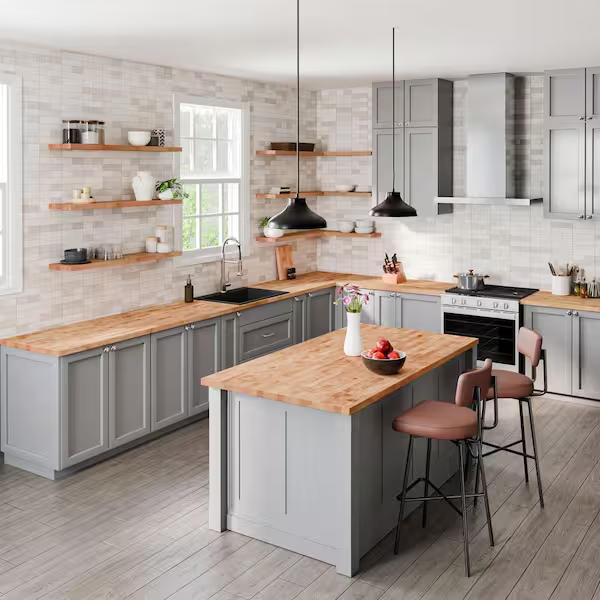
Butcher-block countertops reward homeowners who are willing to give them regular attention. A simple cleaning routine, prompt attention to spills and the correct maintenance for the existing finish can help preserve the natural beauty of the wood.
Unlike some manufactured surfaces, wood can often be repaired and refreshed when everyday life leaves its mark. With sensible care and a little preventative maintenance, butcher block can remain a welcoming and practical feature in your kitchen for years to come.