Signs Your Home’s Air Quality Is Affecting Your Health
10 min read
1906 words
Take a moment and think about where you spend most of your time. For many of us, the answer is our homes. We eat, sleep, work, and raise our families within four walls, breathing the same air over and over. But have you ever stopped to consider the quality of that air? Indoor air quality (IAQ) is a critical yet often overlooked aspect of a healthy home. While we associate pollution with smoggy cities, the air inside our homes can sometimes be two to five times more polluted than outdoor air. Poor IAQ isn’t just about comfort; it can directly affect your health, disrupt your sleep, diminish your productivity, and trigger a range of mysterious ailments. In this guide, we’ll help you become a detective in your own home. You’ll learn to recognize the telltale signs that your home’s air quality might be the culprit behind certain health issues, identify common sources of indoor pollution, and discover simple, effective steps you can take today to create a healthier living space for you and your family.
What Is Indoor Air Quality (IAQ)?
In simple terms, indoor home air quality refers to the condition of the air within and around your home, especially as it relates to the health and comfort of its occupants.
Common Indoor Air Pollutants A variety of microscopic particles and gases can contaminate your home’s air, including:
- Particulates: Dust, pollen, pet dander, and mold spores.
- Volatile Organic Compounds (VOCs): Gases emitted from solids or liquids like paints, cleaning supplies, new furniture, and building materials.
- Biologicals: Mold, mildew, bacteria, and viruses.
- Combustion Byproducts: Carbon monoxide, nitrogen dioxide from gas stoves, and smoke.
- Gases: Radon (a naturally occurring radioactive gas) and carbon dioxide from human respiration.
Why Modern Homes Trap Pollutants Ironically, the energy-efficient design of modern homes, which makes them great for keeping heating and cooling costs low can also seal them up tightly. This reduced ventilation means pollutants have nowhere to go and simply build up inside, increasing our exposure.
Who Is Most Vulnerable? While poor air quality can affect everyone, certain groups are more sensitive:
- Children: Their lungs are still developing, and they breathe more air per pound of body weight than adults.
- Older Adults: They may have undiagnosed or existing respiratory and cardiovascular conditions.
- People with Asthma or Allergies: Pollutants are direct triggers for flare-ups and increased symptoms.
- Individuals with Chronic Health Conditions: Conditions like heart disease or COPD can be exacerbated.
Common Sources of Indoor Air Pollution
Understanding the sources is the first step toward your home’s indoor air quality control. Here’s where common pollutants hide:
1. Dust and Dust Mites Dust accumulates in carpets, upholstery, bedding, and on flat surfaces. It’s a mix of skin cells, fibers, and dirt that serves as a feast for microscopic dust mites, whose droppings are a potent allergen.
2. Pet Dander If you have furry friends, their dander (tiny flakes of skin) and saliva proteins can become airborne and settle deep into carpets, furniture, and air ducts, causing persistent allergic reactions.
3. Mold and Mildew These fungi thrive in damp, poorly ventilated areas like bathrooms, basements, under sinks, and around windows. Besides triggering allergies and asthma, mold releases spores and mycotoxins that can lead to more serious health issues.
4. Household Cleaning Products Many conventional cleaners, air fresheners, and laundry detergents contain chemicals like ammonia, chlorine, and phthalates. These can release VOCs into the air, contributing to respiratory irritation and headaches.
5. Cooking Fumes Using a gas stove releases nitrogen dioxide and particulate matter. Even electric stoves and certain cooking methods (like frying) produce fumes that can irritate the lungs if not properly ventilated.
6. Tobacco Smoke and Vaping Secondhand smoke contains over 7,000 chemicals, hundreds of which are toxic and about 70 can cause cancer. Vaping aerosols also contain harmful substances, including nicotine, ultrafine particles, and flavorings.
7. Furniture, Paint, and Building Materials New furniture, flooring, carpeting, and paint often undergo “off-gassing,” where VOCs like formaldehyde are slowly released into the air for months or even years after installation.
Signs Your Home’s Air Quality May Be Affecting Your Health
This is the core of the issue. Pay attention if you or your family members experience these symptoms, especially if they seem to improve when you leave home.
- Frequent Headaches: Poorly ventilated spaces allow pollutant levels to rise, which can trigger headaches or migraines.
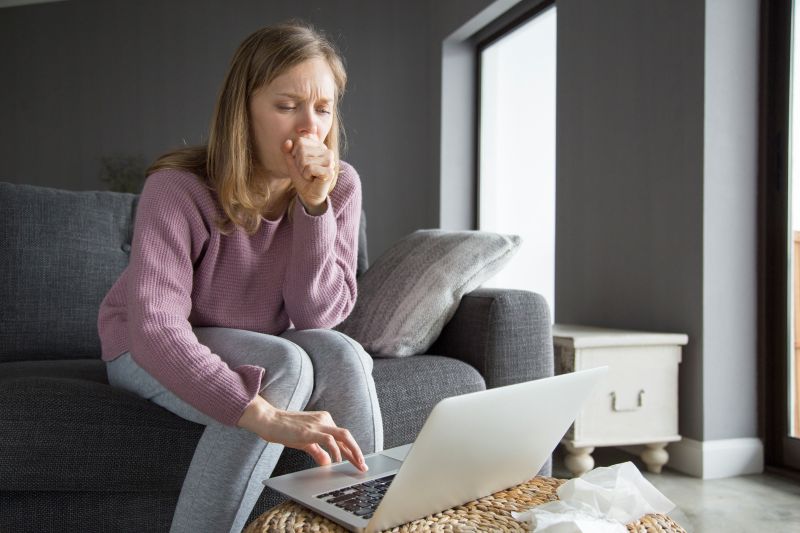
- Persistent Coughing: A dry, hacking cough with no cold or flu could be your lungs’ response to airborne irritants.
- Allergy Symptoms That Never Seem to Go Away: Sneezing, a runny nose, congestion, and itchy eyes that don’t follow a seasonal pattern may point to indoor allergens like dust mites or pet dander.
- Increased Asthma Flare-Ups: If you’re using your inhaler more often at home, an indoor trigger is likely present.
- Dry Eyes, Nose, and Throat: Low humidity combined with airborne irritants can cause this classic trio of discomfort.
- Fatigue and Brain Fog: A stuffy, stagnant room with high carbon dioxide levels from poor ventilation can make you feel lethargic and unable to concentrate.
- Difficulty Sleeping: Nighttime coughing, congestion, or just a general feeling of unease can rob you of rest. Air quality plays a direct role here.
- Skin Irritation: Unexplained dry skin, rashes, or eczema flare-ups can sometimes be linked to environmental irritants and low humidity.
- Lingering Musty Odors: That damp, earthy smell is a telltale sign of mold or mildew growth hiding somewhere in your home.
- Symptoms Improve When You Leave Home: This is one of the strongest indicators. If you feel fine at work or on vacation but symptoms return when you’re back home, it’s time to investigate your indoor environment.
Who Is Most at Risk in Your Home?

While anyone can suffer from poor IAQ, keep a special eye on:
- Young Children with developing respiratory systems.
- Older Adults who may have more fragile health.
- Family members with Asthma or Allergies.
- Anyone with a Chronic Health Condition like heart disease or a weakened immune system.
How to Check Your Home’s Air Quality
You don’t need complex equipment to start. Begin with observation:
- Watch for Visible Warning Signs: Look for condensation on windows, visible mold growth (even small spots), or excessive dust buildup.
- Monitor Humidity Levels: Use an inexpensive hygrometer. The ideal indoor relative humidity is between 30% and 50%. Too high promotes mold; too low irritates airways.
- Consider an Air Quality Monitor: Consumer-grade devices can measure particulate matter (PM2.5), VOCs, and CO2 levels, giving you real-time data on your air.
- Schedule HVAC Maintenance: Have your heating and cooling system inspected annually. A clean system with a fresh filter moves air more efficiently and filters out more pollutants.
Simple Ways to Improve Your Indoor Air Quality
Improving your IAQ doesn’t require a full home renovation. Small, consistent changes make a big difference.
- Change HVAC Filters Regularly: This is the easiest win. Check your filter monthly and replace it at least every 90 days (or more often if you have pets or allergies).
- Increase Ventilation: Open windows for a few minutes each day to dilute indoor pollutants. Use exhaust fans in kitchens and bathrooms to vent moisture and fumes outside.
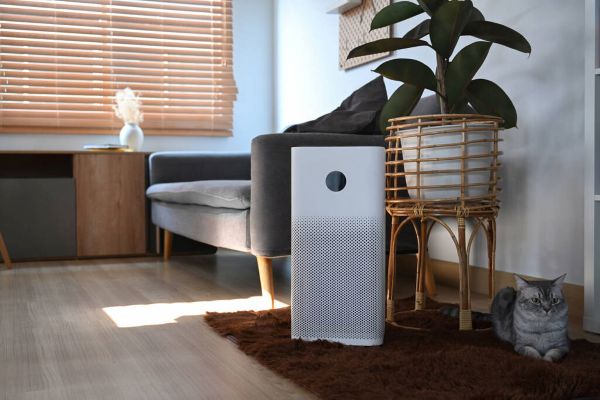
- Use an Air Purifier: A portable air purifier with a HEPA filter can effectively capture particulates like dust, pollen, and pet dander in a single room. Note: They don’t remove VOCs or radon.
- Control Humidity: Use dehumidifiers in damp basements or humid climates. Ensure clothes dryers are vented outside.
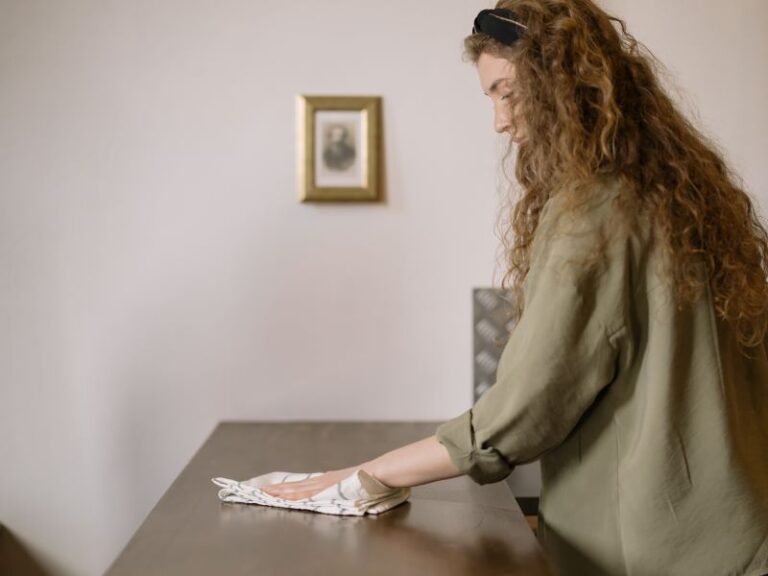
- Vacuum and Dust Frequently: Use a vacuum with a HEPA filter to prevent allergens from becoming airborne. Damp-dust surfaces to trap dust instead of spreading it.
- Reduce Chemical Exposure: Choose fragrance-free, low-VOC or VOC-free paints, cleaning products, and air fresheners. Let new furniture air out in a well-ventilated area.
- Keep Indoor Plants in Perspective: While some plants like snake plants or spider plants are often touted for air purification, you would need an indoor jungle to make a significant difference. They are great for well-being, but not a primary solution. If you’ve recently moved into a new home, creating a healthier indoor environment is only one part of feeling comfortable in your space. You may also enjoy reading our guide on how to make a new house feel familiar before it feels like home.
When to Call a Professional
Some problems require expert intervention:
- Mold Inspection: If you suspect extensive mold growth behind walls or in your HVAC system, consult a certified mold remediation specialist.
- HVAC Evaluation: If you notice a musty smell when your system runs, uneven airflow, or dust blowing from vents, your ductwork may need professional cleaning.
- Comprehensive Air Quality Testing: For serious, unresolved health concerns or to test for specific pollutants like radon, asbestos, or lead, hire a certified indoor environmental professional.
Frequently Asked Questions
Can poor home air quality cause headaches? Yes. Headaches are a common symptom. Pollutants like VOCs, carbon monoxide, and even high levels of particulate matter can trigger headaches in sensitive individuals.
How do I know if mold is affecting my health? Health effects vary. Allergic symptoms (sneezing, runny nose, red eyes) are most common. Asthma attacks and respiratory infections can also occur. The only way to know for sure is to eliminate mold from your environment and see if symptoms improve.
Are air purifiers worth it? For capturing airborne particles like dust, pollen, and pet dander, a HEPA air purifier is very effective. They are most beneficial in bedrooms where you spend 7-8 hours a night. They are not, however, a fix for chemical VOCs or moisture problems.
What is the ideal indoor humidity level? The sweet spot is 30% to 50%. This range minimizes mold growth and dust mite proliferation while preventing dry skin and irritated airways.
Can new furniture affect air quality? Absolutely. New furniture, especially pressed wood products, can be a major source of formaldehyde and other VOCs. This “off-gassing” is strongest when new but can continue for years. Choose furniture labeled as low-VOC or look for solid wood alternatives.
How Poor Indoor Air Quality Can Affect Mental Health
Many people associate poor air quality with coughing and allergies, but research suggests it may also affect mood and cognitive performance.
Increased Stress and Irritability
Poor ventilation and elevated carbon dioxide levels can contribute to feelings of stress, irritability, and discomfort.
Reduced Concentration
Indoor pollutants may make it harder to focus, particularly in home offices and study spaces.
Lower Energy Levels
People exposed to stale indoor air often report fatigue and reduced productivity throughout the day.
Conclusion: Breathe Easier in Your Home
If you’ve been experiencing headaches, allergies, fatigue, brain fog, or unexplained respiratory symptoms, your home’s air quality may be playing a larger role than you realize. Identifying the warning signs early can help protect your health and improve your overall quality of life.
Recognizing the signs that your home’s air quality may be affecting your health is the first and most important step. Many symptoms we chalk up to allergies, stress, or just “feeling off” can actually be traced back to the air we breathe indoors. By becoming aware of common sources from dust mites and pet dander to chemical off-gassing, you empower yourself to take action.
Your home should be your sanctuary. Ensure it’s one where you can truly breathe easy.
This article is intended for informational purposes only and should not be considered medical advice, diagnosis, or treatment. If you are experiencing persistent or severe health symptoms, consult a qualified healthcare professional or licensed medical provider.