
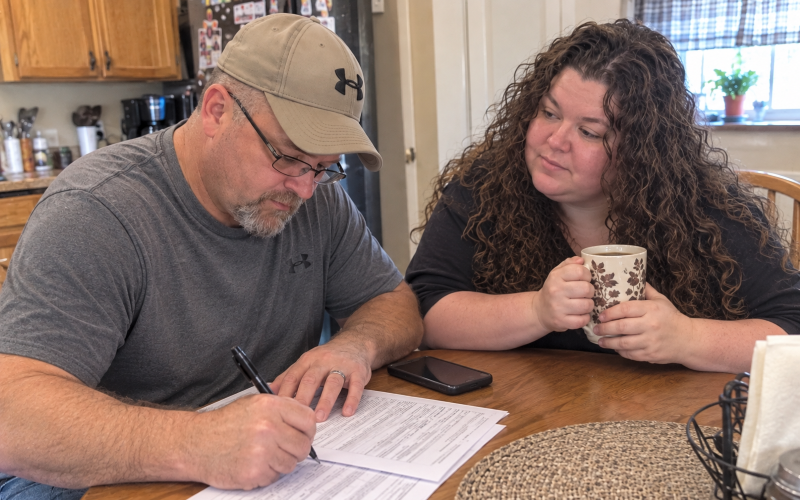
Managing Money for an Incapable Adult Child in Ontario
10 min read
1911 words
When an adult child has a disability and is legally incapable of managing their own finances, protecting their money can become a significant responsibility for parents and family members. This is especially true when the money legally belongs to the adult child, whether it comes from employment, an inheritance, savings, compensation payments or another source.
Families may want to invest that money so it can grow and help provide financial security over the years. However, managing another person’s money involves more than choosing a savings account, GIC or investment fund. There are legal responsibilities, government benefit rules and long-term considerations that need to be understood before making financial decisions.
In Ontario, there are specific arrangements for managing the property of an adult who is incapable of making financial decisions. Understanding these arrangements can help families protect their loved one’s assets while making decisions that support their present and future needs.
Understanding Who Has the Legal Authority to Manage the Money
A disability does not automatically mean that an adult is incapable of managing their finances. Under Ontario law, capacity is assessed in relation to the particular decision. A person is generally considered incapable of managing property when they cannot understand information relevant to making a decision about their property or appreciate the reasonably foreseeable consequences of making or not making that decision.
When an adult is found incapable of managing property, someone with the proper legal authority may need to manage their financial affairs. This could involve an attorney acting under a valid continuing power of attorney for property or a legally appointed guardian of property.
A continuing power of attorney must have been properly made while the person had the required capacity to grant it. A parent cannot simply assume they have financial authority because they are the person’s mother or father, even when they provide most of their daily care.
If there is no valid power of attorney, a guardian of property may need to be appointed through the appropriate Ontario process. Depending on the circumstances, this may involve the Ontario Superior Court of Justice or the Office of the Public Guardian and Trustee.
The Ontario government’s Guardianship information explains the different arrangements and responsibilities.
What Does a Guardian of Property Do?
A guardian of property is legally responsible for managing the incapable adult’s financial affairs. This may include looking after bank accounts, investments, income, property and other assets.
The guardian must manage the money for the benefit of the adult child. It is not the guardian’s personal money, even when the guardian is a parent who has spent years caring for their son or daughter.
This distinction is important. The money cannot be treated as family savings or used for the parent’s own expenses. Financial decisions must be made with the adult child’s needs and best interests in mind.
Ontario’s Substitute Decisions Act, 1992 sets out the responsibilities of guardians and attorneys acting under continuing powers of attorney. These responsibilities include making necessary expenditures for the person’s support, education and care, and managing their property appropriately.
A guardian may also have to prepare and follow a management plan. Records of income, expenses, investments and other financial decisions should be maintained carefully.
Families can read the Substitute Decisions Act, 1992 for more information. Because the responsibilities can be significant, obtaining legal advice before making investment decisions is sensible.
Can You Invest Money That Belongs to Your Adult Child?

Yes, money belonging to an incapable adult may be invested by someone who has the proper legal authority, provided the investment decisions are permitted by that authority and comply with the applicable legal responsibilities.
However, investing on another person’s behalf is different from investing your own savings. The goal should not simply be to achieve the highest possible return. The guardian or authorized decision-maker must consider the adult child’s financial circumstances, current needs, future expenses, income, government benefits and ability to absorb investment losses.
For example, money that may be needed for living expenses, dental work, mobility equipment, personal care or other costs in the near future should not automatically be placed in investments that could lose value or be difficult to access.
Depending on the circumstances, options to discuss with a qualified financial professional may include:
- High-interest savings accounts for money that needs to remain accessible.
- Guaranteed Investment Certificates (GICs) for funds that can be set aside for a specific period.
- Conservative investment portfolios designed around the person’s financial needs and time horizon.
- Registered Disability Savings Plans, if the adult child qualifies and the appropriate plan-holder arrangements can be established.
There is no single investment strategy that suits every adult with a disability. The amount of money, the person’s age, their benefits, their living arrangements and their future care requirements all matter.
For readers who are unfamiliar with investing, our guide to Investing for Beginners offers an introduction to investment basics, financial planning and getting started.
Understanding the Registered Disability Savings Plan
A Registered Disability Savings Plan, commonly called an RDSP, is an important financial planning option for eligible Canadians with disabilities.
To qualify, the beneficiary must generally be eligible for the Disability Tax Credit and meet the other federal requirements. An RDSP is designed to help provide long-term financial security. Contributions can grow on a tax-deferred basis, and eligible contributions may qualify for Canada Disability Savings Grants. Some beneficiaries may also qualify for Canada Disability Savings Bonds, even when they or their families do not make contributions.
An RDSP is not an ordinary savings account. It has specific rules governing contributions, withdrawals, government grants and bonds. Withdrawals can also trigger the repayment of certain grants and bonds under the applicable rules.
There is another important consideration when the adult beneficiary is incapable of entering into a contract. The beneficiary may need a legally authorized representative to act as the RDSP holder. Federal rules also allow certain qualifying family members, including a parent or adult sibling, to become a plan holder in specified circumstances when an adult beneficiary cannot open a plan independently and does not have a legal representative.
Families should confirm the current requirements with the financial institution offering the RDSP and consult the federal government’s information about who can open an RDSP.
How an RDSP Can Affect ODSP Eligibility
For Ontario families, the relationship between investments and the Ontario Disability Support Program (ODSP) deserves particular attention.
The good news is that funds held in an RDSP are fully exempt as assets when ODSP determines financial eligibility. Ontario’s policy does not impose a maximum asset limit on this exemption.
This can make an RDSP a valuable part of long-term financial planning for an eligible person receiving ODSP.
However, not every investment receives the same treatment. Money held in an ordinary bank account, non-registered investment account or other financial arrangement may be assessed differently. The rules depend on the type of asset, how it is held and the circumstances involved.
Ontario also has specific rules for certain trusts. For example, an absolute discretionary trust, often called a Henson trust, may be exempt as an ODSP asset when it meets the legal requirements. However, families should not assume that simply placing money into a trust will protect benefits.
There is an especially important restriction: ODSP policy states that a recipient cannot take money or assets that already belong to them and place those funds into an absolute discretionary trust to avoid the asset rules. A trust must be structured properly, and its source of funds and terms matter.
You can review the Ontario government’s RDSP policy directive and Funds Held in Trust policy.
Before transferring money, opening an investment account or making a large withdrawal, families should speak with an experienced professional and confirm how the proposed arrangement will affect ODSP.
Why a Henson Trust May Not Be the Answer
Families sometimes hear about Henson trusts when researching financial planning for a person with a disability. These trusts can be useful in estate planning because a properly established absolute discretionary trust can protect inherited assets from being counted toward ODSP’s asset limit.
However, a Henson trust is not a simple way to move an adult child’s existing savings or investments out of their name.
There is a difference between money left to a person through an estate and money that already belongs to the ODSP recipient. The source of the money and the wording of the trust are important.
A trust company or lawyer experienced in disability and estate planning can explain whether a trust is appropriate, who can establish it, how it should be administered and what effect it may have on government benefits.
Families should obtain advice before attempting to transfer an adult child’s money into any trust arrangement.
Why Families Should Speak With a Trust Company or Estate-Planning Lawyer
When substantial money belongs to an adult who cannot manage their own financial affairs, professional guidance can be extremely valuable.
A trust company experienced in disability planning may be able to explain professional trust administration, investment management and the responsibilities involved in managing assets for someone who cannot manage them independently. Some families may also want to explore whether a trust company could serve as a trustee or provide other appropriate services.
A lawyer specializing in disability law, estate planning or substitute decision-making can help families understand guardianship, continuing powers of attorney, trust arrangements and the legal restrictions surrounding an incapable adult’s property.
It is worth speaking with both types of professionals when the financial situation is complicated. A lawyer can explain the legal authority and protections required, while a qualified financial professional can help assess suitable investment options within those legal boundaries.
When choosing professionals, ask about their experience working with adults with disabilities, their understanding of ODSP and RDSP rules, their fees, and how they handle reporting and record-keeping. Do not assume that a general investment adviser or estate-planning service understands the particular rules affecting disability benefits.
Keeping the Adult Child’s Best Interests at the Centre
Managing money for an adult child who cannot make their own financial decisions is a serious responsibility. It requires careful planning, good record-keeping and a clear understanding that the assets belong to the adult child.
Investment decisions should reflect the person’s current needs and future financial security. Protecting access to money for everyday expenses may be just as important as achieving long-term growth.
Whenever possible, the adult should also be included in discussions and decisions about their money in a way that reflects their abilities, preferences and wishes. Being incapable of managing property does not mean a person should be excluded from conversations about their own life.
Parents and caregivers often spend years advocating for their adult children. Learning about guardianship, RDSPs, ODSP exemptions and professional trust services can help them take another important step: protecting the financial resources that belong to their loved one.
A Final Word
Every family’s circumstances are different. The rules surrounding guardianship, investments, RDSPs, trusts and disability benefits can be complicated, particularly when an adult child already owns the money.
Before making investment decisions or transferring assets, seek advice from an Ontario lawyer familiar with disability and estate planning, and a qualified financial professional with experience in RDSPs and disability-related financial planning. Confirm any proposed changes with ODSP where applicable.
This article is intended for general educational purposes and is not legal, tax or investment advice. Laws, benefit rules and financial circumstances can change. Professional advice should be obtained before making decisions involving an incapable adult’s property.