

Best Products for Sinus Relief at Home
8 min read
1424 words
Sinus relief is often a priority when ongoing congestion, nasal irritation and postnasal drip make everyday activities uncomfortable. If you have been dealing with persistent sinus symptoms, you may be looking for practical ways to make your home more comfortable and support your treatment plan.
Fortunately, several products may help manage certain sinus symptoms. From saline nasal rinse kits to air purifiers and humidifiers, these products serve different purposes. Some help clear mucus, while others may reduce exposure to airborne irritants or make dry indoor air more comfortable.
If you would like to learn more about the condition itself, including its symptoms, causes and treatment options, read our guide to Understanding and Managing Chronic Sinusitis.
It is important to remember that home products do not cure chronic sinusitis or replace medical treatment. However, choosing the right products for your needs may make managing symptoms a little easier.
1. Saline Nasal Rinse Kits
A saline nasal rinse kit is one of the most useful products to consider if you experience persistent nasal congestion or thick mucus. Unlike a simple nasal spray, an irrigation system flushes saline solution through the nasal passages, helping remove mucus, allergens and other irritants.
Common options include squeeze bottles, neti pots and powered nasal irrigation devices. Squeeze bottles are relatively straightforward to use, while neti pots rely on gravity to move the saline solution through the nasal passages. Electric models provide another option for people who prefer a powered device.
Many kits include premeasured saline packets, which make preparing the solution easier. When choosing a kit, consider how comfortable it feels to use, how easy it is to clean and whether replacement bottles or accessories are available.
Important safety note: Never use untreated tap water in a nasal irrigation device. Use distilled or sterile water, or tap water that has been boiled and allowed to cool. Follow the manufacturer’s cleaning instructions and never share your device.
2. Saline Nasal Sprays
If you find nasal irrigation uncomfortable or simply want a convenient option, saline nasal sprays may be worth considering.
These sprays deliver a saltwater solution into the nostrils to help moisturize dry nasal passages and loosen mucus. They are generally easy to carry in a purse or keep beside your bed, making them convenient for everyday use.
Saline sprays come in different bottle sizes and delivery styles. Some provide a gentle mist, while others deliver a more targeted spray. Look for a simple saline product and check the ingredients if you have sensitivities.
Saline sprays and nasal irrigation systems are not interchangeable. Sprays provide moisture, while larger-volume irrigation can help flush mucus and debris from the nasal passages.
3. A Cool-Mist Humidifier
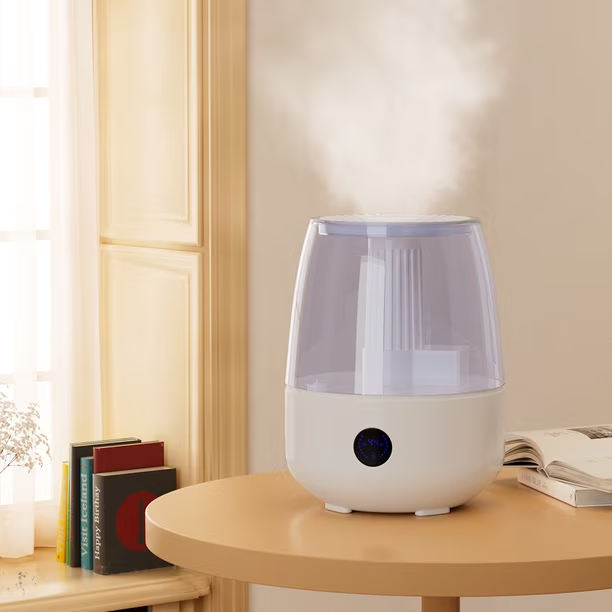
Dry indoor air can make your nose and throat feel uncomfortable, particularly during the winter months when heating systems are running regularly.
A cool-mist humidifier adds moisture to the air. Some people find this helps relieve the discomfort associated with dry nasal passages. However, a humidifier does not treat the underlying inflammation responsible for chronic sinusitis.
When shopping for one, consider the size of the room, water tank capacity, noise level and how easy the unit is to clean. A model with an adjustable humidity setting or built-in humidistat can make it easier to monitor moisture levels.
Avoid making the room excessively humid. High humidity can encourage mould and dust mites, potentially making allergy-related symptoms worse. A clean humidifier is essential, so check how frequently the manufacturer recommends cleaning and replacing filters.
4. An Air Purifier With a HEPA Filter
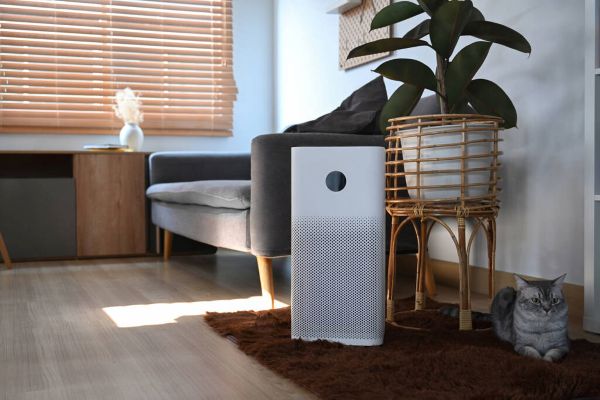
If dust, pet dander, pollen or other airborne particles aggravate your nasal symptoms, an air purifier may be worth considering.
A portable air purifier with a true HEPA filter is designed to capture airborne particles as air passes through the unit. This may help reduce certain indoor allergens, although it does not treat chronic sinusitis itself.
Before purchasing an air purifier, check the recommended room size and clean air delivery rate (CADR). A unit designed for a small bedroom may not be effective in a large living room. Replacement filter costs are also worth considering because filters need to be changed according to the manufacturer’s instructions.
If you have pets or live in an area with seasonal pollen, an air purifier in the bedroom may be a practical place to start.
5. Warm Compresses for Facial Pressure
A warm compress is a simple, inexpensive product that may help make facial discomfort feel more manageable.
Reusable microwaveable warm packs or soft gel compresses can be placed over the forehead, cheeks or bridge of the nose. Some people find the gentle warmth soothing when experiencing facial pressure.
Choose a product that is soft, comfortable and easy to clean. Always follow the heating instructions and check the temperature before placing it against your skin. Avoid applying anything excessively hot, particularly around the delicate eye area.
A warm compress may provide temporary comfort, but it does not open blocked sinus passages or treat the cause of chronic inflammation.
6. Comfortable Sleeping Pillows
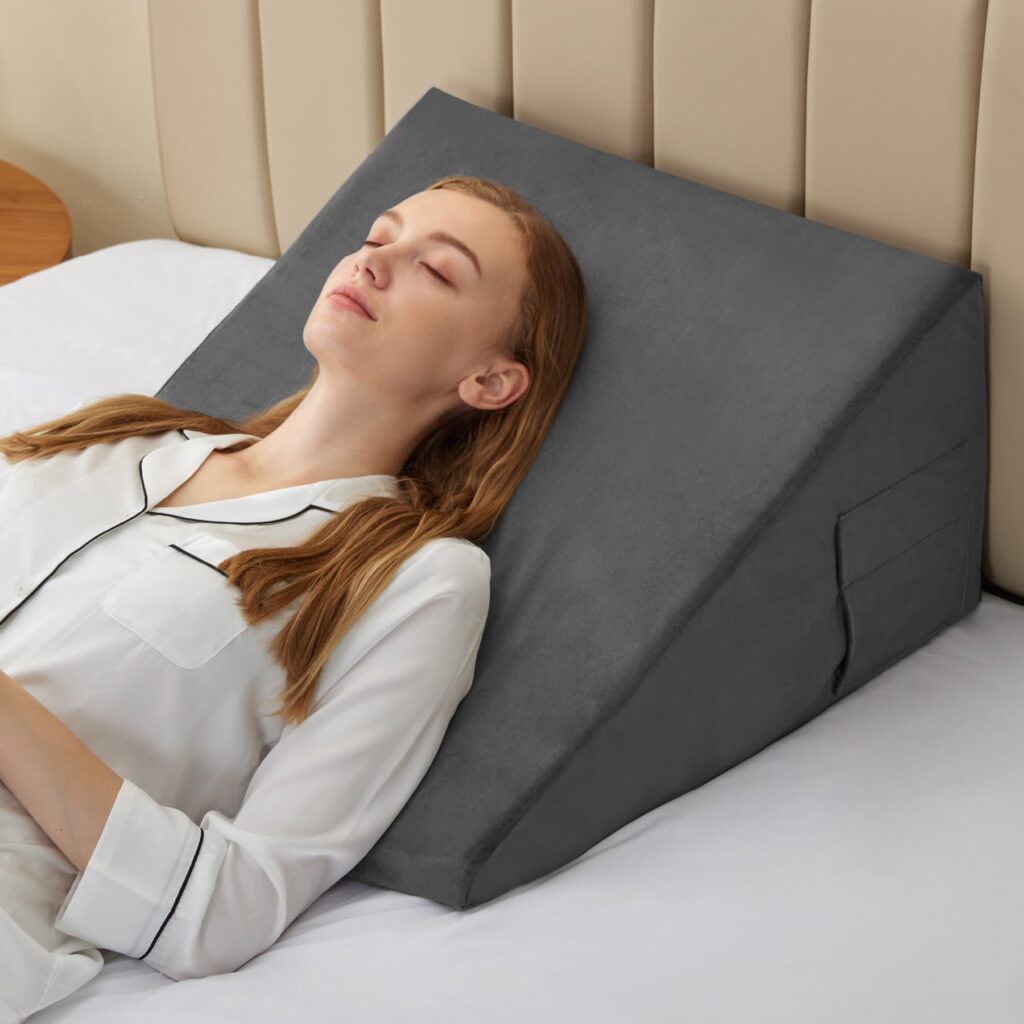
Sinus congestion can make it difficult to get comfortable at bedtime. Some people find that sleeping with their head slightly elevated makes nighttime congestion feel more manageable.
An adjustable bed wedge pillow or supportive extra pillow may be worth considering if you prefer a raised sleeping position.
Look for a pillow that supports your head and neck without forcing your chin toward your chest. Adjustable designs can be helpful because you can change the height to find a comfortable position.
A pillow is not a treatment for sinusitis, but improving your sleeping comfort may help when congestion interferes with rest.
7. Nasal Spray Storage and Organization
If your healthcare professional has recommended a daily nasal spray, keeping your supplies organized can make it easier to follow your treatment routine.
A small bathroom organizer or bedside storage container can hold saline sprays, prescribed nasal medications and other frequently used supplies. Choose something easy to clean and keep medications stored according to their package instructions.
It is also worth learning how to use nasal sprays correctly. Aim the nozzle slightly outward, away from the middle wall of your nose, rather than directing it straight upward or toward the septum. Follow the instructions supplied with your medication.
Do not start or combine medicated nasal sprays simply because they are available over the counter. Ask a pharmacist or healthcare professional which products are appropriate for you.
What Should You Look for When Shopping for Sinus Products?
Before purchasing products marketed for sinus relief, think about the symptoms you are trying to manage. Someone experiencing dry indoor air may benefit from a humidifier, while someone dealing with thick mucus may find a saline irrigation kit more useful.
It is also important to consider the ongoing costs. Humidifiers and air purifiers may require replacement filters, while nasal irrigation kits need regular cleaning and replacement parts. A lower-priced product is not necessarily the better value if replacement supplies are difficult to find or expensive.
Be cautious of products that promise to cure sinus infections, eliminate chronic sinusitis or provide instant relief. Advertising claims are not the same as medical evidence. If you have persistent symptoms, discuss treatment options with your healthcare professional.
Do These Products Replace Medical Treatment?
No. Products designed for home use may help with comfort and symptom management, but they do not replace medical assessment or treatment.
The 2025 adult sinusitis clinical practice guideline recommends saline nasal irrigation, topical intranasal corticosteroids or both for symptom relief in adults with chronic rhinosinusitis. Your healthcare professional can help determine which approach is suitable for you.
If your symptoms persist for 12 weeks or longer, keep returning or interfere with your daily activities, arrange an assessment. Treatment may involve medication, allergy management or referral to an ear, nose and throat specialist.
Final Thoughts

Managing sinus symptoms at home does not have to mean purchasing every product advertised as a sinus solution. A saline rinse kit, a suitable air purifier or a humidifier may be useful depending on your symptoms and home environment.
Start by identifying what is bothering you most, then choose products that serve a practical purpose. Pay attention to cleaning requirements, replacement costs and safety instructions before buying.
Most importantly, remember that persistent sinus symptoms deserve proper attention. The right combination of medical care and sensible home measures may help make everyday life more comfortable.
Medical Disclaimer: This article is for general informational purposes only and is not a substitute for professional medical advice, diagnosis or treatment. Always consult a qualified healthcare professional or pharmacist before starting a new treatment or using a medical device.