

Preparing for Parenthood: What You Need to Know
6 min read
1040 words
Becoming a parent is an exciting life change, but it can also bring plenty of questions about what to do before your baby arrives. From arranging medical care and preparing your home to budgeting for new expenses and finding support, there are many details to consider. Whether you’re expecting your first baby or growing your family through adoption, taking time to prepare can make the transition into parenthood feel more manageable.
You don’t need to have everything figured out before your child arrives. However, thinking ahead about your health, finances, living arrangements, and support network can help you feel more confident and ready for the changes ahead. Here are six areas worth considering as you prepare for this new chapter.
Medical and Health Preparations

If you’re expecting a baby, arranging regular prenatal care is one of the most important steps you can take. Appointments with an obstetrician, midwife, or other qualified healthcare professional allow you to monitor your health, follow your baby’s development, discuss screening options, and ask questions as your pregnancy progresses. These visits are also an opportunity to discuss labour, delivery preferences, medications, and any existing health conditions that may affect your care.
For expectant parents in the greater Richmond area, obstetric care in Richmond, VA is one option for accessing pregnancy-related medical care and guidance throughout pregnancy.
It’s also worth reviewing recommended vaccinations, health insurance coverage, and plans for postpartum care before your baby arrives. If you’re adopting, your preparation will look somewhat different. Depending on the adoption arrangement, you may need to coordinate medical records, understand your child’s healthcare needs, and arrange a healthcare provider for after placement. Planning ahead can help make those first appointments and early weeks less stressful.
Financial Planning and Budgeting
Preparing for a baby also means thinking about how your household finances may change. Pregnancy, delivery, diapers, clothing, childcare, and medical appointments can all add to your expenses. Reviewing your health insurance coverage and estimating out-of-pocket costs before the baby arrives can help you avoid surprises.
Consider how parental leave might affect your household income and whether you’ll need to arrange childcare when you return to work. It’s also a good time to review life insurance, disability coverage, and estate planning to make sure your growing family is protected. Setting aside some money for unexpected expenses, even if you can only save a little at a time, can provide extra peace of mind during the first months of parenthood.
Setting Up Your Home and Gear

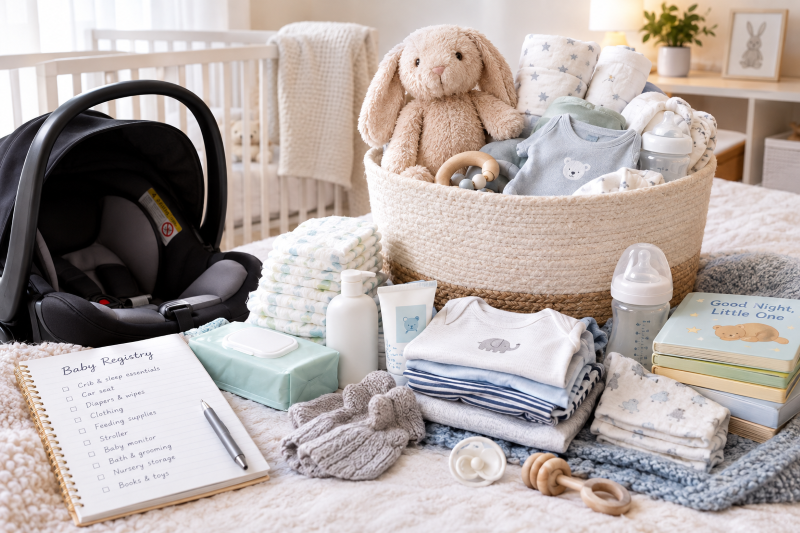
Your living space needs to be both safe and functional for a newborn. This includes installing appropriate furniture like a crib or bassinet, changing table, and safe sleep surface that meets current safety standards. Beyond major items, stock your home with essential supplies including diapers in multiple sizes, wipes, clothing in newborn and 0-3 month sizes, bedding that fits safely, and basic grooming supplies. Babyproofing becomes increasingly important as your child grows, so assess your home for hazards like unsecured furniture, accessible cords, and unlocked cabinets containing household chemicals or medications. Car seat installation is non-negotiable, as most hospitals will not discharge a newborn without proof of a properly installed seat. Taking time to research which gear genuinely serves your lifestyle, rather than purchasing every trending item, helps manage both clutter and expenses.
Building Your Support Network
Parenting is not meant to be done in isolation, yet many new parents feel unprepared for how much support they actually need. Identify trusted family members or friends who can provide practical help during the postpartum period, whether that means bringing meals, helping with household tasks, or providing childcare for older siblings. Consider joining local parent groups, online communities, or classes where you can connect with others navigating similar challenges and share experiences. If you’re returning to work, arranging childcare well in advance reduces last-minute stress and allows time to ensure your child is comfortable with the caregiver. Mental health support deserves particular attention, as postpartum depression and anxiety affect a significant portion of new parents. Knowing how to access counseling, support groups, or telehealth services before you need them ensures you can get help quickly if mood changes or anxiety emerge.
Education and Skill Development
Taking childbirth education classes provides practical knowledge about labor, delivery, pain management, and what to expect in the immediate postpartum period. Infant care classes teach essential skills like diaper changing, bathing, feeding, swaddling, and recognizing when your baby needs medical attention. Learning infant CPR and basic first aid builds confidence and could prove life-saving in an emergency. Reading reputable parenting resources helps you understand infant development, sleep patterns, and feeding cues so you’re not starting from scratch when your baby arrives. Don’t hesitate to ask your pediatrician, nurses, or lactation consultants for guidance, as these professionals have seen countless variations of normal and can reassure you about concerns. Building knowledge beforehand transforms those early weeks from completely overwhelming to challenging but manageable.
Creating a Birth or Adoption Plan
If you’re expecting biologically, a birth plan communicates your preferences regarding labor management, delivery environment, and immediate postpartum care to your medical team. This plan functions as a discussion tool rather than a rigid contract, helping ensure your values and preferences are known and respected to the extent possible. For families pursuing adoption, the planning process involves understanding the timeline, associated expenses, available support services, and the emotional preparation required before your child’s arrival. Whether biological or adoptive, clarifying your preferences and potential backup options reduces decision fatigue during an intense experience.
Conclusion
Preparing for parenthood involves more than buying baby supplies. It means thinking about your health, finances, home, support network, and the practical skills that can help you care for a new child. Taking these steps ahead of time can make the transition feel more manageable and give you more room to adjust when your baby arrives.
You don’t need to have every detail figured out. Plans may change, unexpected challenges will arise, and much of parenting is learned along the way. Focus on the essentials, ask for help when you need it, and give yourself permission to learn as you go. Being prepared isn’t about being a perfect parent; it’s about creating a safe, supportive start for your growing family.