
Laser Acne Treatment: Benefits, Costs and What to Expect
8 min read
1477 words
Laser acne treatment is becoming an option for people who want to manage persistent breakouts, reduce inflammation or improve the appearance of acne scars. Acne can affect people at different ages, and finding a treatment that works is not always straightforward. While cleansers, topical products and prescription medications help many people, others continue to experience blemishes despite trying different approaches.
Laser and light-based treatments offer another option, but they are not suitable for every type of acne. Understanding how these procedures work, what results are realistic and what they may cost can help you decide whether a professional consultation is worthwhile.
What Is Laser Acne Treatment?
Laser acne treatment uses focused light energy to target certain structures or processes in the skin associated with acne. Depending on the technology, treatment may help reduce inflammation, affect oil production or improve the appearance of acne-related redness and scarring.
Not all light-based procedures are lasers. Blue light therapy, red light therapy and intense pulsed light (IPL) use different technologies and may address different skin concerns. Some treatments focus on active breakouts, while others are designed to improve uneven texture or depressed acne scars.
A dermatologist or qualified skin-care professional can assess your skin and explain which options may be appropriate. The best choice depends on the type and severity of your acne, your skin tone, your medical history and your treatment goals.
How Does Laser Acne Treatment Work?
Acne develops when hair follicles become clogged with oil and dead skin cells. Inflammation, bacteria and hormonal changes can contribute to the development of pimples, whiteheads, blackheads and deeper blemishes.
Certain light-based treatments target acne-related bacteria or help reduce inflammation. Other laser technologies are designed to affect oil-producing glands. Treatments used for acne scarring work differently, encouraging collagen production or resurfacing parts of the skin to improve texture.
The results vary from person to person. Some people may notice fewer breakouts or improvements in skin texture, while others may experience only modest changes. Several sessions are often needed, and laser treatment does not guarantee that acne will disappear permanently.
Types of Laser and Light Treatments for Acne
Blue and red light therapy is sometimes used to help manage mild to moderate inflammatory acne. Blue light targets acne-related bacteria, while red light may help address inflammation. These treatments may be used separately or together, depending on the device and treatment plan. They are not equally effective for every type of blemish and may not adequately address blackheads, whiteheads or deep cystic acne.
Some lasers target oil-producing glands or other processes involved in acne development. These procedures may be considered when conventional treatments have not provided satisfactory results. The suitability of a particular laser depends on the technology, the condition being treated and the individual’s skin characteristics.
Intense pulsed light, commonly called IPL, is another option sometimes used for acne-related redness and discoloration. Unlike a laser, IPL delivers a range of light wavelengths. It is not appropriate for everyone, and careful assessment is important because certain devices can cause unwanted pigmentation changes, particularly in susceptible skin.
Laser resurfacing is different from treatment for active acne. It is intended to improve the appearance of certain acne scars, uneven texture and depressed areas of skin. Depending on the procedure, recovery may range from minimal downtime to several days or longer.
Who Is a Good Candidate for Laser Acne Treatment?
Laser acne treatment may be worth discussing with a dermatologist if you experience persistent breakouts, have not responded well to standard treatments or want to explore alternatives because of medication concerns. It may also be considered for people who have lingering redness or scarring after their acne has improved.
However, laser procedures are not necessarily the best starting point. Depending on the type of acne, topical treatments or prescription medications may be more effective, more affordable or better supported by research. People with painful, deep or cystic acne should seek medical advice because prompt treatment can help reduce the risk of permanent scarring.
Skin tone is another important consideration. Certain lasers and light devices carry a greater risk of burns or pigmentation changes in some skin types. An experienced provider should select the technology and settings carefully rather than offering the same procedure to everyone.
What Results Can You Expect?
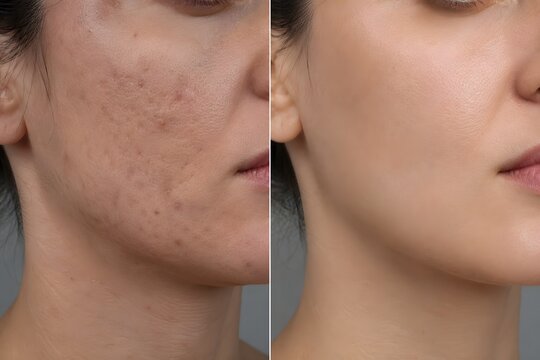
The effectiveness of laser acne treatment depends on the type of procedure, the severity of the acne and individual skin characteristics. Some people notice gradual improvements after several sessions, while others see limited results. Improvements in acne scarring may take longer to become apparent as the skin gradually remodels collagen.
Laser treatment should not be considered a permanent cure for acne. Hormonal changes, excess oil production and other contributing factors can lead to new breakouts even after a successful course of treatment. Maintenance sessions or additional acne treatments may be recommended.
It is also important to distinguish between active acne and the marks it leaves behind. Red or brown marks may be related to changes in skin pigmentation, while depressed scars involve changes in skin structure. These concerns can require different treatments, so a proper assessment can help avoid paying for a procedure that does not address the main problem.
What Are the Risks and Side Effects?
Temporary redness, swelling, tenderness and skin sensitivity can occur after laser or light-based procedures. The amount of downtime depends on the device and the intensity of treatment. Some procedures allow people to return to their usual activities quickly, while resurfacing treatments may require a longer recovery period.
Less common complications include burns, blisters, infection, scarring and changes in skin colour. Some people are more likely to develop dark patches after skin irritation or inflammation. A qualified provider should discuss these risks before treatment and explain how your skin type may affect the choice of procedure.
Before your appointment, disclose your medications, skin-care products, history of cold sores and previous cosmetic treatments. Ask whether any products or medications need to be adjusted before the procedure. Do not stop prescribed medication without consulting the professional who manages your care.
How Much Does Laser Acne Treatment Cost?
The cost varies considerably depending on the country, clinic, technology used and number of sessions required. A treatment for active acne may have a different price from laser resurfacing for acne scars. The provider’s experience and the size of the treatment area can also affect the total.
When comparing prices, ask about the full treatment plan rather than focusing only on the advertised cost of one session. Find out whether follow-up appointments, aftercare products and maintenance treatments are included. Insurance or health-plan coverage also varies by location and by whether the procedure is considered medically necessary or cosmetic.
Although discounted packages can appear attractive, avoid committing to multiple sessions before understanding the treatment, its limitations and the likely total expense. A reputable provider should explain realistic outcomes without promising flawless skin or guaranteed results.
How to Prepare for Your Appointment
A consultation gives you an opportunity to discuss your concerns and understand the available options. Ask which device will be used, why it is appropriate for your skin and how many sessions you may need. It is also worth discussing expected improvements, possible side effects, recovery time and alternative treatments.
Choose a qualified professional with appropriate training and experience using the specific device being offered. Check the provider’s credentials and ask how they assess skin tone and pigmentation risks. Be cautious if you feel pressured to purchase an expensive package before receiving an adequate assessment.
Caring for Your Skin After Treatment
Aftercare instructions depend on the procedure, but gentle skin care and sun protection are generally important. Follow your provider’s guidance about cleansing, moisturizing and applying sunscreen while your skin recovers. Avoid scrubs, exfoliating acids, retinoids and other potentially irritating products until you have been told they are safe to resume.
Do not pick at pimples, peeling skin or healing areas. Picking can worsen inflammation and increase the risk of scarring or discoloration. Contact a medical professional if you experience severe or worsening pain, blistering, significant swelling or signs of infection.
Is Laser Acne Treatment Worth Considering?
Laser acne treatment may help some people manage breakouts or improve the appearance of acne scars, but results are not guaranteed. The right approach depends on the skin concern being treated, the technology available and your individual needs.
Before booking a procedure, consider consulting a qualified dermatologist who can explain whether laser treatment is appropriate or whether another option may offer better results. Understanding the benefits, risks and total cost can help you make an informed decision without unrealistic expectations.
The goal is to find an approach that supports your skin’s health and addresses your concerns safely, rather than expecting one procedure to solve every acne-related problem.
Health disclaimer: This article is for general informational purposes only and is not a substitute for professional medical advice, diagnosis or treatment.