How to Stop Condensation on Your Windows
10 min read
1841 words
If you wake up on a cold morning and find water collecting on the inside of your windows, you are certainly not alone. Condensation is a common problem in Canadian homes, particularly during the fall and winter when the difference between indoor and outdoor temperatures becomes much greater. While a little moisture on your windows from time to time is not necessarily a serious concern, constantly wet windows, water running down the glass or moisture collecting on the windowsills should not simply be ignored. I have found that the first step is figuring out why the condensation is happening rather than spending every morning wiping the windows dry.
Why Does Condensation Form on Windows?
Window condensation occurs when warm, moist air inside your home comes into contact with a cold window. The moisture in the air cools when it reaches the glass and turns into water droplets. This is the same basic process you see when a cold drink develops water on the outside of the glass.
The colder the window surface is, and the more moisture there is in your home, the greater the chance of condensation. Cooking, showering, drying laundry indoors and even normal breathing all add moisture to the air. During the winter, that moisture has nowhere to go if your home is not adequately ventilated, so it can end up collecting on the coldest surfaces, including your windows.
Check the Humidity in Your Home
One of the simplest things you can do if you are experiencing condensation is check the humidity level inside your home. Rather than guessing whether your home feels too humid, a small digital hygrometer can give you an actual reading. These inexpensive devices can be useful in several rooms, especially bedrooms, bathrooms and areas where condensation is particularly noticeable.
The appropriate indoor humidity level can vary depending on the outdoor temperature, insulation, ventilation and the condition of your windows. During very cold Canadian weather, you may need a lower indoor humidity level to prevent condensation. If your windows are consistently covered with water, particularly first thing in the morning, excessive indoor humidity may be part of the problem.
Use Bathroom Exhaust Fans
Bathrooms are one of the biggest sources of indoor moisture because hot showers and baths release a considerable amount of water vapour into the air. If that moisture remains inside your home, it can eventually make its way to colder rooms and windows.
I recommend using the bathroom exhaust fan while showering and leaving it running for a while after you finish. It is also worth checking that the fan actually vents outdoors and is not simply circulating moist air around the room. Over time, dust can also accumulate on the fan grille and affect airflow, so keeping it reasonably clean can help it work more effectively.
Use Your Range Hood When Cooking
Your kitchen is another place where moisture can quickly build up. Boiling water, cooking pasta, simmering food and using the oven can all release moisture into the air. If you have a range hood that vents outdoors, use it while cooking and leave it running for a short period afterward to help remove excess moisture.
I also find that simple habits can make a difference. Covering pots when appropriate can reduce the amount of steam released into the kitchen, while opening a window briefly when conditions allow can also help exchange humid indoor air with drier outdoor air. You don’t necessarily have to make major changes; sometimes several small changes throughout the day can reduce the overall amount of moisture in your home.
Consider Using a Dehumidifier
If your indoor humidity remains high even though you are using your exhaust fans, a dehumidifier may be worth considering. Dehumidifiers remove moisture from the air and can be especially helpful in areas of the home that naturally feel damp.
You do not necessarily need to run a dehumidifier continuously. I prefer the idea of using a hygrometer to monitor the humidity and adjusting the dehumidifier accordingly. The goal is to bring excessive moisture under control, not to make your home so dry that the air becomes uncomfortable. If you already have a dehumidifier, check its settings and make sure it is actually removing water from the air rather than simply running without producing much noticeable improvement.
Keep Warm Air Moving Around Your Windows
Your heating system plays an important role in preventing condensation because warm air moving around a window can help keep the glass warmer. Furniture, curtains and other objects can sometimes interfere with that airflow.
If a couch, cabinet or heavy curtain is blocking a heat register near a window, try moving it so warm air can circulate more freely. You may also notice more condensation when blinds or curtains remain tightly closed for long periods because they can trap cooler air against the glass. Opening them during the day can allow warmer room air to reach the window.
Be Careful About Drying Laundry Indoors
Drying wet clothes inside your home can add a surprising amount of moisture to the air. If you regularly use an indoor drying rack, especially during the winter, that moisture has to go somewhere as the clothing dries.
If outdoor drying is not an option, try placing the drying rack in an area with good ventilation rather than in a closed room. Running an exhaust fan or using a dehumidifier nearby can also help manage the additional moisture. If you suddenly notice more condensation after doing several loads of laundry, indoor drying could be contributing to the problem.
Check Around Your Windows for Drafts
Not every condensation problem is caused by excessive humidity. Cold air coming through gaps around a window can make the glass and surrounding frame colder, which can make condensation more likely.
On a cold day, carefully check around the window for noticeable drafts. You may be able to feel cool air coming through worn weatherstripping or gaps around the frame. Small gaps can sometimes be addressed with appropriate weatherstripping or caulking, but larger problems may require a professional assessment.
Older windows can also be considerably colder than modern energy-efficient windows, particularly if the glass, frame or seals have deteriorated. Before assuming that every condensation problem means your windows need to be replaced, however, it is worth looking at the humidity and ventilation in your home as well.
Don’t Ignore Water Collecting on the Windowsill
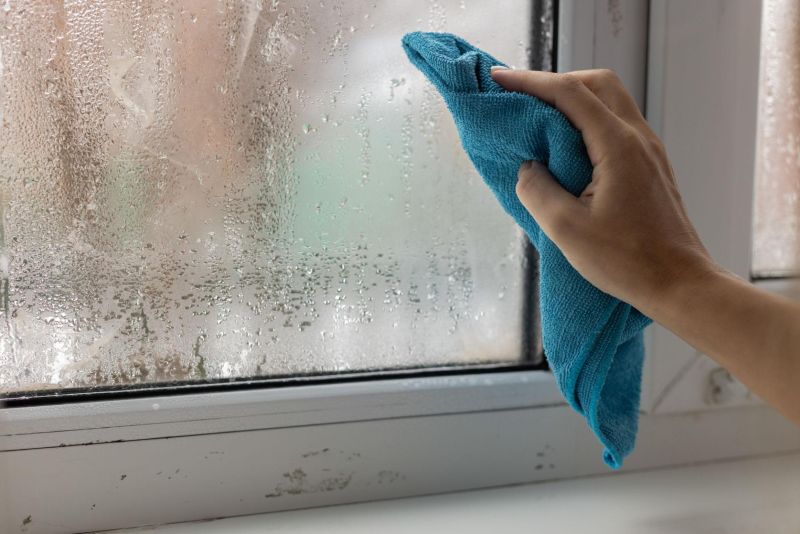
It is easy to grab a cloth and wipe the water from your windows each morning, especially when you are busy. I have done this myself. The problem is that wiping the water away only deals with the symptom. If condensation keeps returning, you still need to determine what is causing it.
Leaving water sitting on a windowsill can eventually damage paint, wood, drywall or other surrounding materials. Excess moisture can also create conditions where mould and mildew become a concern. If your windows are regularly wet enough that water is collecting on the sill, make an effort to dry the area while you work on reducing the underlying moisture problem.
What About Condensation Between the Window Panes?
There is an important difference between condensation on the room side of the glass and moisture trapped between window panes. If you can see fogging or moisture inside the sealed space between two panes of glass, the insulating seal may have failed.
Lowering the humidity inside your home will not normally fix moisture that is trapped inside a sealed glass unit. Depending on the type and age of the window, the glass unit may need to be repaired or replaced. If you are unsure whether the moisture is on the inside surface or actually between the panes, a qualified window professional can help determine what is happening.
Should You Replace Your Windows?
Seeing condensation does not automatically mean you need new windows. In many cases, excessive indoor humidity or poor ventilation is the bigger issue, and addressing those problems can significantly reduce the amount of moisture on the glass.
However, if you have older windows that are drafty, damaged or have failed seals, replacing them may eventually make sense. Newer energy-efficient windows can provide better insulation and keep the interior glass warmer, although even modern windows can develop condensation if the humidity inside the home is too high.
I would investigate the cause before making a major purchase. A window replacement can be a significant expense, and you do not want to spend thousands of dollars only to discover that excessive indoor humidity was the real problem.
When Should You Be Concerned?
Occasional condensation during extremely cold weather is not necessarily a reason to panic. Persistent condensation, however, deserves attention, particularly if you are seeing water running down the glass, mould around the frame, peeling paint, damaged drywall or staining around the window.
If you have tried reducing indoor humidity and improving ventilation but still have significant condensation, there may be another issue that needs to be investigated. Problems with insulation, ventilation, window seals or air leakage can all contribute to excessive moisture.
If you notice visible mould or signs of water damage, don’t simply keep wiping the windows and hoping the problem disappears. Finding and correcting the source of the moisture is much more important than repeatedly cleaning up the water.
My Experience With Window Condensation
For me, the biggest lesson with condensation is that it is easy to focus on the water itself instead of what the windows are telling you. A wet window is often a sign that there is too much moisture in the air for the temperature of that particular surface.
Rather than immediately assuming the windows are bad, I would start with the simple things. Check the humidity with a hygrometer, use your bathroom and kitchen exhaust fans, improve air circulation, look for drafts and consider whether activities such as indoor clothes drying are adding more moisture than you realize.
Sometimes those changes are enough to make a noticeable difference. If they are not, then it is worth looking more closely at the windows, insulation and ventilation in the home.
Final Thoughts

Window condensation may seem like nothing more than an annoying winter chore, but persistent moisture should not be ignored. Too much water around your windows can eventually contribute to mould, mildew and damage to the surrounding materials.
The good news is that you can start investigating the problem without spending a lot of money. A simple hygrometer can tell you what your indoor humidity is doing, while better ventilation, proper use of exhaust fans and a dehumidifier can help reduce excess moisture.
Most importantly, don’t assume that condensation automatically means you need to replace your windows. Find the cause first. Sometimes the solution is as simple as reducing indoor humidity and allowing more warm air to circulate around the glass. If the problem continues despite those changes, then it may be time to have your windows, insulation or ventilation professionally assessed.
A little condensation can be normal during a Canadian winter. Constantly wet windows are a reason to investigate.