Are Electrolyte Freezer Pops a Smart Hydration Fix
5 min read
893 words
Summer heat can increase fluid loss through sweating, especially during sports, camp, beach days, and long afternoons outside. Sweat contains sodium, potassium, and other electrolytes, but water remains the foundation of everyday hydration.
Electrolyte freezer pops offer a cold, familiar format that can help children and adults replace some fluid and electrolytes while cooling down. The key question is whether they fit real hydration needs, not just warm-weather snacking.
Parents comparing hydration options often want something simple, portable, and easy for kids to accept after heavy play. Frozen products with electrolytes can help bridge that gap, and families searching for electrolyte freezer pops for sale should look for clear nutrition facts, modest added sugar, recognizable ingredients, and electrolyte sources that fit their activity level and summer routine.
Why Electrolytes Matter in Heat
Sweat is more than just water. It contains sodium, chloride, potassium, and smaller amounts of other minerals. These electrolytes help the body manage fluid balance, muscle function, and nerve signaling. During light play, regular meals and water will usually provide what most people need.
Longer activity changes the picture. A child at soccer practice, a teen mowing lawns, or an adult doing yard work may sweat steadily for an hour or more. During prolonged, sweat-heavy activity, replacing some electrolytes can be useful. Signs that someone may need more fluids include thirst, dry mouth, fatigue, headache, darker urine, and unusual crankiness in younger children.
What Freezer Pops Do Well
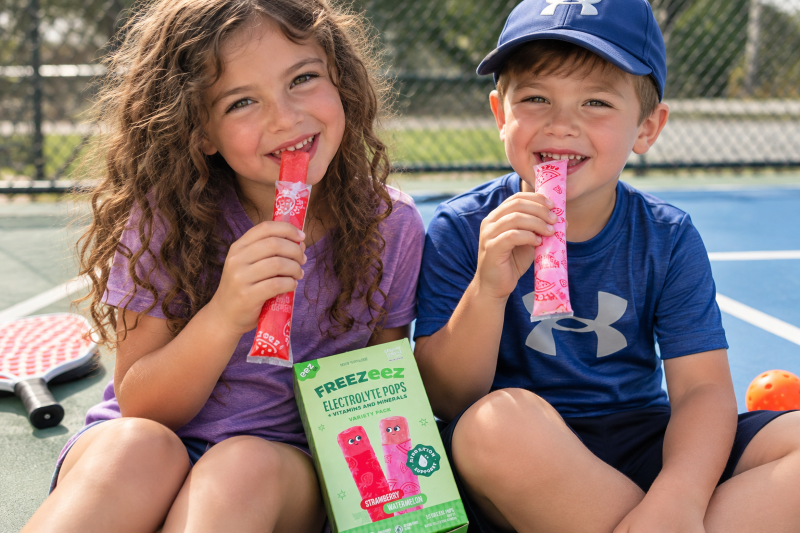
The main benefit is convenience and acceptance. A cold pop feels like a treat, so children may accept it more readily than a bottle or powdered drink. That can matter after activity, when an exhausted child may be less interested in drinking.
Because freezer pops are consumed gradually, they can provide a convenient way to take in fluid while cooling down. This can be useful after hot playground time, outdoor activities, pool breaks, travel, or other situations involving heat and sweating.
Portion size is another practical advantage. A single pop can provide a measured amount of fluid, electrolytes, and sugar. That makes it easier for families to keep track of how much a child is consuming rather than relying on an entire bottle or large serving.
What to Check on the Label
A good choice starts with the nutrition panel. Sodium is an important electrolyte lost through sweat, while potassium can also contribute to electrolyte replacement. Ingredients such as mineral salts or coconut water may appear on product labels.
Sugar deserves close attention. Some carbohydrates can make a product more appealing and may support fluid absorption, but a product with a large amount of added sugar is less suitable as an everyday hydration option. Families should compare the amount of added sugar per serving and consider how many pops a child may have in a day.
Artificial dyes, allergens, and serving instructions can also matter. Families managing food sensitivities, school policies, or dietary restrictions may want to pay particular attention to the ingredient list. Clear age guidance is helpful, especially for younger children.
When They Make Sense
Electrolyte pops are most useful when there has been significant sweating, heat exposure, or difficulty getting enough fluids. Good situations can include sports practice, outdoor camp, bike rides, beach outings, theme parks, and other extended activities in hot weather.
They are less necessary during short periods of indoor play or mild weather. Plain water and balanced meals will usually be enough. Using electrolyte products every day when there has been little sweat loss may add unnecessary sugar or electrolytes without providing much additional benefit.
Water Still Comes First
Freezer pops should support hydration, not replace water. Children should have regular opportunities to drink before, during, and after outdoor activity. Adults should also drink regularly during prolonged heat and activity rather than waiting until they are very thirsty.
Food plays a role as well. Fruit, soup, yogurt, and regular meals can all contribute to fluid and electrolyte intake. An electrolyte freezer pop works best as one part of a broader hydration routine.
Safety and Common Sense
Heat illness can become serious quickly. Dizziness, confusion, vomiting, fainting, rapid breathing, or other concerning symptoms after significant heat exposure require prompt medical attention. A freezer pop is not a treatment for severe dehydration or heat illness.
For children or adults with kidney disease, heart conditions, diabetes, or special dietary needs, caregivers should ask a healthcare professional before using electrolyte products regularly. Product directions and serving sizes should also guide use.
Conclusion
Electrolyte freezer pops can be a useful summer option when they address a real need related to heat, sweating, or difficulty getting enough fluids. They are convenient, kid-friendly, and refreshing, but the best choices provide clear electrolyte information without excessive added sugar.
Water, regular meals, shade, rest, and breaks remain the foundation of staying hydrated in hot weather. Used alongside those basics, an electrolyte freezer pop can make warm-weather hydration easier without turning it into a complicated routine.
Health Disclaimer
This article is for general informational purposes only and is not medical advice. Hydration needs vary by age, activity level, weather, health conditions, and medications. If you or your child has symptoms of dehydration, heat illness, or another medical concern, seek advice from a qualified healthcare professional. Always follow the product’s label directions and consult a healthcare provider when you are unsure whether an electrolyte product is appropriate.