Knee Osteoarthritis: Symptoms, Causes & Treatment
8 min read
1460 words
Knee osteoarthritis is one of the most common forms of arthritis, affecting millions of people worldwide. It occurs when the protective cartilage within your knee joint gradually wears down over time. This can lead to symptoms ranging from mild stiffness and occasional discomfort to persistent pain that significantly affects your mobility and quality of life.
The good news is that with early intervention, the right exercises, and proactive lifestyle changes, you can effectively manage symptoms and help protect your knee function for years to come.
What is knee osteoarthritis? Knee osteoarthritis is a condition where the protective cartilage in the knee joint gradually breaks down, leading to pain, stiffness, swelling, and reduced mobility. While cartilage damage cannot usually be reversed, exercise, weight management, and proper treatment can help reduce symptoms and protect knee function.
If you are experiencing early joint stiffness or discomfort, learn more about mild osteoarthritis symptoms, causes, and treatment options.
What Is Knee Osteoarthritis?
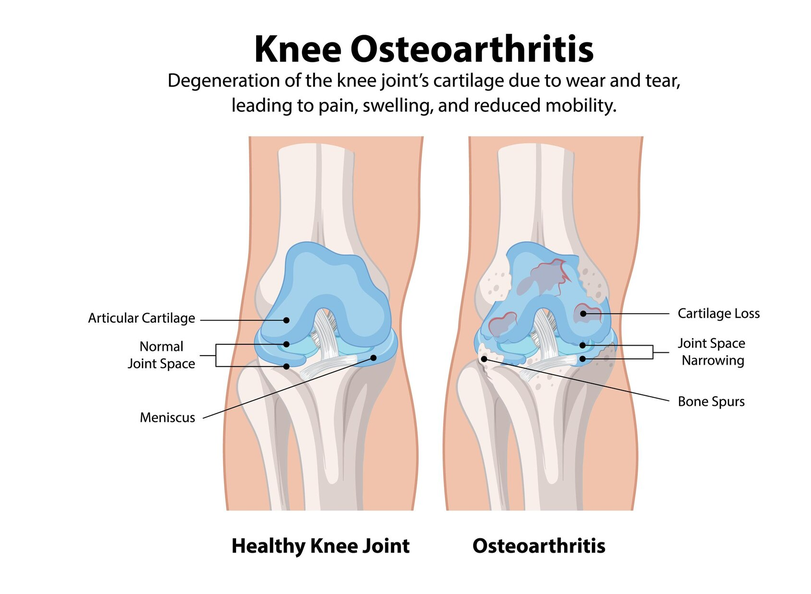
Knee osteoarthritis (OA) is a degenerative joint condition characterized by the breakdown of articular cartilage in the knee. To understand how osteoarthritis affects the knee, it helps to understand basic knee anatomy.
- Femur (Thigh Bone): The upper bone that forms part of the knee joint.
- Tibia (Shin Bone): The lower bone that supports the knee joint.
- Patella (Kneecap): A small bone that protects the front of the knee.
- Cartilage: Smooth tissue that covers the ends of bones, allowing them to move easily and acting as a shock absorber.
As knee osteoarthritis develops:
- The protective cartilage begins to thin and break down.
- The space between the bones in the joint may become narrower.
- Bones may begin rubbing more closely together.
- The body may form small bony growths called bone spurs (osteophytes).
- The joint lining may become inflamed, contributing to pain and swelling.
What Causes Knee Osteoarthritis?
While aging is one of the most common risk factors, several factors can contribute to the development of knee osteoarthritis.
- Aging and Natural Joint Changes: Cartilage becomes less flexible and more vulnerable to wear over time.
- Previous Knee Injuries: Injuries such as ACL tears, meniscus tears, fractures, or sports injuries can change how the knee moves and increase the risk of arthritis.
- Excess Weight and Knee Stress: Carrying extra body weight increases pressure on the knee joint during daily activities.
- Repetitive Knee Stress: Frequent kneeling, heavy lifting, or high-impact activities may place additional strain on the knees.
- Genetics: A family history of osteoarthritis may increase your risk.
- Muscle Weakness: Weak quadriceps and hip muscles may provide less support for the knee joint.
Stages of Knee Osteoarthritis
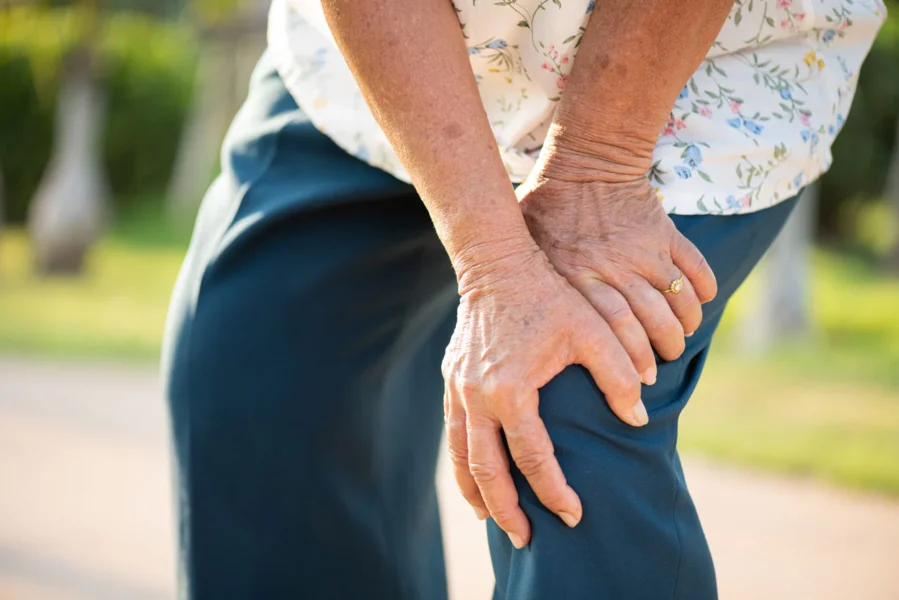
Mild Knee Osteoarthritis (Early Stage)
Symptoms may include occasional knee pain, stiffness after sitting for long periods, mild swelling, and a slight decrease in flexibility. Symptoms may come and go.
Moderate Knee Osteoarthritis
Symptoms may include more frequent pain, reduced range of motion, increased stiffness, and difficulty with activities such as climbing stairs or walking longer distances.
Severe Knee Osteoarthritis
Symptoms may include persistent pain, significant mobility limitations, joint changes, and reduced ability to perform daily activities. Surgical options may be considered when other treatments no longer provide enough relief.
Common Symptoms of Knee Osteoarthritis
Knee Pain
Pain may occur during walking, climbing stairs, standing for long periods, or after activity.
Knee Stiffness
Stiffness is often noticeable in the morning or after sitting for an extended time. Many people describe difficulty getting moving again after inactivity.
Swelling
Fluid buildup around the knee may create a feeling of fullness, tightness, or puffiness.
Reduced Range of Motion
You may notice difficulty bending your knee fully or straightening your leg completely.
Clicking, Popping, or Grinding
Creaking sounds or a rough sensation during movement, known as crepitus, can occur as the joint changes.
Knee Weakness or Instability
Some people experience a feeling that the knee may give way or buckle.
How Is Knee Osteoarthritis Diagnosed?
Diagnosis typically includes:
- Medical History: Discussion of symptoms, previous injuries, activity levels, and how knee problems affect daily life.
- Physical Examination: A healthcare provider may assess swelling, tenderness, range of motion, and joint stability.
- Imaging Tests:
- X-rays: May show joint space narrowing, bone spurs, and changes in bone structure.
- MRI: May provide detailed images of cartilage, ligaments, meniscus, and other soft tissues when needed.
It is important to remember that X-ray findings do not always match symptoms. Some people may have visible joint changes with little pain, while others may experience discomfort with minimal changes on imaging.
Treatment Options for Knee Osteoarthritis
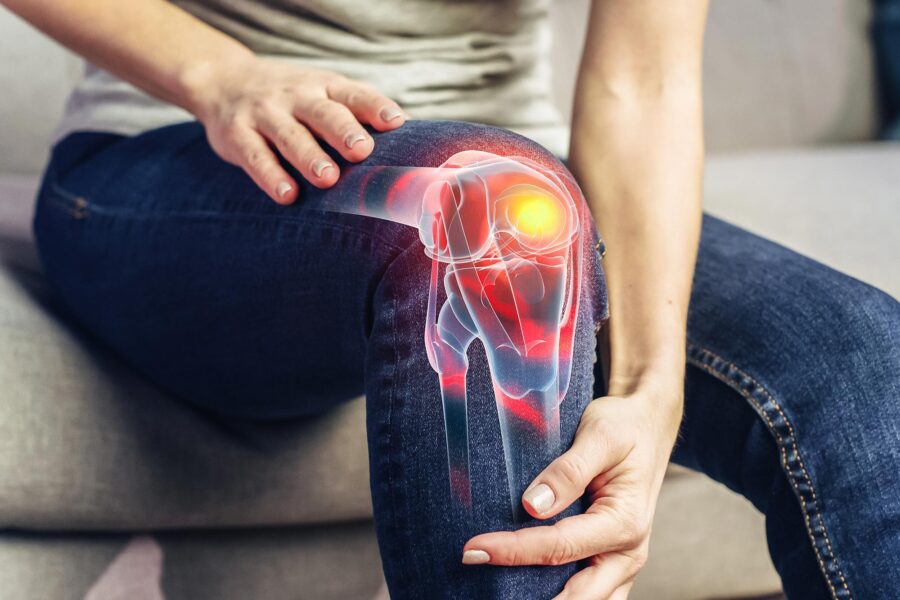
1. Exercise and Physical Activity
Movement is one of the most important ways to maintain knee function. Low-impact activities can help strengthen muscles, improve flexibility, and support the joint.
Recommended activities include:
- Walking
- Swimming
- Cycling
- Water aerobics
- Strength training
Best Exercises for Knee Osteoarthritis
- Quadriceps Strengthening: Straight leg raises and seated leg extensions.
- Chair Exercises: Sit-to-stand exercises and supported chair squats.
- Flexibility Exercises: Gentle hamstring and calf stretches.
- Balance Exercises: Standing on one leg while holding support if needed.
Important Note: Exercises should be performed at a comfortable level. Stop if you experience sharp or worsening pain. Consistency is more important than intensity.
2. Weight Management and Knee Health
Excess body weight can increase stress on the knee joint. Even modest weight loss may reduce pressure on the knees and improve comfort and mobility.
Focus on sustainable lifestyle changes rather than quick fixes or restrictive diets.
3. Pain Relief Options
- Heat Therapy: Can help reduce stiffness.
- Ice Therapy: May help reduce swelling after activity.
- Topical Pain Relief: Some creams and gels may provide temporary relief.
- Medication: Discuss appropriate options with your healthcare provider.
- Supportive Devices: Braces, canes, or walking aids may help some people.
Managing Knee Osteoarthritis Flare-Ups
Even mild or moderate knee osteoarthritis can have periods when symptoms become worse. Flare-ups may occur after increased activity, overuse, prolonged sitting, or changes in routine.
During a flare-up, consider:
- Reducing activities that increase pain temporarily
- Using ice for swelling after activity
- Using heat to ease stiffness
- Continuing gentle movement to prevent additional stiffness
- Returning gradually to normal activities as symptoms improve
Lifestyle Tips for Protecting Your Knees
- Wear supportive shoes with good cushioning.
- Avoid staying in one position for too long.
- Warm up before exercise.
- Strengthen muscles around the knees and hips.
- Modify activities that increase pain.
- Use proper posture and body mechanics when lifting or bending.
Can Knee Osteoarthritis Be Prevented?
While aging cannot be prevented, you can reduce your risk and support knee health by:
- Maintaining a healthy body weight
- Staying physically active
- Strengthening leg and core muscles
- Protecting knees during sports
- Treating injuries properly
When Should You See a Doctor?
Consult a healthcare professional if you experience:
- Knee pain that continues to worsen
- Persistent swelling
- Knee locking or giving way
- Difficulty walking or bearing weight
- Pain that affects sleep
- Reduced ability to complete daily activities
Living With Knee Osteoarthritis
A diagnosis of knee osteoarthritis does not mean you have to stop being active. Many people continue walking, gardening, exercising, traveling, and enjoying hobbies by adapting activities and focusing on joint-friendly habits.
The goal is not to avoid movement, but to find safe and sustainable ways to keep your knees strong and functional. Working with your healthcare team can help you create a long-term management plan that supports mobility and independence.
Frequently Asked Questions
What does knee osteoarthritis feel like?
Knee osteoarthritis often feels like a dull ache, stiffness, swelling, or discomfort around the knee. Some people also experience grinding sensations during movement.
Is walking good for knee osteoarthritis?
Yes. Walking is generally a beneficial low-impact activity that helps maintain mobility and strengthen supporting muscles.
What is the best exercise for knee arthritis?
The best approach combines low-impact cardio, strength training, and flexibility exercises that can be performed consistently without increasing pain.
Can knee osteoarthritis be reversed?
There is currently no treatment that completely reverses cartilage loss. However, symptoms can often be managed and function can improve with proper care.
Does losing weight help knee arthritis?
Yes. Reducing excess weight can decrease stress on the knee joint and may improve pain and mobility.
When is knee replacement considered?
Knee replacement may be considered for severe osteoarthritis when pain and mobility problems continue despite other treatments such as exercise, medication, and physical therapy.
Medical Disclaimer: This article is for informational purposes only and is not intended to replace professional medical advice, diagnosis, or treatment. If you have knee pain, swelling, or concerns about osteoarthritis, consult a qualified healthcare professional for personalized guidance.
Conclusion: Protecting Your Knee Health
Knee osteoarthritis is a manageable condition. Early action, consistent exercise, strengthening the muscles that support your knees, maintaining healthy habits, and seeking medical advice when needed can help you manage symptoms and protect your mobility.
The goal is to keep moving, stay strong, and continue doing the activities you enjoy while supporting long-term knee health.