How to Help Kids Overcome Fear of the Dark
7 min read
1289 words
Bedtime should be a peaceful end to the day, but for many families, it can become a struggle when children are afraid of the dark. If your child is hesitant to sleep with the lights off, you are not alone. A fear of the dark is one of the most common childhood fears and often peaks between the ages of 2 and 6.
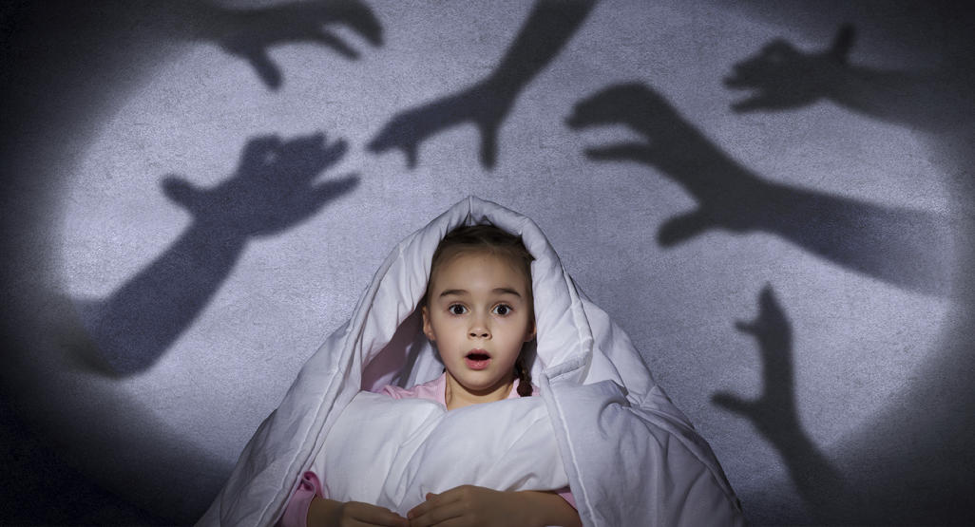
When the lights go out, a child’s imagination can become very active. A shadow from a piece of furniture, a sound from outside, or a familiar object in a different light can suddenly feel scary and unfamiliar.
The good news is that fear of the dark is usually a normal part of childhood development. It is not a sign that your child is being difficult. Instead, it is often a way for children to process emotions, understand their environment, and learn confidence and independence.
The goal is not to force children to stop being afraid overnight. Instead, parents can help children feel safe, secure, and comfortable at bedtime through patience, reassurance, and positive routines.
Why Are Kids Afraid of the Dark?
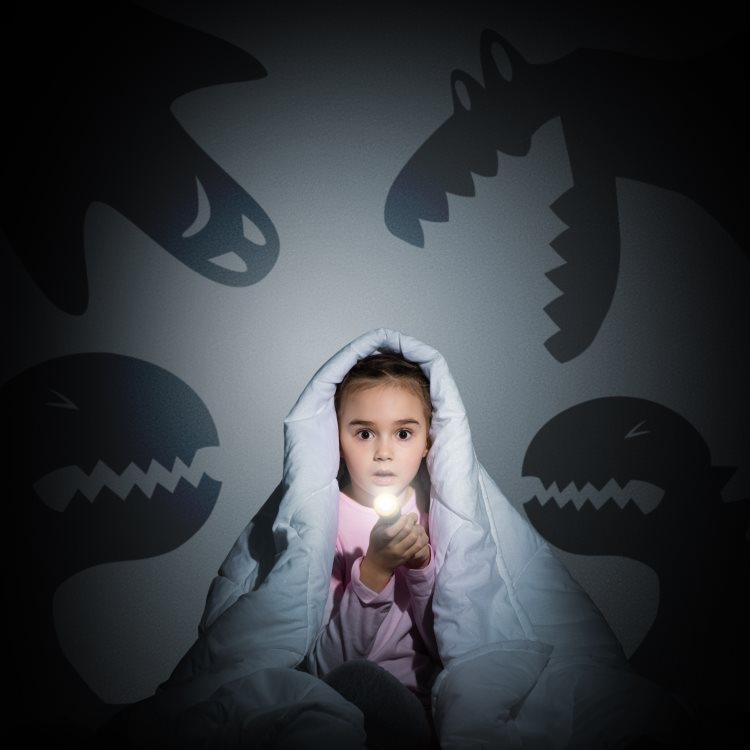
Fear of the dark is a common childhood experience that often comes from a combination of imagination, uncertainty, and a child’s developing understanding of the world.
Young children may become frightened by shadows, unfamiliar sounds, or things they imagine in the darkness. Changes such as moving, starting school, a new sibling, or stressful experiences can also make nighttime worries stronger.
Media exposure, such as scary movies or stories, may contribute to fears, especially when children are still learning to separate fantasy from reality.
At the heart of many nighttime fears is a child’s need to feel safe and reassured. With patience, comfort, and support, most children gradually learn that their bedroom is a safe place to rest.
For practical tips on creating peaceful bedtimes and helping children overcome nighttime fears, read How to Help Kids Overcome Fear of the Dark: Tips for Peaceful Bedtimes.
Can Teenagers Be Afraid of the Dark?
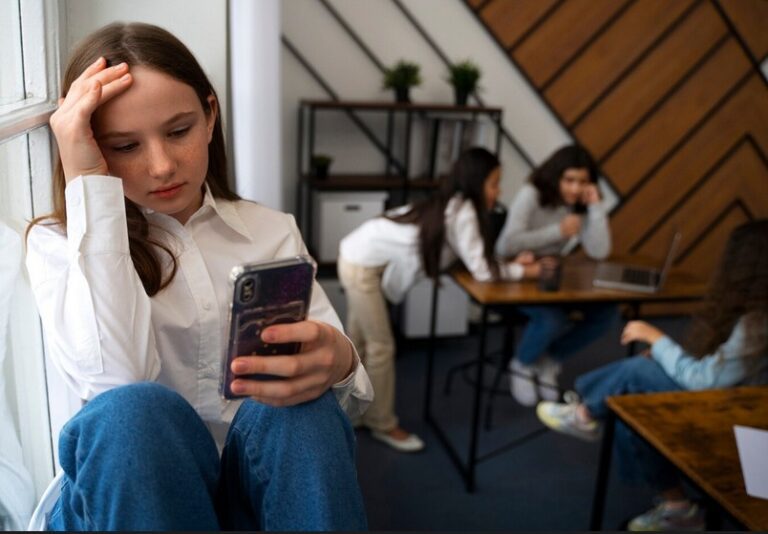
Although fear of the dark is often associated with younger children, some teenagers can also experience nighttime fears or anxiety. As children grow older, their fears may change, but feeling uneasy in the dark can still happen, especially during times of stress or major life changes.
Teenagers may not always describe it as being “afraid of the dark.” Instead, they may experience difficulty falling asleep, worry when they are alone at night, feel uncomfortable in a quiet house, or become more aware of unfamiliar sounds and shadows.
Some reasons teens may feel anxious at night include:
- Stress and anxiety: School pressures, friendships, responsibilities, and future concerns can make nighttime thoughts feel more intense.
- An active imagination: Even older children and teens can find that their minds become more focused on worries when distractions disappear.
- Past experiences: A scary movie, upsetting event, nightmare, or stressful memory can sometimes create nighttime anxiety.
- Changes in independence: As teenagers become more independent, they may spend more time alone and experience new emotions and challenges.
How Parents Can Support Teens With Nighttime Fears
Teenagers may feel embarrassed about admitting they are afraid of the dark, so it is important to respond with understanding rather than judgment.
- Listen without teasing or dismissing their feelings.
- Encourage open conversations about stress and worries.
- Help them create a relaxing nighttime routine.
- Encourage healthy habits such as limiting screens before bed and practicing relaxation techniques.
- Allow them to use comforting items, such as a soft night light, if it helps them feel more relaxed.
A night light is not only for young children. Some teens find that a small, gentle light creates a more comfortable sleeping environment, especially if they experience nighttime anxiety. The goal is not to avoid darkness forever, but to create a space where they feel calm, safe, and ready to rest.
If nighttime fears become severe, interfere with sleep, or affect daily activities, speaking with a healthcare professional can help identify underlying anxiety and provide additional support.
Validate Your Child’s Feelings
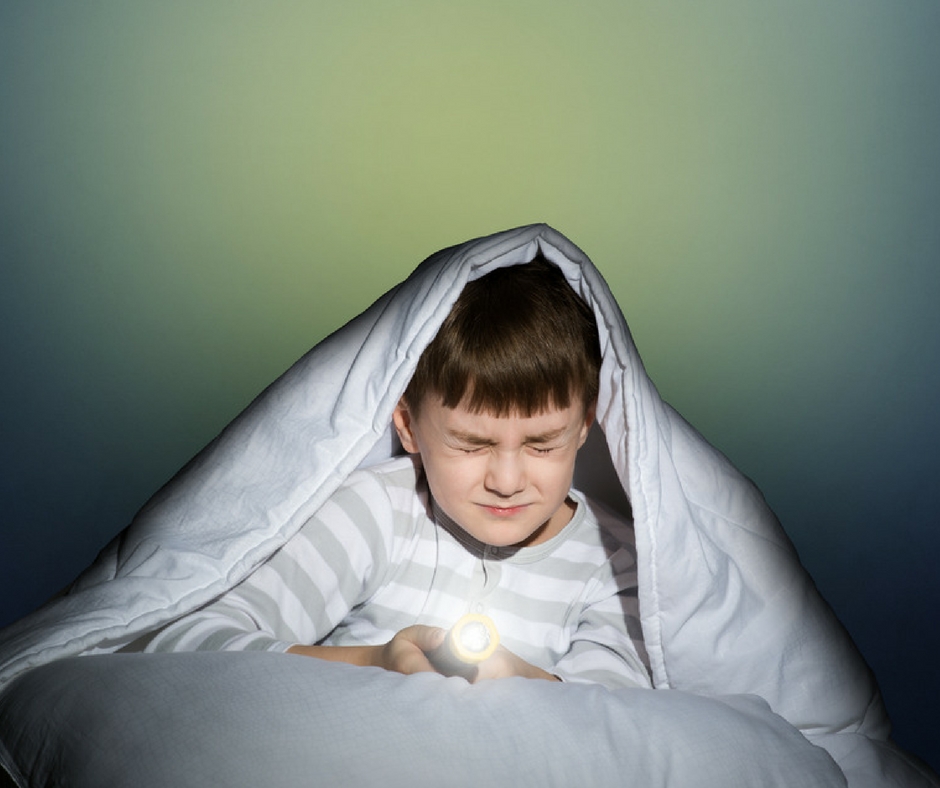
When your child says, “I’m scared,” your response can make a big difference.
Avoid dismissing their feelings by saying:
“Nothing is there. Don’t be scared.”
Although meant to reassure, this can make children feel like their emotions are not understood.
Instead, try:
- Listen and acknowledge: “I understand that the dark feels scary sometimes.”
- Offer reassurance: “You are safe. I am nearby, and we will help you feel comfortable.”
- Encourage conversation: “Can you tell me what is making you feel worried?”
Understanding the specific fear, whether it is shadows, sounds, or being alone, can help you find the right solution.
Create a Calm Bedtime Routine
A predictable bedtime routine helps children feel secure because they know what to expect. A consistent routine signals that the day is ending and it is time for the body and mind to relax.
Ideas for a calming bedtime routine include:
- Taking a warm bath or having a quiet wash-up.
- Putting on comfortable pajamas.
- Reading a favorite bedtime story.
- Listening to soft music or calming sounds.
- Talking about something positive from the day.
- Giving hugs and reassurance before turning out the lights.
Keeping bedtime and wake-up times consistent can also help children develop healthy sleep habits.
Use a Comforting Night Light
For children who are afraid of the dark, a gentle night light can provide comfort without making the room too bright. A soft glow can help reduce scary shadows while allowing children to feel more secure.
When choosing a kids’ night light:
- Choose a soft, warm light rather than a bright light.
- Avoid overly stimulating lights with too many flashing colors.
- Let your child choose a design they enjoy.
- Consider a portable option for travel or overnight stays.
A comforting night light can become a positive part of a child’s bedtime routine. LumiLuvs Night Lights from Imports Dragon combine a gentle glow with fun collectible characters, helping make bedtime feel more comforting and enjoyable for children.
Encourage Independence and Confidence
Helping children overcome fear of the dark is about building confidence over time.
- Give your child a small flashlight they can keep nearby.
- Allow them to choose their favorite stuffed animal or comfort item.
- Let them help turn off the bedroom light.
- Celebrate small victories, such as staying in bed all night.
Positive encouragement helps children learn that they are capable of handling nighttime worries.
Create a Safe and Comfortable Bedroom
A child’s bedroom should feel like a peaceful and familiar space.
- Keep the room organized to reduce unfamiliar shadows.
- Use cozy blankets and favorite stuffed animals.
- Adjust curtains to block distracting outdoor lights.
- Use white noise, a fan, or calming sounds to reduce sudden noises.
- Keep the room at a comfortable temperature.
Teach Simple Coping Skills
Children can learn simple techniques to manage nighttime worries.
Deep Breathing
Teach slow breathing exercises, such as taking “balloon breaths” by slowly breathing in and out.
Positive Thoughts
Encourage phrases such as:
- “My room is safe.”
- “I am safe.”
- “I can be brave.”
Visualization
Help your child imagine a happy place, such as a favorite vacation spot, a cozy blanket fort, or a peaceful outdoor setting.
Final Thoughts
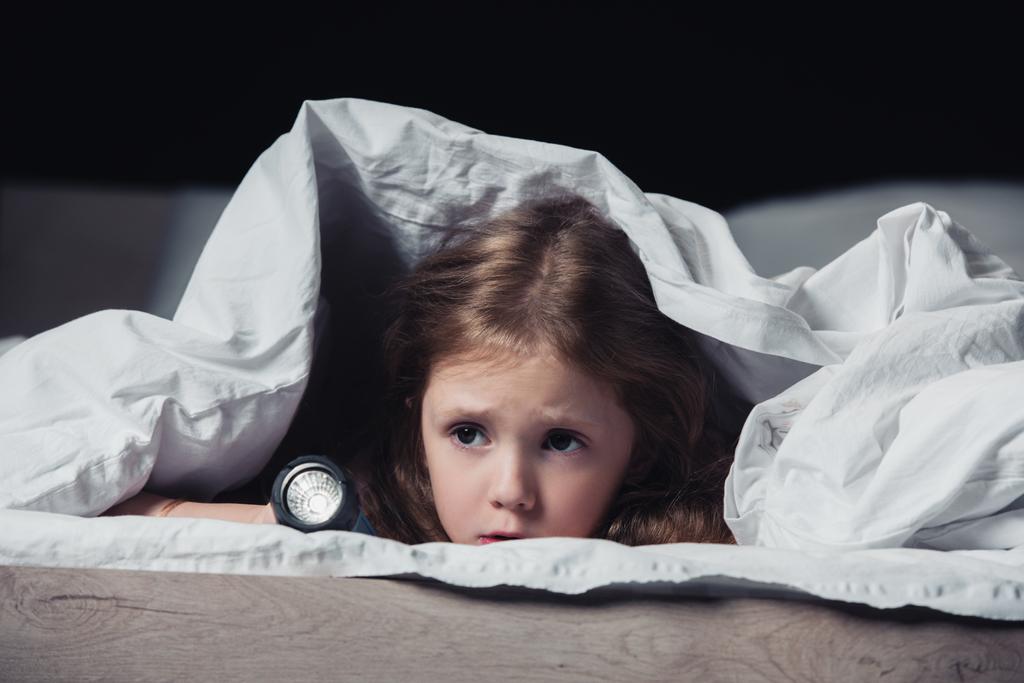
Helping kids overcome fear of the dark takes patience, understanding, and encouragement. By creating a calming bedtime routine, offering reassurance, and giving children tools to feel confident, parents can help transform nighttime worries into peaceful sleep.
A simple change, such as adding a comforting night light, introducing relaxation techniques, or creating a cozy bedroom environment, can make bedtime a much happier experience for the whole family.
With your support, your child can learn that darkness is not something to fear. It is simply a quiet time for rest, dreams, and sweet goodnight moments.