How to Maintain a Pool During a Heat Wave
10 min read
1829 words
When temperatures soar and the sun is blazing, there is nothing better than cooling off in a refreshing swimming pool. However, while you are enjoying the water, your pool is working harder than ever to stay balanced. Extreme heat can quickly affect water chemistry, increase chlorine loss, and create the perfect conditions for algae growth.
Maintaining a pool during a heat wave requires more attention than a normal summer maintenance routine. Hot weather, increased evaporation, frequent swimming, and summer storms can quickly disrupt your pool’s balance, turning crystal-clear water into cloudy or green water.
The good news is that with a few simple adjustments, you can keep your pool clean, safe, and inviting throughout the hottest days of summer. This guide explains how to maintain a pool during a heat wave and prevent common problems before they start.
Why Heat Waves Affect Pool Water
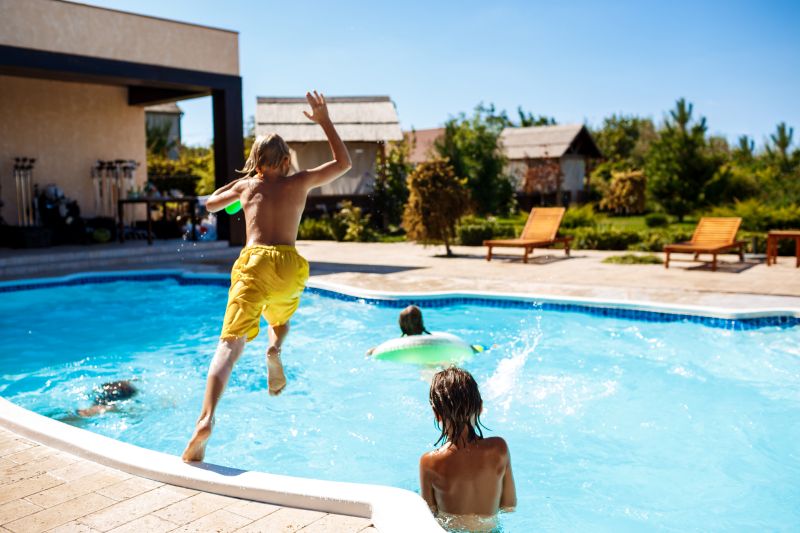
Hot weather places extra stress on your pool’s chemical balance, filtration system, and equipment. Understanding how heat affects your pool can help you take preventative action.
Faster Chlorine Loss
Sunlight’s ultraviolet (UV) rays break down chlorine, causing sanitizer levels to drop more quickly during hot weather. During a heat wave, chlorine that normally lasts several days may disappear much faster, leaving your pool vulnerable to bacteria and algae growth.
Increased Algae Growth
Warm water creates an ideal environment for algae growth. When chlorine levels fall and water temperatures rise, algae can multiply quickly, causing cloudy water, slippery surfaces, or a green tint.
More Swimmers, More Contaminants
Heat waves often mean more time spent in the pool. Increased swimmer activity introduces sunscreen, sweat, oils, dirt, and other organic materials into the water. These contaminants use up chlorine faster and can make it harder to maintain proper water balance.
Faster Evaporation
High temperatures increase evaporation, causing your water level to drop. As water evaporates, chemicals and minerals become more concentrated, which can affect your pool’s chemistry.
Summer Storms
Heavy rain after a heat wave can introduce debris, organic material, and contaminants into your pool. Stormwater can dilute chlorine levels and affect pH balance, making it important to test your water after major rainfall.
1. Test Your Pool Water More Frequently
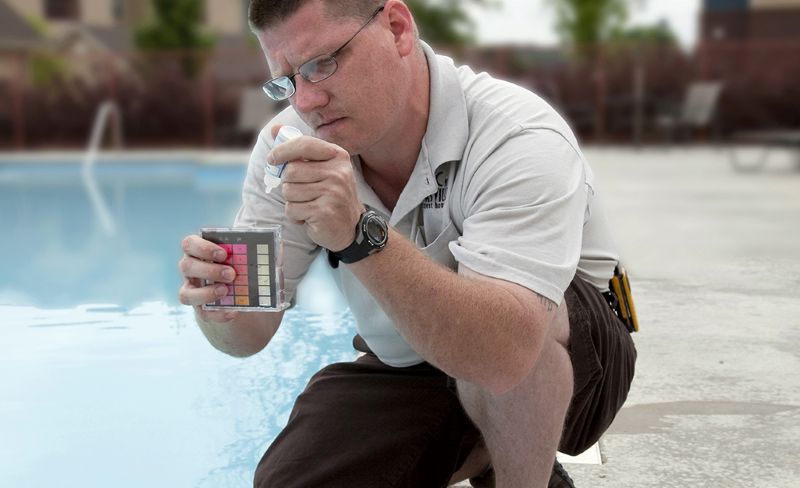
During extreme heat, testing your pool once a week is not enough. Water chemistry can change quickly due to heat, sunlight, and increased pool use.
For a complete testing routine, see our related guide: How Often Should You Test Pool Water?
Recommended Heat Wave Testing Schedule
- Daily: Test free chlorine and pH levels.
- Before and After Heavy Pool Use: Check sanitizer levels if hosting a pool party or having many swimmers.
- After Storms: Test your water after heavy rain to check for chemical changes.
Ideal Pool Water Levels
- Free Chlorine: 1.0–3.0 ppm
- pH Level: 7.2–7.8
- Total Alkalinity: 80–120 ppm
Keeping these levels balanced helps protect swimmers, improve chlorine effectiveness, and prevent damage to your pool equipment.
2. Maintain Proper Chlorine Levels
Chlorine is your pool’s main defense against bacteria and algae, but hot weather causes it to break down faster.
To protect your chlorine levels during a heat wave:
- Check stabilizer (cyanuric acid) levels: Stabilizer helps protect chlorine from being destroyed by sunlight.
- Add chlorine as needed: Your pool may require more frequent additions during extreme heat.
- Add chemicals in the evening: Applying chlorine after sunset allows it to work overnight without immediate UV exposure.
3. Run Your Pool Pump Longer
Circulation is one of the best defenses against algae growth. Stagnant water creates the perfect environment for problems to develop, especially during extreme heat.
During a heat wave, increase your filtration time to help keep chemicals evenly distributed and improve water quality. If you normally run your pump for 8 hours a day, consider increasing that time to 12 hours or even running it continuously during periods of extreme heat.
Running your pump during the hottest part of the day can help keep water moving when your pool is under the most stress from sunlight, high temperatures, and increased swimmer activity.
4. Prevent Algae Growth
Preventing algae is much easier and less expensive than trying to correct a serious algae problem after it starts. Hot weather creates the perfect conditions for algae, so staying proactive is important.
- Brush Regularly: Even if your water looks clear, brush pool walls, steps, and corners regularly to remove algae spores before they become a larger problem.
- Shock the Pool: Consider a preventative shock treatment after heavy use or during extended periods of hot weather to help eliminate organic contaminants and algae spores.
- Watch for Warning Signs: Cloudy water, a green tint, or slippery pool surfaces may indicate algae growth. Address these problems quickly before they become more difficult to fix.
5. Monitor Pool Water Levels
During a heat wave, you may notice your pool water level dropping faster than normal because of increased evaporation.
Check your water level daily. If it drops below the middle of the skimmer opening, your pump may begin pulling in air, which can damage the equipment.
When adding fresh water from a garden hose, remember that new water can affect your pool chemistry. Test your water after refilling and adjust chemicals if needed.
6. Keep Your Pool Clean During Heavy Use
More swimmers mean more organic contaminants entering your pool. Sunscreen, sweat, body oils, grass, and dirt can quickly affect water quality and increase chlorine demand.
To keep your pool cleaner during a heat wave:
- Ask swimmers to rinse off before entering the pool.
- Skim the surface daily to remove leaves, bugs, and debris before they sink and affect water quality.
- Empty skimmer baskets and pump baskets regularly to maintain proper water circulation.
7. Protect Your Pool Equipment
Extreme heat can put additional stress on your pool equipment. Your pump, filter, and circulation system are working harder during periods of high temperatures and increased pool use.
Check your pump regularly for signs of overheating and monitor your filter pressure.
If your filter pressure rises significantly above its normal clean reading, it may be time to clean your filter or perform maintenance. A clogged or dirty filter reduces water flow and makes it harder for your pool system to keep the water balanced.
8. Be Careful When Adding Pool Chemicals
Hot weather can speed up chemical reactions, making it important to handle pool chemicals carefully.
- Never mix different pool chemicals together in the same container.
- Follow manufacturer instructions carefully when adding chemicals.
- Store pool chemicals in a cool, dry, and well-ventilated location away from direct sunlight.
9. Use a Pool Cover When the Pool Is Not in Use
A pool cover can be a valuable tool during a heat wave. Covering your pool when it is not being used helps reduce evaporation, conserve water, and protect your chemical balance.
A solar cover can also help, although it should be removed if your pool water becomes excessively warm. Very warm water can make it more difficult to maintain proper sanitation and prevent algae growth.
Additional Tips for Keeping Your Pool Cool During a Heat Wave
While maintaining proper water chemistry is the most important part of heat wave pool care, there are additional ways to help manage rising water temperatures and improve swimmer comfort.
- Create shade around your pool: Umbrellas, shade sails, pergolas, and trees can help reduce direct sun exposure around your pool area.
- Run water features: Fountains, waterfalls, and pool aerators improve circulation and can slightly lower water temperatures through evaporation.
- Swim during cooler times of the day: Early morning and evening swimming can help reduce exposure to extreme daytime heat.
- Maintain your equipment: Clean filters, proper water flow, and regular inspections help your pool system handle the extra workload during hot weather.
Common Pool Problems During a Heat Wave
Extreme heat can create several common pool problems. Knowing what to look for can help you correct issues before they become serious and expensive to repair.
Cloudy Pool Water
Cloudy pool water may be caused by several issues, including low chlorine levels, poor filtration, high swimmer activity, or an imbalance in pH levels.
If your pool water becomes cloudy:
- Test your chlorine and pH levels.
- Clean or inspect your pool filter.
- Remove debris from the pool.
- Adjust chemicals as needed.
- Run your filtration system longer to improve water clarity.
Addressing cloudy water early can help prevent it from developing into a larger algae problem.
Green Pool Water
A green pool is usually a sign of algae growth. During a heat wave, algae can spread quickly when chlorine levels drop and water temperatures increase.
If your pool begins turning green:
- Check sanitizer levels immediately.
- Brush pool walls, steps, and floors.
- Remove visible debris.
- Shock the pool if necessary.
- Continue filtering the water until it clears.
Strong Chlorine Smell
A strong chlorine smell does not always mean there is too much chlorine in your pool. In many cases, it means chlorine is reacting with contaminants such as sweat, sunscreen, and oils in the water.
Testing your water chemistry can help determine whether chlorine levels are too low, too high, or simply being used up by contaminants.
Heat Wave Pool Maintenance Checklist
Keep this checklist handy during extreme summer temperatures to help protect your pool and keep your water clean and safe.
- Daily: Test chlorine and pH levels.
- Daily: Check water levels and refill if needed.
- Daily: Empty skimmer and pump baskets.
- Daily: Remove leaves, bugs, and debris from the pool surface.
- Every 2 Days: Brush pool walls and floors.
- Weekly: Check filter pressure and clean equipment when needed.
- Weekly: Shock the pool after heavy use or during extended hot weather.
Frequently Asked Questions
How often should I test my pool during a heat wave?
During a heat wave, daily testing is recommended. Chlorine levels can drop quickly because of increased sunlight, high temperatures, and heavier pool use. Regular testing helps prevent algae growth and keeps your pool safe for swimming.
Does hot weather reduce chlorine levels?
Yes. Sunlight’s UV rays break down chlorine, and warm water allows bacteria and algae to grow more quickly. This means your pool may require more frequent chlorine adjustments during extreme heat.
Should I shock my pool during a heat wave?
Yes, shocking your pool may be necessary during periods of extreme heat or after heavy pool use. Shock treatments help remove organic contaminants and eliminate algae spores that may survive normal chlorine levels.
Can a pool turn green during a heat wave?
Yes. If chlorine levels drop and water temperatures rise, algae can quickly take over. Testing your water regularly and maintaining proper sanitizer levels are the best ways to prevent green pool water.
Final Pool Care Reminder
A heat wave does not have to ruin your swimming season. By staying on top of your water chemistry, increasing filtration when needed, and watching for early warning signs, you can keep your pool clean, safe, and enjoyable throughout the hottest days of summer.
Regular testing, proper circulation, and quick attention to changes in water quality will help protect your investment and ensure your pool remains a refreshing escape when temperatures rise.