How Often Should You Test Pool Water? A Simple Schedule
5 min read
879 words
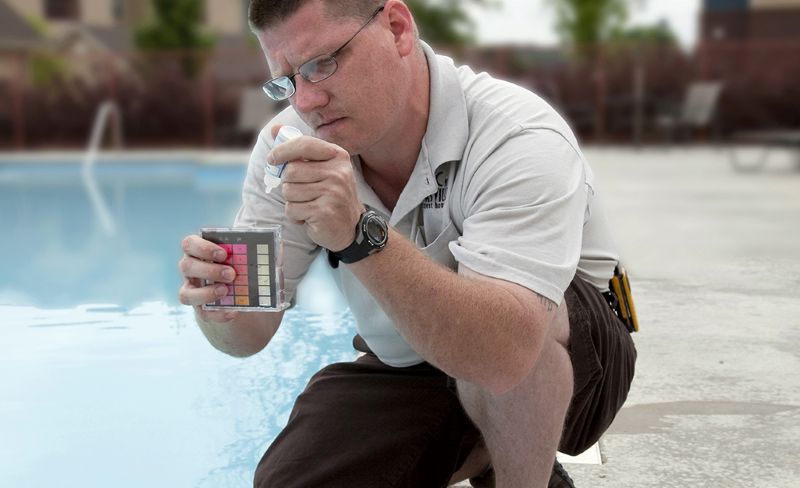
When you have asked yourself “how often should we test pool water“, you have already got an answer that is pretty concise: test pool water once every 2-3 days, even more frequently when there is much activity at the pool, when there is hot weather or after raining. This way you’ll be able to maintain your water chemistry and make your pool a safe place for swimming.
A clear water does not necessarily indicate a balanced water. There can be significant fluctuations in chlorine levels and pH even if the water appears clear, due to swimmers, debris, weather and sun exposure.That is why a trained pool owner doesn’t assume that a pool is safe just because it looks that way, they have a regular testing program.
Why Pool Water Testing Matters
Balanced pool water does more than keep your pool looking inviting. It helps:
- Remove any harmful bacteria and algae.
- Prevent skin irritation and eye irritation.
- Guard against corrosion and scaling of liners, pumps, filters, and heaters.
- Improve the effectiveness of chlorine and other sanitizing agents.
- Minimize the use of excessive chemicals and maintenance.
According to the CDC, pool owners should routinely test chlorine concentration and pH to help ensure water remains safe for swimmers throughout the season.
How Often Should You Test Pool Water?
This testing schedule is a general guideline for most residential swimming pools. Your pool may require more frequent testing depending on weather conditions, water temperature, pool usage, and other factors that can affect water chemistry.
- 2–3 times per week: Test free chlorine, pH, and sanitizer levels to maintain proper water balance and keep your pool safe for swimming.
- Daily: Test your pool water during heat waves, after pool parties, or whenever the pool experiences heavy use.
- After rainfall: Check your water chemistry, as rain can dilute chemicals and introduce contaminants that may affect your pool’s balance.
- Weekly: Test total alkalinity and check water clarity to help ensure your pool remains clean and properly balanced.
- Monthly: Test calcium hardness and stabilizer (cyanuric acid) levels to protect pool surfaces, equipment, and maintain chlorine effectiveness.
Following a consistent pool water testing routine makes it easier to catch small chemistry issues early before they develop into larger, more expensive problems.
What Should You Test?
There are a number of measurements that should be taken as part of a complete water test:
- Free Chlorine: Control of bacteria and algae.
- pH: Swimmer comfort and sanitizer’s efficiency ranges from 7.2 to 7.8.
- Total Alkalinity: Helps stabilize pH levels.
- Stops pool surfaces and equipment from becoming damaged.
With a good water testing kit, these readings can be easily accomplished.
Factors That Affect Testing Frequency
Some pools will need more regular testing than others. If any of the following occur, test your pool water more often:
- You have several swimmers that swim often.
- You have a high rainfall or a lot of wind.
- The water temperature is always warm.
- Fresh water or chemical has been added recently.
The chemistry of water is constantly changing, which means it is much better to test on a scheduled basis than when issues are detected.
Choosing Reliable Pool Testing Supplies
It is important to realize that the more accurate your apparatus is, the more accurate your results will be. At the trusted retailers such as Doheny’s, they supply reliable water testing products and a comprehensive pool maintenance kit. They sell pool supplies, chlorine tablets, pool shock, pool pump, filter, pool cleaning products, spa supplies, spa covers, and other spa maintenance products that are ideal for homeowners with swimming pools.
Doheny’s has established a reputation for itself by not only offering products from well-known manufacturers but also providing a high-quality pool product that meets pool owner expectations. From opening up your pool for the season, to making weekly maintenance decisions, having reliable testing equipment gives you the information you need to make informed choices rather than guesswork.
Keeping Pool Chemistry Balanced
Testing is just one of the elements of proper pool care. After checking the results, be sure to make the necessary chemical changes gradually in small increments. The more maintenance that is performed on the water chemistry, typically the smaller the changes, the more stable the water chemistry will be over time.
Similarly, the chemical balance and the regular circulation and filtration are coupled. Cleaning your pool and running the pump every day, brushing pool surfaces, removing debris and adding quality chlorine or pool shock when necessary are all factors in having clean and healthy water.
A lot of the seasoned pool owners also have a maintenance record. A weekly monitoring of test results will be helpful in determining trends, and can predict when adjustments may be needed.
A Smarter Routine for Healthier Water
The most obvious and easiest method to ensure that your pool stays safe is to perform tests on the water regularly and not once a year. Furthermore, regular testing is important for safety to the swimmers and to prevent growth of algae and cloudy water, as well as unnecessary wear and tear on equipment. Seasonal swims in the pool are a breeze just by using good quality housekeeping tools from suppliers such as Doheny’s, as well as testing equipment that works well. Using this approach aids in having a pool that is well maintained.