Babysitting Rates in Canada: How Much to Pay in 2026
11 min read
2050 words
Finding the right babysitter and knowing how much to pay can be challenging for parents. Babysitting rates in Canada vary depending on where you live, the sitter’s experience, the number of children, and the level of responsibility involved. It is a balancing act between respecting a caregiver’s time and experience while managing your family’s budget. Babysitting rates in Canada have increased in recent years due to changing economic conditions, higher living costs, and a growing recognition of the responsibility involved in caring for children.
Average Babysitting Rates in Canada (2026 Guide)
Quick Answer: How Much Should You Pay a Babysitter in Canada?
Teen sitter: $15–$20/hour
Experienced sitter: $20–$25/hour
Certified childcare provider: $25+/hour
Two sleeping children for 2½ hours: approximately $40–$50 flat rate
What are the Average Hourly Babysitting Rates in Canada?
Many Canadian families can expect to pay approximately $18 to $25 per hour for babysitting, depending on location, experience, and the number of children. However, this is a broad average. Babysitting rates can be significantly higher in major metropolitan areas and for sitters with specialized skills.
To give you a clearer picture, here’s what you can generally expect:
- Teen Babysitters: Often the most affordable option, teens with limited experience or those just starting out typically charge between $15 and $20 per hour.
- Experienced Babysitters: Caregivers with several years of experience, strong references, and a proven track record command rates in the $20 to $25 per hour range.
- Professional Childcare Providers: Nannies, early childhood educators (ECEs), or those with certifications like CPR and First Aid can charge $25+ per hour. Their rates reflect advanced training and a higher level of responsibility.
Why is there no single rate? Think of it like hiring any professional service. You would pay a certified electrician more than a handyman for complex work. Similarly, a sitter with early childhood education training who can manage multiple children, prepare meals, and handle emergencies brings more value to the role.
How Much Should You Pay a Babysitter for Sleeping Children?
Do you pay babysitter if kids sleep?
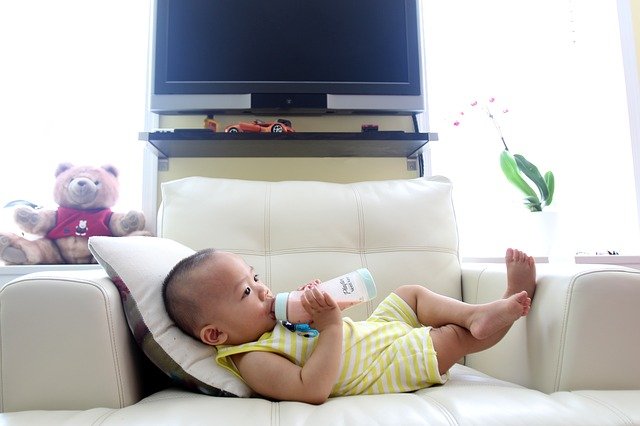
Yes. Even when children are asleep, the babysitter is still responsible for their safety and must remain available if something happens. They are still on duty, cannot leave the home, and need to be prepared to respond if a child wakes up or an emergency occurs.
A parent hiring a neighbour or teen sitter for 7:30 p.m. to 10:00 p.m. may agree on a flat rate of approximately $40–$50 for the evening. This works out to about $16–$20 per hour and reflects that the sitter is supervising rather than actively providing bedtime care.
Typical Hourly Rates at a Glance
| Type of Babysitter | Typical Hourly Rate (CAD) | Key Characteristics |
|---|---|---|
| Teen Babysitter | $15 – $20 | May have less experience; often a good option for simpler, shorter assignments. |
| Experienced Babysitter | $20 – $25 | Reliable, with several years of experience and good references. |
| CPR/First Aid Certified | $25+ | Trained to handle emergencies; often includes additional skills and experience. |
| Professional Nanny | Higher hourly or salary rates | Often for regular, long-term care; responsibilities may include meals, homework help, and transportation. |
Babysitting Rates by Province in Canada
Where you live plays a huge role in the average babysitting rate. Higher costs of living in major cities translate to higher rates for services like childcare.
Ontario Babysitting Rates
Ontario’s minimum wage rules provide context, but babysitting rates are typically higher because childcare involves responsibility, trust, and safety. Many casual teen babysitters charge around the student minimum wage or slightly above, while experienced caregivers often charge significantly more. Because childcare involves significant responsibility, experienced adult sitters in major hubs naturally command a premium above this entry-level baseline.
- Toronto: As Canada’s largest city, Toronto sees higher averages, often $20–$25 per hour or more for experienced sitters.
- Ottawa & Hamilton: Major urban centres like Ottawa and Hamilton typically see rates slightly lower than Toronto but still above the provincial average, ranging from $18–$22 per hour.
- Rural Ontario: In smaller towns and rural communities, you may find rates closer to the $15–$18 per hour range, especially for casual arrangements with local teens.
British Columbia Babysitting Rates
British Columbia, particularly the Lower Mainland and Vancouver, consistently has some of the highest rates in the country due to the high cost of living. Vancouver averages can easily be $20–$24 per hour. In areas like Victoria or Kelowna, rates are similar, while more remote communities may be slightly lower.
Alberta Babysitting Rates
In Alberta, the major cities of Calgary and Edmonton have competitive rates, typically between $18 and $22 per hour. There is often less variation between urban and rural rates compared to other provinces, but major urban centres still lead the market.
Quebec Babysitting Rates
Quebec has a unique childcare landscape. There is often a clear distinction between casual babysitting for evenings or occasional outings and professional childcare, which may be more formalized. Casual rates in Montreal can range from $16 to $21 per hour. This closely tracks Quebec’s general minimum wage of $16.60 per hour, though local expectations are also influenced by the province’s unique regulated childcare spaces.
Atlantic Canada Babysitting Rates
In the Atlantic provinces (Nova Scotia, New Brunswick, PEI, Newfoundland and Labrador), the cost of living is generally lower, which is reflected in babysitting rates. Smaller communities are common, and you can often find reliable care in the $14–$18 per hour range. In capital cities like Halifax or St. John’s, rates may lean toward the higher end of that spectrum.
What Factors Affect Babysitter Pay?
Number of Children
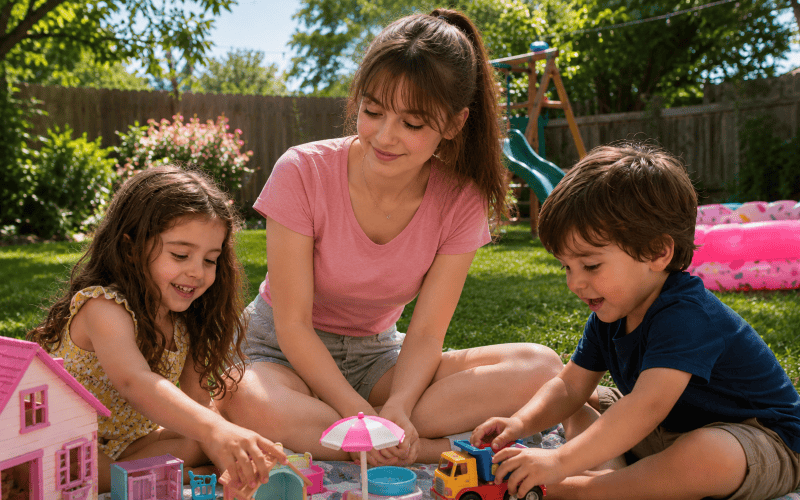
The core rule is simple: more children mean more responsibility. It’s standard practice to add $2–$5 per hour for each additional child. Watching three children is significantly more demanding than watching one, and the rate should reflect that.
Ages of the Children
- Infants and Toddlers (0–3 years): Require constant attention, handling, feeding, and diaper changes. This is often the most demanding age group and commands higher rates.
- School-Aged Children (4–12 years): May need help with homework, meals, and organized activities, but are generally more independent.
- Teenagers: Typically need supervision more than hands-on care, but require a responsible adult for safety.
Babysitter Experience
A teenager looking for pocket money will not charge the same as a career childcare provider. Experience, maturity, and a long history of reliable references justify higher pay.
Certifications and Skills
Specialized skills are valuable. A sitter with a current CPR and First Aid certification is prepared for emergencies. Experience with special needs or multiple languages can also justify a higher rate.
Time and Schedule
- Weeknights: These are the standard, most common booking times.
- Weekend Evenings: Often command a slightly higher rate, as the sitter is giving up their own social time.
- Holidays: Expect to pay a premium, similar to holiday pay rates in other jobs.
- Overnight Care: This is typically calculated differently, often with a higher flat rate for the night plus a smaller hourly fee for active hours.
Should You Pay More for Two Children?
Yes. As mentioned, the additional child premium ($2–$5 extra per hour) is standard. The cognitive load and physical demands of supervising two or more children, especially if they are close in age are significantly higher.
However, for simple, short evening bookings where children are sleeping, some families and sitters agree to a flat evening rate instead of hourly billing. This should be discussed and agreed upon beforehand.
Babysitter vs. Nanny: What Is the Difference?
Understanding this distinction helps set clear expectations for pay and duties.
- Babysitter: Provides occasional, short-term care. Paid an hourly rate for specific bookings (e.g., a date night). Responsibilities are typically focused on supervision, basic routines, and safety.
- Nanny: Provides regular, ongoing childcare, often as a household employee. May have duties that include meals, transportation, homework help, and developmental activities. Can be paid hourly or a weekly/monthly salary, and may receive benefits. A nanny is a more significant, long-term employment relationship.
How Much Should You Pay a Teen Babysitter?
Teen babysitters, typically between 14 and 17, are a fantastic option for families. They are often eager to work and can offer a more affordable rate, usually $15–$20 per hour.
- When they may charge less: For their very first few jobs, or if it’s a simple, one-child evening with a neighbour they know well.
- Reliability over age: A responsible, mature 16-year-old with a First Aid certificate may be worth more than an unreliable 25-year-old. Always check references.
- Respect their time: Even if their rate is lower, they are providing a professional service. Paying them promptly and respecting the agreed-upon hours is crucial.
Should You Offer a Minimum Number of Hours?
Many babysitters, especially experienced ones, prefer a minimum booking to make it worthwhile for their time and travel. Common minimums include:
- A two-hour minimum.
- A three-hour minimum.
- A flat evening rate for any booking of 4 hours or less.
This should be communicated clearly when you first book them. It’s a standard professional practice.
Babysitter Payment Etiquette in Canada

Good etiquette ensures a positive, long-term relationship with your caregiver.
- Cash vs. E-Transfer: Cash is always appreciated for its immediacy. E-Transfer is also very common and convenient. Always ask their preference.
- When to Pay: Pay at the end of the evening when you return home. Have the money ready so you aren’t making them wait.
- Late Returns: If you are going to be late, communicate immediately. It is customary to offer additional pay for the extra time, at least at the agreed-upon hourly rate.
- Cancellation: If you must cancel a confirmed booking, offer to pay at least half the rate, especially if it’s last-minute. This shows respect for the sitter reserving the time for you.
- Holiday/Last-Minute Bookings: Recognize that you are asking for time during peak social hours. Paying a higher rate or a bonus is a kind gesture.
How to Find a Fair Babysitting Rate in Your Community
- Ask Local Parent Groups: Online forums (like local Facebook parenting groups) are goldmines for real-world advice on current rates in your exact neighbourhood.
- Check Local Listings: Websites or apps used in your community for childcare services often show what other families are paying.
- Consider Your Child’s Needs: A child with special needs or multiple children requires more skill and will cost more. Be upfront about your requirements.
- Value Experience: A sitter who can give you complete peace of mind is worth a fair, competitive rate.
Key Takeaway: Fair Babysitting Rates in Canada
- A teen babysitter: $15–$20/hour
- An experienced babysitter: $20–$25/hour
- A certified childcare provider:$25+/hour
- Two sleeping children for 2½ hours: about $40–$50 total
Frequently Asked Questions (FAQ)

How much should I pay a babysitter for 3 hours in Canada? For one child, with an experienced sitter, expect to pay between $60 and $75 (based on $20–$25/hour). Some sitters may have a 3-hour minimum instead of hourly billing.
Is $20 an hour fair for babysitting in Canada? Yes, $20 per hour is a very fair and common rate in 2026 for an experienced babysitter watching one child in most Canadian regions. In major cities like Toronto or Vancouver, it may be on the lower end for highly experienced sitters.
Should I pay a babysitter if my kids sleep the whole time? Yes, you should. You are paying for their time, responsibility, and readiness to act. The babysitter remains on duty throughout the entire period you are away.
How much more should I pay for two children? Many babysitters increase their rate by approximately $2–$5 per hour when caring for additional children, although some prefer a flat evening rate.
What is the minimum age to babysit in Canada? There is no single national law. It varies by province and is generally based on maturity and capability rather than a strict age. It is commonly accepted that children under 12 should not be left as babysitters, and many provinces recommend children be at least 13 to babysit others.
Do babysitters charge more on weekends? Often, yes. Weekend evenings (Friday and Saturday nights) are peak social times, and many babysitters charge a slightly higher rate or expect a booking minimum.
Conclusion
Determining a fair babysitter rate in 2026 is about more than just picking a number from a list. It is an informed decision that balances your family’s budget, the specific needs of your children, and the valuable time, skill, and responsibility of your caregiver. The best approach is to communicate openly about expectations, duties, and pay before any booking is confirmed. A reliable, responsible babysitter is an invaluable resource for your family and is worth paying fairly for the peace of mind they provide.