
How to Remove Plaque from Teeth: The Complete Guide
12 min read
2312 words
We’ve all run our tongue across our teeth and noticed that fuzzy, sticky film. That’s dental plaque is a thin layer of bacteria that forms on your teeth every day. While it may seem harmless, plaque is the leading cause of cavities, gum disease, and persistent bad breath. If left untreated, it hardens into tartar, which can only be removed by a dental professional. The good news is that removing plaque from teeth is simple when you follow the right daily routine. In this guide, you’ll learn what plaque is, why it forms, how to remove it safely at home, and the best ways to prevent it from returning.
Did You Know?
- Nearly everyone develops dental plaque every day.
- Plaque can begin forming within minutes after brushing.
- It can harden into tartar in as little as 24–72 hours.
- Gum disease affects nearly half of adults over age 30.
- Daily brushing and flossing are the most effective ways to remove plaque before it causes damage.
1. What Is Dental Plaque?
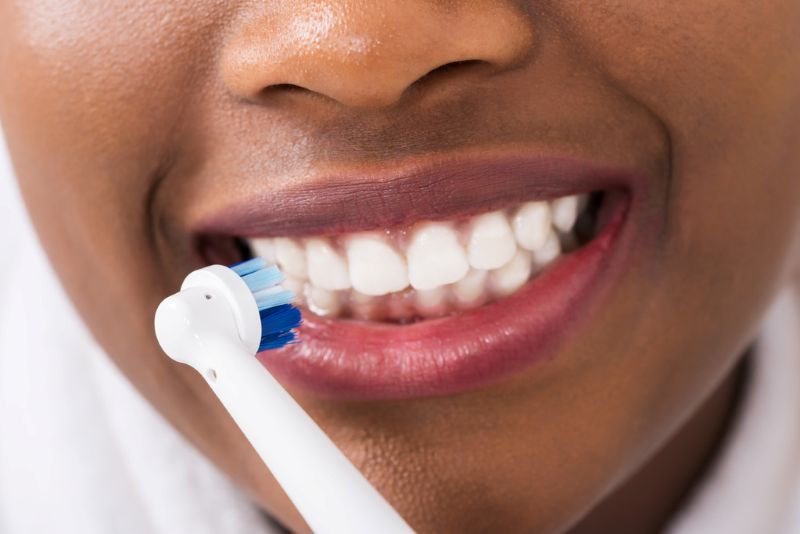
What Is Plaque?
Dental plaque is a sticky, colorless film of bacteria that constantly forms on teeth. It’s not just debris from food; it’s a complex microbial community, or biofilm, that adheres tenaciously to tooth surfaces. This formation is a natural process. Throughout the day and night, bacteria in your mouth multiply, combine with food particles and proteins from your saliva, and begin to colonize your teeth.
How Plaque Develops
The process starts within minutes of brushing. Saliva contains minerals and proteins that allow bacteria to stick to the enamel. These bacteria, primarily Streptococcus mutans, feed on the sugars and starches you eat. As they metabolize these carbohydrates, they produce acids as a byproduct. Plaque accumulates most readily in hard-to-reach areas: along the gumline, between teeth, and on the chewing surfaces of molars.
Plaque vs. Tartar
This is a critical distinction. Plaque is soft and can be removed with daily brushing and flossing. If it isn’t removed, it absorbs minerals from your saliva and hardens into a concrete-like substance called tartar (or calculus) within 24 to 72 hours. Once plaque has mineralized into tartar, it cannot be removed with a toothbrush or floss. It forms a rough surface that attracts even more plaque, creating a vicious cycle. Tartar can only be removed by a dental professional using specialized tools.
2. What Causes Plaque Buildup?
Understanding the causes is the first step to prevention.
- Poor Oral Hygiene: Inconsistent or inadequate brushing and flossing is the primary culprit. Missing hard-to-reach areas allows plaque to flourish undisturbed.
- Diet High in Sugar and Carbohydrates: Bacteria thrive on simple sugars and refined carbs (like soda, candy, white bread). The more frequently you snack on these, the more acid attacks your teeth experience.
- Dry Mouth (Xerostomia): Saliva is your mouth’s natural rinse cycle—it washes away food particles, neutralizes acids, and carries disease-fighting substances. A lack of saliva, due to medications, medical conditions, or breathing through your mouth, significantly increases plaque risk.
- Smoking and Tobacco Use: Tobacco use reduces saliva flow, introduces chemicals that irritate gum tissue, and makes it harder for gums to heal. This creates a prime environment for plaque buildup and accelerates progression to periodontal disease.
- Other Risk Factors: Dental braces or other orthodontic appliances create more surfaces for plaque to cling to. Crowded teeth make proper cleaning difficult. Certain medications (like some antidepressants or blood pressure drugs) can cause dry mouth as a side effect. Aging can also lead to gum recession and reduced dexterity, making hygiene more challenging.
Common Signs You Have Plaque
- Teeth feel fuzzy
- Yellow or white film on teeth
- Bad breath
- Bleeding gums
- Swollen gums
- Tooth sensitivity
3. How to Remove Plaque from Teeth at Home
Your daily home care routine is your first and best line of defense.
Brush Your Teeth Properly
- Brush Twice Daily: Divide your mouth into four sections and spend approximately 30 seconds cleaning each quadrant. This helps ensure every tooth surface receives equal attention and prevents missed areas where plaque often accumulates.
- Use Fluoride Toothpaste: Fluoride is a mineral that strengthens tooth enamel, making it more resistant to acid attacks from plaque bacteria. It can even reverse early stages of tooth decay.
- Master the Correct Technique: Hold your toothbrush at a 45-degree angle to the gumline. Use gentle, short circular or vibrating motions (the Bass technique) rather than aggressive scrubbing. Clean all surfaces: the outer, inner, and chewing surfaces of every tooth. Don’t forget to gently brush your tongue to remove bacteria and freshen breath.
- Replace Your Toothbrush: Swap out your toothbrush or electric brush head every three to four months, or sooner if the bristles become frayed and worn.
Floss Every Day

Plaque loves to hide between teeth where toothbrush bristles can’t reach. Flossing isn’t optional—it’s essential.
- Proper Flossing Technique: Use about 18 inches of floss, winding most around your middle fingers. Gently guide the floss between teeth using a rubbing motion. When it reaches the gumline, curve it into a C-shape against one tooth and slide it gently into the space between the gum and tooth. Repeat on the other side of the gap.
- Alternatives to Traditional Floss: If traditional floss is difficult, consider a water flosser (oral irrigator), floss picks, or interdental brushes. All are effective at disrupting plaque between teeth.
Use an Antibacterial Mouthwash
Mouthwash can be a powerful adjunct. It helps reduce bacterial counts, freshens breath, and can reach areas brushing and flossing might miss. Use it after brushing and flossing for best results, following the product’s directions (don’t rinse with water afterward to let the active ingredients work).
Clean Your Tongue Daily
Your tongue harbors millions of bacteria that contribute to plaque formation and bad breath. Gently brushing your tongue or using a tongue scraper once a day helps reduce bacteria and improves overall oral hygiene.
Electric Toothbrush vs. Manual Toothbrush
Both can be effective when used correctly. Studies often show that oscillating-rotating electric toothbrushes remove slightly more plaque from teeth and reduce gingivitis more than manual brushes, thanks to their consistent motion and built-in timers. However, a manual brush used with excellent technique is far superior to an electric brush used poorly. Choose the option you will use consistently and correctly.
Dentists recommend:
- Soft-bristled toothbrushes
- ADA-approved fluoride toothpaste
- Replacing brush heads every 3–4 months
4. Natural Ways to Help Reduce Plaque
These methods can support your daily routine but should not replace brushing and flossing.
- Eat Crunchy Fruits and Vegetables: Foods like apples, carrots, and celery act as natural toothbrushes, stimulating saliva production and gently scrubbing tooth surfaces.
- Drink Water Throughout the Day: Water helps rinse away food particles and sugars, and it keeps you hydrated for healthy saliva production. Sipping water after meals is particularly beneficial.
- Chew Sugar-Free Gum: Especially after meals when you can’t brush, chewing sugar-free gum (look for xylitol) stimulates saliva flow, which neutralizes acids and helps wash away plaque.
- Limit Sugary Snacks and Drinks: Reducing the frequency of sugar intake starves the plaque bacteria of their fuel source.
5. Professional Dental Cleaning
Even with impeccable home care, some plaque will inevitably harden into tartar in hard-to-reach areas. That’s why professional cleanings are crucial.
What Happens During a Cleaning? A dental hygienist will perform an oral examination, then use specialized tools called scalers (both hand-held and ultrasonic) to meticulously remove plaque and tartar from above and below the gumline. Your teeth are then polished to remove surface stains and make it harder for plaque to adhere quickly. In some cases, a fluoride treatment may be applied to further strengthen enamel.
How Often Should You Get Cleaned? The standard recommendation is every six months for most people. However, your dentist may recommend more frequent cleanings (every 3-4 months) if you have a history of gum disease, significant plaque buildup, or other risk factors.
Read more: 5 Signs It’s Time to See a Dentist
6. What NOT to Do
In your effort to remove plaque from teeth, avoid these dangerous practices:
- Don’t Scrape Your Teeth Yourself: Using sharp instruments can irreversibly damage your enamel and injure your gums, leading to infection.
- Avoid Unsafe DIY Methods: Harsh abrasives or acids can erode enamel. Be cautious with:
- Baking Soda Overuse: Occasional use is okay, but daily scrubbing can wear down enamel.
- Lemon Juice or Vinegar: The high acid content will dissolve tooth enamel.
- Activated Charcoal: Its abrasiveness can scratch enamel and its long-term effects are questionable.
- Metal Dental Tools: These are not for home use and pose a high risk of injury.
- Don’t Ignore Warning Signs: If you notice bleeding gums, persistent bad breath (halitosis), loose teeth, gum recession, or increased tooth sensitivity, see your dentist promptly. These are signs of gum disease or other issues that require professional care.
7. Signs of Excessive Plaque Buildup
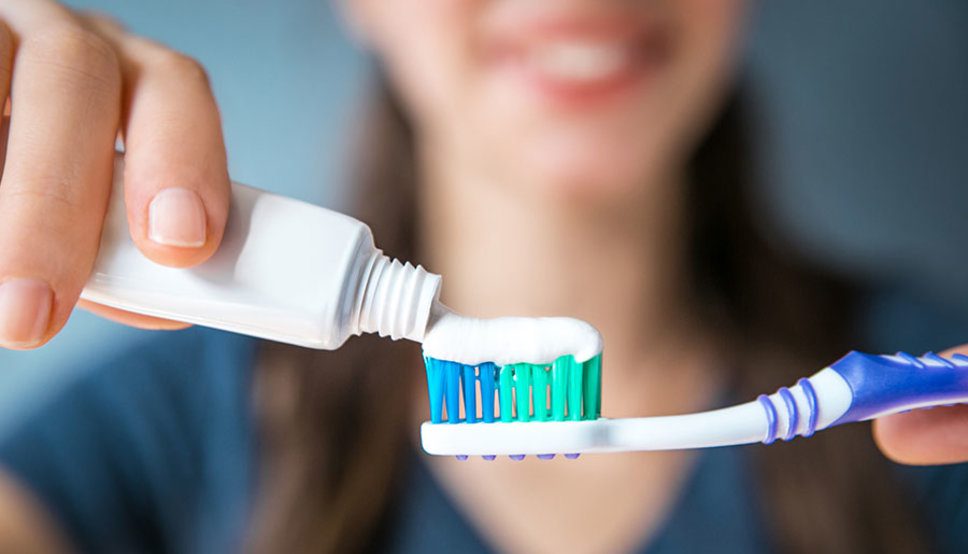
Be vigilant for these indicators:
- Visible Film: A white or yellowish, fuzzy coating on your teeth.
- Persistent Bad Breath: Caused by the bacterial waste products in plaque.
- Red, Swollen, or Bleeding Gums: This is gingivitis, the earliest and reversible stage of gum disease.
- Tooth Sensitivity: Plaque acids can irritate the tooth nerve.
- Rough Feeling Teeth: Run your tongue over your teeth—if they feel fuzzy or rough instead of smooth, it’s plaque.
8. How to Prevent Plaque from Coming Back
Prevention is about building sustainable habits:
- Build a Rock-Solid Daily Routine: Brush twice, floss once, use mouthwash consistently.
- Eat a Tooth-Friendly Diet: Limit sugary snacks, choose calcium-rich foods (like cheese and yogurt), and snack on crunchy vegetables.
- Stay Hydrated: Sip water throughout the day to maintain saliva flow.
- Visit Your Dentist Regularly: Don’t skip check-ups and professional cleanings. They are key to catching problems early.
- Replace Products on Schedule: A worn-out toothbrush is ineffective. Keep your tools in top shape.
9. Frequently Asked Questions

Can plaque be removed at home? Yes, soft, newly formed plaque can be effectively removed at home with proper brushing and flossing techniques.
How long does it take for plaque to harden into tartar? Plaque can begin to mineralize and harden within 24 to 72 hours.
Does baking soda remove plaque? Baking soda (sodium bicarbonate) is a mild abrasive that can help remove surface stains and freshen breath. However, it is not a substitute for the mechanical action of brushing with fluoride toothpaste, and overuse can damage enamel.
Can mouthwash replace brushing and flossing? No. Mouthwash is an antimicrobial rinse that helps reduce bacteria, but it cannot physically remove the sticky plaque biofilm from your teeth like brushing and flossing do.
Is plaque the same as tartar? No. Plaque is a soft, sticky biofilm that can be removed with daily oral hygiene. Tartar is hardened, mineralized plaque that is firmly attached to the tooth and requires professional removal.
How often should I have my teeth professionally cleaned? Most people should have a professional cleaning every six months. Your dentist may recommend a different schedule based on your individual oral health needs.
Can plaque cause loose teeth?
Yes. Plaque itself doesn’t make teeth loose, but if it isn’t removed, it can lead to gum disease (periodontal disease). As plaque hardens into tartar, bacteria irritate the gums, causing inflammation and infection. Over time, advanced gum disease can damage the bone and tissues that support your teeth, eventually causing teeth to become loose or even fall out. Early treatment and good oral hygiene can help prevent this progression.
Can plaque damage dental implants?
Yes. Although dental implants can’t develop cavities, plaque can still accumulate around the implant and surrounding gums. If it’s not removed, it can cause an inflammatory condition called peri-implant mucositis, which may progress to peri-implantitis. This infection can damage the bone supporting the implant and may lead to implant failure if left untreated. Regular brushing, flossing, and professional cleanings are essential for maintaining healthy dental implants.
Is plaque worse at night?
Plaque can become more problematic at night because saliva production naturally decreases while you sleep. Saliva helps wash away food particles, neutralize acids, and control bacteria. With less saliva, plaque bacteria have a better environment to multiply and produce acids that attack tooth enamel. That’s why brushing and flossing before bed is one of the most important steps in your daily oral hygiene routine.
Does plaque cause yellow teeth?
Yes, plaque can make teeth appear yellow or dull. Fresh plaque is usually colorless or pale white, but as it builds up, it can trap food particles, bacteria, and stains from coffee, tea, wine, or tobacco. If plaque hardens into tartar, it often develops a yellow or brown color that can only be removed during a professional dental cleaning. Removing plaque regularly helps keep teeth looking cleaner and brighter.
Can children get plaque?
Absolutely. Plaque forms on everyone’s teeth, including children, as soon as teeth begin to erupt. Children who consume sugary snacks or don’t brush and floss properly are especially prone to plaque buildup, which can lead to cavities and early gum disease. Parents should encourage brushing twice a day with fluoride toothpaste, flossing once teeth begin touching, and regular dental checkups to establish healthy lifelong habits.
What’s the fastest way to remove plaque from teeth?
The fastest and most effective way to remove soft plaque from teeth is by brushing thoroughly for two minutes with a fluoride toothpaste and a soft-bristled toothbrush, followed by daily flossing to clean between the teeth. An antibacterial mouthwash can help reduce bacteria, but it shouldn’t replace brushing or flossing. If plaque has already hardened into tartar, the only safe and effective way to remove it is through a professional dental cleaning performed by a dentist or dental hygienist.
Conclusion
Healthy teeth begin with healthy habits. Brushing twice a day, flossing daily, using fluoride toothpaste, and scheduling regular dental checkups are the most effective ways to keep plaque under control. Small daily efforts can prevent costly dental treatments in the future, helping you maintain a brighter smile and healthier gums for years to come.