How Can Parents Help Children Overcome Dental Anxiety?
5 min read
813 words
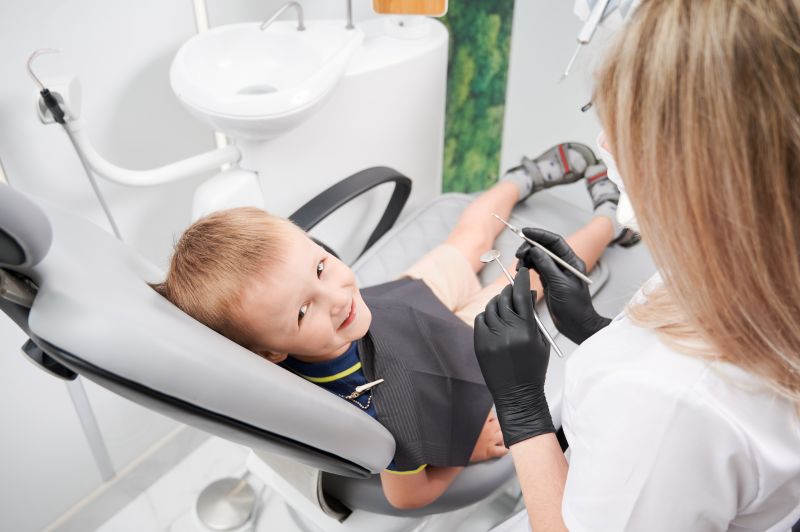
Dental anxiety is a common experience among children of all ages. For some, nervousness may stem from fear of the unknown, while others may feel uneasy because of past experiences, stories they have heard, or concerns about discomfort. When anxiety becomes significant, it can make dental appointments challenging for both children and parents.
Fortunately, dental fear can often be reduced with patience, preparation, and positive reinforcement. Helping children feel comfortable with dental care is important because regular visits play a key role in maintaining healthy teeth and gums. By understanding the causes of anxiety and taking proactive steps to address them, parents can help children develop confidence that supports a lifetime of positive dental experiences.
Understanding the Source of Dental Anxiety
The first step in helping a child overcome dental anxiety is understanding where those fears originate. Some children become nervous because they are entering an unfamiliar environment filled with new sights, sounds, and people. Others may worry about potential pain or simply feel uncomfortable when they do not know what to expect.
Children often have vivid imaginations, which can sometimes make situations seem more frightening than they actually are. A simple dental cleaning may be interpreted as something much more intimidating if the child lacks a clear understanding of the process. Taking time to listen to a child’s concerns can help parents identify specific fears and address them appropriately.
Open communication is important because it allows children to feel heard and supported. When parents acknowledge concerns without dismissing them, children are more likely to trust the reassurance they receive.
Preparing Children Before the Appointment
Preparation can significantly reduce feelings of uncertainty. When children know what to expect, situations often feel less intimidating and easier to manage. Parents can explain the purpose of the visit and describe what may happen in simple, age appropriate terms.
Reading children’s books about dental visits or watching educational videos together can help familiarize young patients with the process. These resources often present dental care in a friendly and approachable way, making appointments feel less mysterious.
Pretend play can also be highly effective. Parents can take turns acting as the dentist and patient, allowing children to explore the experience in a safe and comfortable environment. This type of preparation helps build familiarity and confidence before the actual visit.
Using Relaxation Techniques
Simple relaxation strategies can help children remain calm before and during dental visits. Deep breathing exercises are particularly effective because they encourage relaxation and can shift focus away from anxious thoughts. Parents can practice these techniques with children at home so they become familiar and comfortable using them.
Visualization is another useful tool. Encouraging a child to imagine a favorite place, activity, or positive memory can help redirect attention during potentially stressful moments. Some children also benefit from listening to calming music or holding a favorite toy.
The goal is not to eliminate every feeling of nervousness but to provide children with practical tools they can use to manage their emotions. Learning these coping skills can benefit them in many different situations throughout life.
Building Trust Through Positive Experiences

Trust is one of the most important factors in overcoming dental anxiety. Positive experiences help children realize that dental visits are safe, supportive, and beneficial. Each successful appointment can gradually replace fear with confidence.
Parents should praise children for their bravery and cooperation, regardless of how small the accomplishment may seem. Positive reinforcement helps children recognize their own progress and encourages continued growth. Focusing on successes rather than moments of fear creates a more encouraging experience.
Working with a pediatric dentist in San Diego can also help foster trust. Pediatric dental professionals are often specially trained to communicate with children, ease fears, and create welcoming environments that promote positive experiences.
Maintaining Consistent Dental Visits

Avoiding the dentist because a child feels anxious may seem like a short term solution, but it can actually reinforce fear over time. Consistent routine visits help children become familiar with the dental environment and reduce uncertainty.
When appointments occur regularly, children learn that dental care is a normal part of staying healthy rather than something that only happens when a problem develops. This familiarity can significantly reduce anxiety and improve cooperation during future visits.
Routine preventive care also helps minimize the need for more extensive procedures. Positive experiences with regular checkups can make children more comfortable if treatment is ever required later on.
Conclusion
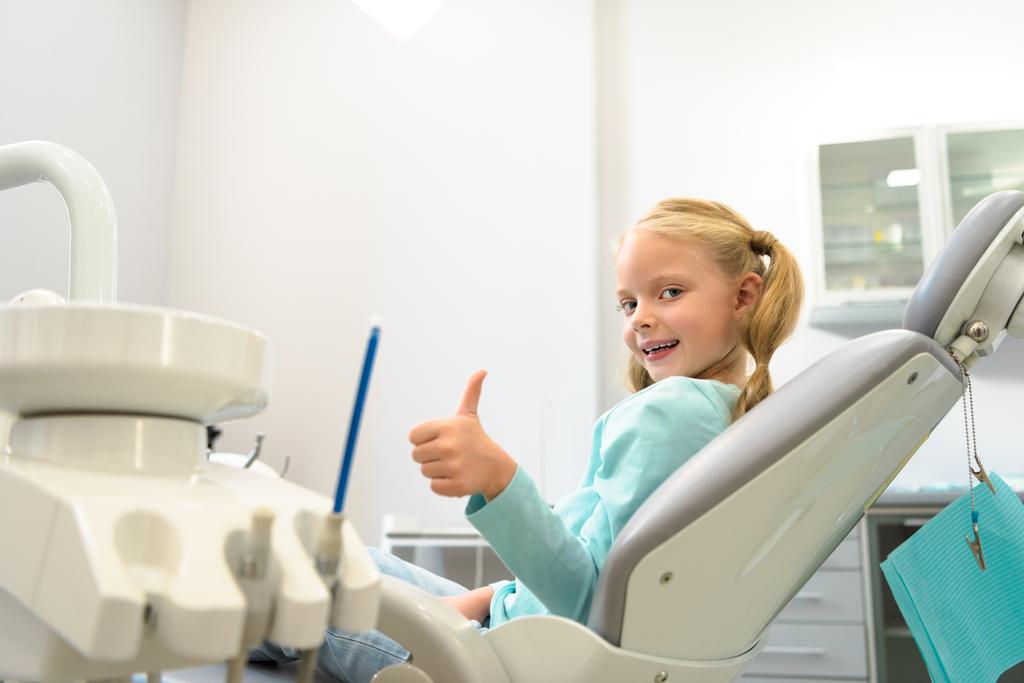
Dental anxiety is a common challenge, but it does not have to interfere with a child’s oral health. Through preparation, positive communication, relaxation techniques, and consistent support, parents can help children feel more comfortable and confident during dental visits.
Creating positive dental experiences during childhood can have lasting benefits that extend well into adulthood. By helping children overcome their fears and build trust in dental care, parents support healthier smiles, greater confidence, and a lifelong commitment to oral wellness.