35 Camping Essentials for Every Outdoor Adventure
19 min read
3780 words
Camping is one of the best ways to reconnect with nature, slow down, and spend meaningful time with family or friends. Whether you’re heading to a provincial park, a national park, or a remote backcountry site, the right camping essentials can make the difference between a stressful trip and a smooth, enjoyable experience.
This complete camping essentials checklist covers everything you need for safety, comfort, cooking, sleeping, and outdoor survival. From beginner campers to experienced adventurers, this guide helps you pack smarter and avoid forgetting important gear.
Quick Camping Essentials Checklist
Need a quick reference before you hit the road? Here’s a snapshot of the most important camping gear to pack.
- Tent
- Ground tarp or footprint
- Sleeping bag
- Sleeping pad
- Camping pillow
- Portable stove
- Fuel
- Cooler
- Cookware and utensils
- Water bottles
- Flashlight or headlamp
- Lantern
- First aid kit
- Multi-tool
- Map and compass
- Rain jacket
- Hiking boots
- Extra clothing
- Sunscreen
- Insect repellent
- Hand sanitizer
- Toilet paper
- Camp chairs
- Portable power bank
Shelter Camping Essentials: Your Home Away From Home
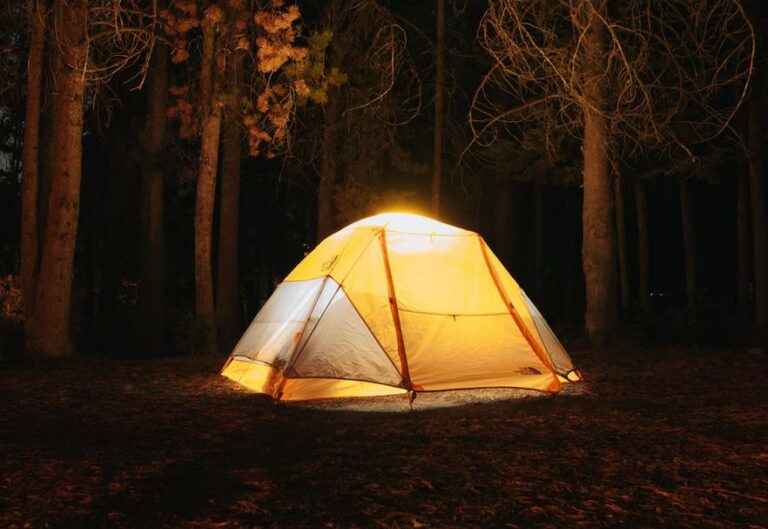
Your shelter is one of the most important pieces of camping equipment you’ll bring. A quality tent protects you from wind, rain, insects, and changing weather conditions while providing a comfortable place to rest after a day outdoors.
Investing in reliable shelter can significantly improve your camping experience and help you stay safe throughout your trip.
1. Tent
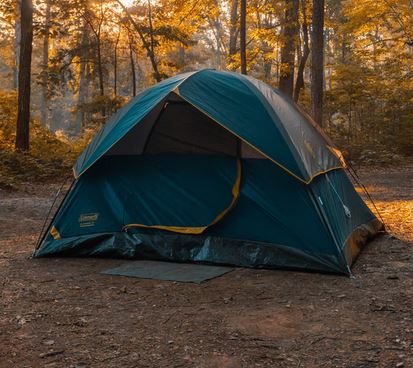
A quality setup starts with good shelter, so read our guide to choosing the best camping tent before you buy.
Choose a tent that’s appropriate for the number of campers and expected weather conditions. While manufacturers often advertise a tent’s maximum capacity, selecting one that’s rated for one or two additional people provides extra room for gear and greater comfort.
For most spring, summer, and fall camping trips, a 3-season tent offers the ideal balance of ventilation, weather protection, and weight. If you plan to camp during winter or in extreme conditions, a 4-season tent provides additional protection against heavy snow and strong winds.
Packing Tip: Set up your tent in your backyard before your trip. Practicing at home helps you identify missing parts and makes campsite setup much easier.
2. Ground Tarp or Footprint
A tent footprint or ground tarp protects the bottom of your tent from rocks, sticks, moisture, and abrasion.
This inexpensive piece of gear can extend the life of your tent by preventing unnecessary wear and tear while helping keep moisture from seeping through the floor after rain.
Always ensure the tarp fits underneath the tent without extending beyond the edges, as exposed material can collect rainwater underneath your shelter.
3. Tent Stakes
Many tents include lightweight stakes, but they aren’t always suitable for rocky or hard-packed ground.
Consider upgrading to aluminum or V-shaped stakes that offer improved grip and durability. Pack a few extra stakes in case one bends or gets lost.
Properly securing your tent helps it withstand sudden wind gusts and changing weather.
4. Mallet
Driving tent stakes into compact soil using rocks or shoes can damage both your gear and your hands.
A lightweight rubber or wooden mallet makes pitching your tent faster, easier, and safer while reducing the chance of bending stakes.
Many campers overlook this simple tool until they need it.
5. Extra Guy Lines
Guy lines stabilize your tent during windy conditions and help prevent damage.
Extra lines can replace broken ones or provide additional support during storms. Reflective guy lines are especially useful because they’re easier to see at night, helping prevent accidental trips around your campsite.
Camping Tip: Check the weather forecast before leaving home. Even if clear skies are expected, always secure your tent with all guy lines—you never know when weather conditions may change.
Sleeping Essentials: The Key to a Comfortable Camping Trip
After hiking, swimming, fishing, or exploring, a comfortable night’s sleep helps you wake refreshed and ready for another day outdoors.
Quality camping sleeping gear isn’t just about comfort—it’s also essential for staying warm, maintaining energy, and reducing fatigue.
6. Sleeping Bag
Your sleeping bag should match both the season and the overnight temperatures you’ll encounter.
Down-filled sleeping bags offer excellent warmth while remaining lightweight, making them ideal for backpacking. Synthetic sleeping bags are often more affordable and continue insulating even when damp, making them an excellent choice for unpredictable weather.
Whenever possible, choose a sleeping bag rated slightly colder than the lowest expected nighttime temperature.
7. Sleeping Pad
A sleeping pad does far more than cushion the ground.
It provides valuable insulation by preventing body heat from escaping into the cold earth. Even during summer camping, temperatures near the ground can drop significantly overnight.
Foam pads are durable and affordable, while inflatable sleeping pads offer superior comfort and pack down smaller.
Skipping a sleeping pad is one of the most common mistakes new campers make.
8. Air Mattress
For car camping, an air mattress offers a level of comfort that’s similar to sleeping at home.
Many models include built-in pumps or rechargeable inflation systems, making setup quick and easy. Just remember to bring extra batteries or ensure your pump is fully charged before your trip.
Air mattresses are generally not recommended for backcountry camping because of their size and weight.
9. Camping Pillow
A dedicated camping pillow takes up very little space while providing proper neck support.
Inflatable or compressible pillows are lightweight and much more comfortable than using bundled clothing as a substitute.
A good pillow can make a surprising difference in your quality of sleep.
10. Extra Blankets
Weather conditions can change rapidly, especially in Canada, where evenings often become much cooler than daytime temperatures.
Pack at least one extra blanket for added warmth around the campfire or during unexpectedly chilly nights.
Wool and fleece blankets are durable, warm, and continue providing insulation even if they become slightly damp.
Pro Tip: Dress in clean, dry clothing before going to bed. Changing out of damp hiking clothes helps your body retain heat and improves sleep quality.
Kitchen Camping Essentials: Fuel Your Outdoor Adventure
One of the best parts of camping is enjoying meals in the great outdoors. Whether you’re preparing a hearty breakfast before a hike or relaxing around the campfire with dinner, having the right camping cooking gear makes meal preparation easier, safer, and more enjoyable.
Planning your meals before leaving home also helps reduce waste, saves packing space, and ensures you don’t forget important ingredients or cooking tools.
11. Portable Camping Stove
A portable camping stove is one of the most valuable pieces of camping equipment you’ll own.
Two-burner propane stoves are ideal for family and car camping because they allow you to cook multiple dishes at once. Backpackers often prefer lightweight single-burner stoves that are compact and fuel-efficient.
Before leaving, test your stove to make sure it’s working properly and clean any leftover food residue from previous trips.
12. Fuel
Running out of fuel halfway through preparing dinner can quickly put a damper on your camping trip.
Bring enough propane canisters or stove fuel for every planned meal, plus an extra canister in case your trip lasts longer than expected or cooking takes more fuel than anticipated.
Store fuel safely according to the manufacturer’s recommendations and keep it away from open flames.
13. Cookware
Choose cookware that’s lightweight, durable, and easy to clean.
A basic camp kitchen should include:
- Frying pan or skillet
- Cooking pot
- Saucepan
- Kettle for coffee, tea, or hot chocolate
- Mixing or serving bowl
Non-stick cookware makes cleanup much easier and uses less water—an advantage when camping where water supplies may be limited.
14. Plates, Bowls, Cups, and Utensils
Reusable camping dishes are more environmentally friendly than disposable products and significantly more durable.
Pack:
- Plates
- Bowls
- Mugs
- Forks
- Knives
- Spoons
- Spatula
- Tongs
- Sharp kitchen knife
- Can opener
- Bottle opener
Keeping everything together in a storage bin makes meal preparation much more efficient.
15. Cooler and Water Bottles
A high-quality cooler helps keep food fresh and reduces the risk of foodborne illness.
Consider using two coolers:
- One for food
- One for drinks
Separating beverages prevents constant opening of the food cooler, helping maintain a safe temperature longer.
Bring reusable water bottles for every camper, along with a larger water container for cooking and washing dishes.
Camping Tip: Freeze water bottles before your trip instead of relying only on loose ice. As they thaw, you’ll have cold drinking water while keeping your cooler chilled.
If your destination doesn’t provide potable water, pack a water filter or purification tablets as part of your camping safety gear.
Food Storage Camping Essentials: Protect Your Food and Wildlife
Proper food storage is essential for both your safety and the protection of local wildlife.
Improperly stored food can attract raccoons, foxes, squirrels, and in some regions of Canada, black bears. Many provincial and national parks require campers to follow strict food storage regulations.
16. Airtight Food Containers
Transfer dry foods like cereal, pasta, coffee, snacks, and baking supplies into airtight containers before leaving home.
Benefits include:
- Keeps food fresh
- Prevents spills
- Reduces packaging waste
- Protects food from insects and moisture
- Makes organizing your camp kitchen easier
17. Bear-Resistant Food Storage
If you’re camping in bear country, always follow local regulations.
Depending on the campground, this may include:
- Bear-resistant containers
- Bear lockers
- Hanging food from designated poles
- Storing food inside approved vehicles
Never leave food, coolers, garbage, pet food, or scented toiletries unattended at your campsite.
Even toothpaste, sunscreen, and deodorant can attract wildlife.
18. Trash Bags and Reusable Storage Bags
Always follow the Leave No Trace principle by packing out everything you bring in.
Pack:
- Heavy-duty garbage bags
- Recycling bags
- Reusable silicone or zip-top food bags
- Compost bags where permitted
Keeping your campsite clean protects wildlife and helps preserve natural spaces for future campers.
Clothing Essentials: Dress for Changing Weather
Weather can change quickly, especially in Canada’s forests, mountains, and lakeside campgrounds.
Layering your clothing allows you to stay comfortable throughout the day as temperatures fluctuate.
19. Moisture-Wicking Clothing
Avoid cotton whenever possible.
Instead, choose:
- Merino wool
- Polyester
- Synthetic performance fabrics
These materials dry quickly, wick away sweat, and help regulate body temperature.
20. Rain Jacket and Warm Layers
Even sunny forecasts can change unexpectedly.
Always pack:
- Waterproof rain jacket
- Lightweight fleece
- Insulated jacket
- Long-sleeve shirt
- Extra pants
Even during summer, evenings around the campfire can become surprisingly cool.
Hiking Boots and Camp Shoes
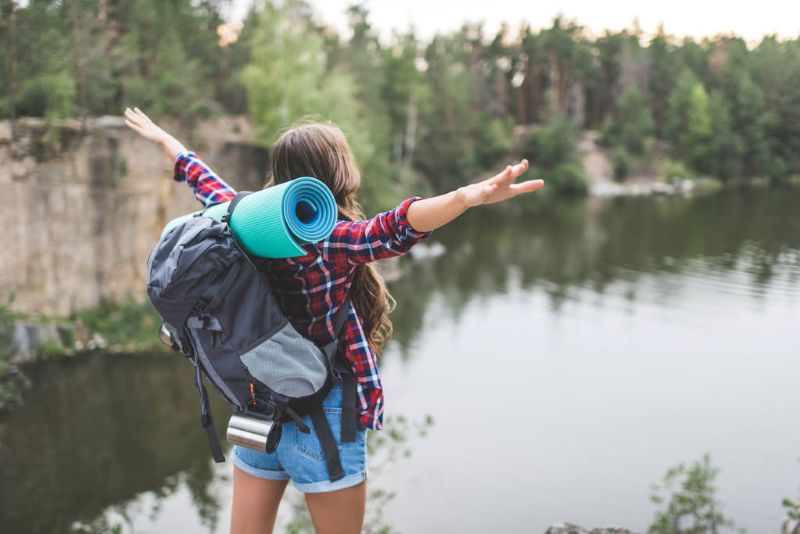
A quality pair of waterproof hiking boots provides support, traction, and protection on uneven trails.
Once you’re back at camp, lightweight sandals or comfortable camp shoes allow your feet to breathe after a long day of hiking.
Extra Socks
Dry socks may be the most underrated item on any camping checklist.
Wet feet can quickly lead to blisters and discomfort.
Pack at least one clean pair for each day of your trip, plus an extra emergency pair.
Hat and Sunglasses
Protect yourself from harmful UV rays with:
- Wide-brimmed hat or baseball cap
- Polarized sunglasses with UV protection
These simple items help reduce fatigue during long days outdoors.
Lighting and Power: Stay Safe After Dark
Once the sun goes down, proper lighting becomes essential for safety and convenience.
Whether you’re cooking dinner, finding the washroom, or reading inside your tent, dependable lighting makes every task easier.
21. Headlamp or Flashlight
Every camper should have their own light source.
Headlamps are particularly useful because they keep both hands free while:
- Setting up camp
- Cooking
- Walking trails
- Reading maps
- Performing repairs
Choose LED models with multiple brightness settings to conserve battery life.
22. Camping Lantern
A rechargeable or battery-powered lantern provides excellent ambient lighting for your campsite.
Place one on the picnic table during meals or hang it inside your tent for soft evening light.
LED lanterns are energy-efficient and much safer than fuel-burning lanterns inside enclosed spaces.
23. Extra Batteries
Always carry spare batteries, even if your devices are rechargeable.
Cold temperatures can reduce battery performance, making backups especially important during spring and fall camping trips.
Store batteries in a waterproof container to keep them dry.
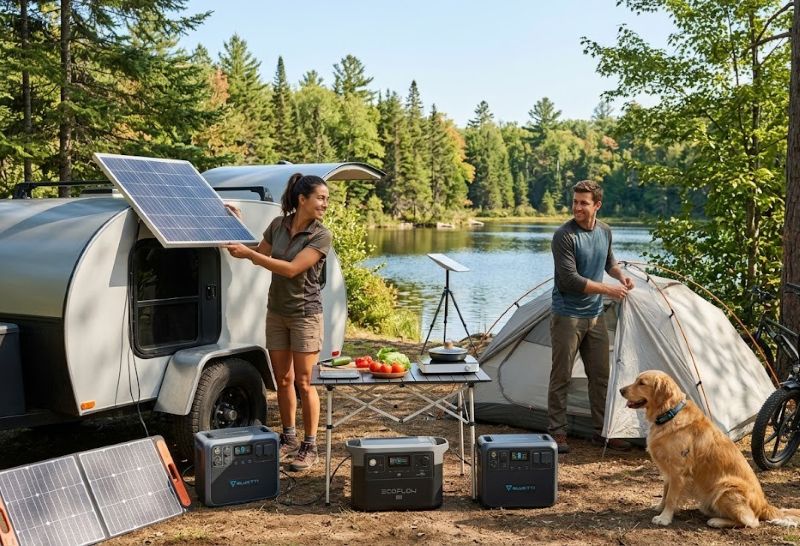
24. Portable Power Bank or Power Station
Modern campers often rely on smartphones for navigation, emergency communication, campground reservations, and weather updates.
A portable power bank keeps essential devices charged throughout your trip.
For family or car camping, a larger portable power station can also power:
- Small fans
- Lights
- Cameras
- Laptops
- CPAP machines (check battery capacity before use)
Safety Tip: Never rely solely on electronic devices for navigation. Carry a paper map and compass in case batteries fail or cellular service isn’t available.
Packing Tip
Pack your camping gear in clear, labeled storage bins by category—such as kitchen supplies, sleeping gear, clothing, and safety equipment. Organized packing saves time when setting up camp and makes it much easier to find what you need without unpacking everything.
Camping Safety Essentials: Be Prepared for the Unexpected
No matter where you’re camping, safety should always come first. A little preparation can prevent small problems from becoming major emergencies. Before leaving home, check the local weather forecast, review campground regulations, and let someone know your travel plans and expected return date.
If you’re camping in Canada, be aware of seasonal fire bans, wildlife advisories, and changing weather conditions. Even summer temperatures can drop significantly overnight, especially in northern regions or higher elevations.
25. First Aid Kit
A well-stocked camping first aid kit is one of the most important items you can pack.
Your kit should include:
- Adhesive bandages
- Sterile gauze pads
- Medical tape
- Antiseptic wipes
- Antibiotic ointment
- Tweezers
- Small scissors
- Elastic bandage
- Pain relievers
- Antihistamines
- Blister treatment
- Personal medications
Review expiration dates before every camping trip and replace any used or expired items.
26. Multi-Tool
A quality multi-tool can handle dozens of campsite tasks, including:
- Cutting rope
- Tightening loose screws
- Opening food packages
- Food preparation
- Minor gear repairs
Choose one with locking blades and keep it safely stored when not in use.
27. Flashlight Backup and Emergency Whistle
Even if everyone has a headlamp, pack an additional flashlight as a backup.
An emergency whistle is lightweight but incredibly valuable. Three short blasts is the internationally recognized distress signal if you need assistance.
28. Waterproof Matches or Fire Starter
A campfire provides warmth, light, and a way to cook meals.
Carry at least two methods of starting a fire, such as:
- Waterproof matches
- Windproof lighter
- Fire starter cubes
- Ferrocerium rod
Store them in waterproof containers to keep them dry.
Always follow campground fire regulations and never leave a campfire unattended.
29. Paper Map and Compass
GPS apps are convenient, but batteries fail and cell service disappears quickly in remote areas.
Carry a paper map of the area along with a compass, and know how to use them before heading into unfamiliar terrain.
30. Emergency Blanket
Emergency blankets (also called Mylar blankets) are compact, lightweight, and designed to reflect body heat.
They’re useful if someone becomes unexpectedly cold or injured and can also provide temporary shelter from wind and rain.
Weather and Wildlife Safety
Weather can change rapidly, especially near lakes, mountains, and forests.
Before heading out:
- Check the latest weather forecast.
- Watch for severe thunderstorm warnings.
- Delay hikes during lightning.
- Pack extra warm clothing.
- Bring rain gear even if the forecast looks clear.
If camping in areas where bears or other large wildlife are present:
- Store food properly.
- Never feed wildlife.
- Keep a clean campsite.
- Make noise while hiking to avoid surprising animals.
- Carry bear spray where recommended and know how to use it.
Water Safety
Never assume natural water sources are safe to drink.
Water from lakes, rivers, or streams may contain harmful bacteria or parasites.
Bring:
- Water purification tablets
- Portable water filter
- UV water purifier
Clean drinking water is one of the most overlooked camping essentials.
Leave No Trace Principles
Help protect natural spaces by following the seven Leave No Trace principles:
- Plan ahead and prepare.
- Travel and camp on durable surfaces.
- Dispose of waste properly.
- Leave what you find.
- Minimize campfire impacts.
- Respect wildlife.
- Be considerate of other visitors.
Following these simple guidelines helps preserve campgrounds for future generations.
Personal Hygiene Essentials
Staying clean while camping isn’t just about comfort—it also helps prevent illness and keeps your campsite sanitary.
31. Toiletries
Pack a small toiletry bag containing:
- Toothbrush
- Toothpaste
- Dental floss
- Hairbrush or comb
- Deodorant
- Razor (if needed)
Travel-sized containers save valuable space.
32. Hand Sanitizer and Biodegradable Soap
Wash your hands before eating and after using the restroom.
When running water isn’t available, hand sanitizer is essential.
Biodegradable soap should only be used at least 60 metres (200 feet) away from lakes, rivers, and streams to help protect aquatic ecosystems.
33. Quick-Dry Towel and Wet Wipes
Microfiber towels dry quickly, pack small, and absorb plenty of water.
Wet wipes are handy for:
- Cleaning hands
- Freshening up
- Wiping down equipment
- Cleaning picnic tables
Dispose of wipes properly—never leave them behind.
34. Sunscreen and Lip Balm
Even cloudy days can expose you to harmful UV rays.
Use:
- Broad-spectrum SPF 30 or higher sunscreen
- SPF lip balm
- Reapply every two hours, especially after swimming or sweating
Sunburn can quickly turn a fun camping trip into an uncomfortable experience.
Bug Protection
Mosquitoes, black flies, ticks, and biting insects are part of camping, but the right gear can greatly reduce their impact.
35. Insect Protection Kit
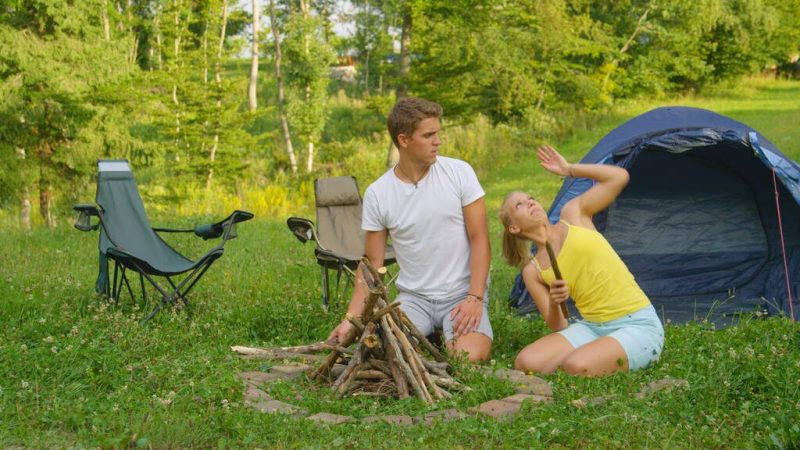
Your bug protection kit should include:
- Insect repellent containing DEET or picaridin
- Mosquito head net (for heavily wooded areas)
- Anti-itch cream
- Tick removal tool
- After-bite treatment
After hiking, always perform a full-body tick check, especially around ankles, behind the knees, waistline, neck, and scalp.
If you’re camping during mosquito season, wear light-coloured clothing and long sleeves during dawn and dusk when mosquitoes are most active.
Related Reading: If mosquitoes are a concern, check out our guide comparing bug zappers with other mosquito control methods to determine which solutions actually work around your campsite.
Comfort Camping Essentials That Make Camping Even Better
While these items aren’t essential for survival, they can make your outdoor adventure much more enjoyable.
Consider packing:
- Comfortable camping chairs
- Folding camp table
- Hammock
- Outdoor rug or mat
- Reusable clothesline
- Playing cards or board games
- Books or e-reader
- Binoculars
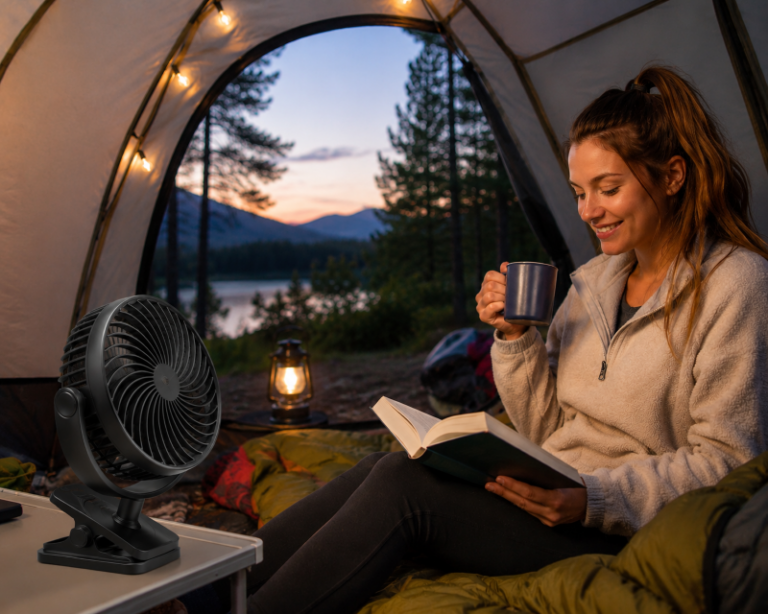
- Portable fan for hot weather
- Bluetooth speaker (where permitted and used respectfully)
A few thoughtful comfort items can make rainy afternoons, relaxing evenings, and early mornings much more enjoyable without adding much extra weight for car camping.
Smart Packing Tips
- Pack heavier gear near the bottom of storage bins or backpacks to improve balance.
- Use clear containers or labelled stuff sacks to organize equipment by category.
- Prepare meals at home whenever possible by chopping vegetables, marinating meat, and measuring dry ingredients before leaving.
- Freeze drinking water bottles to help keep your cooler cold longer.
Finally, test all camping equipment, including lanterns, stoves, air mattresses, and power banks a few days before departure to avoid unpleasant surprises at the campsite.
Camping with Kids: Making Family Adventures Easier
Camping with children can be one of the most rewarding outdoor experiences. It encourages curiosity, independence, and a deeper connection with nature. However, a little extra preparation goes a long way in keeping the trip smooth and enjoyable for everyone.
Kid-Friendly Camping Essentials
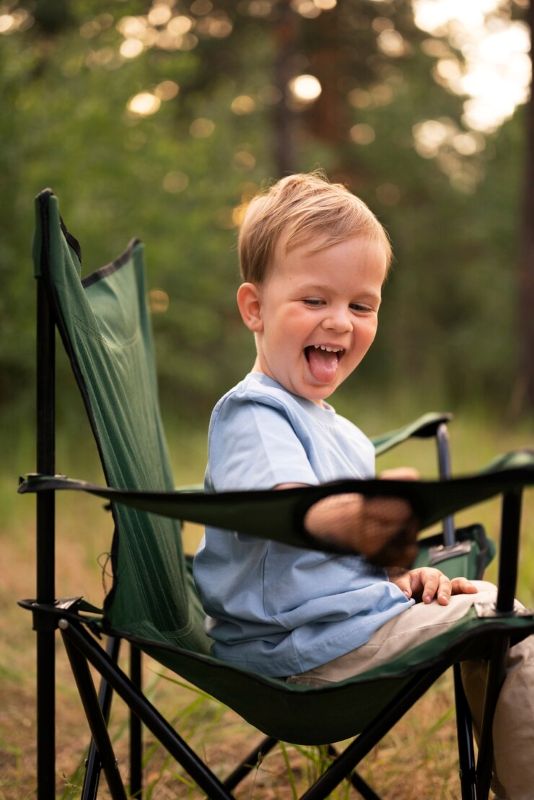
In addition to standard camping gear, pack items that help keep children comfortable and entertained:
- Favorite snacks and easy-to-eat meals
- Extra changes of clothing (more than you think you’ll need)
- Lightweight rain gear
- Small flashlight or headlamp for each child
- Comfort item (stuffed toy or blanket)
- Simple outdoor games (frisbee, ball, scavenger hunt cards)
- Coloring books or travel-friendly activities
- Kid-sized backpack for small hikes
Family Tip: Involve kids in setting up camp and make sure they have comfortable seating. See our kids’ camping chair buying guide for the best options.
Camping with Dogs: Four-Legged Adventure Partners
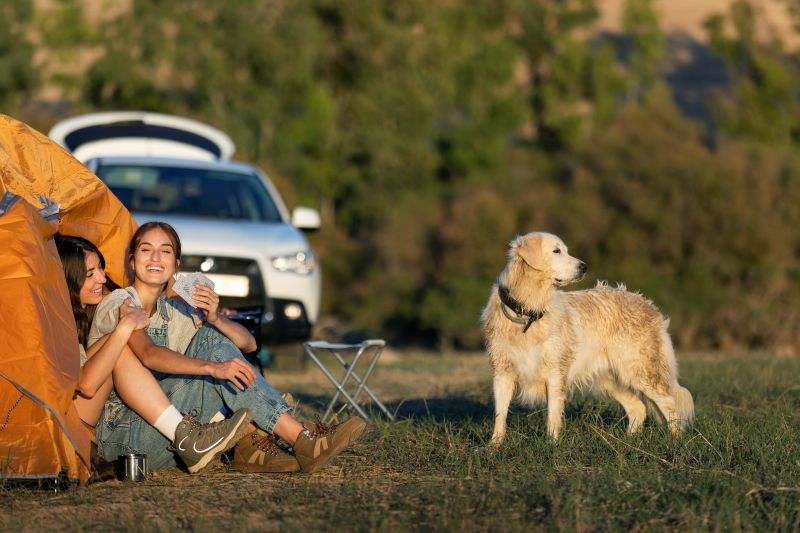
Bringing your dog camping adds fun and companionship, but it also requires planning to keep them safe and respectful of wildlife and other campers.
Dog Camping Essentials
- Sturdy leash and backup leash
- Collapsible water bowl
- Extra drinking water
- Dog food (plus a little extra)
- Treats for training and rewards
- Dog bed or blanket
- Waste bags
- Tick and flea prevention
- Towels for muddy paws
Safety Tip: Keep dogs leashed unless you’re in a designated off-leash area. Wildlife encounters can be unpredictable, and not all campgrounds allow free roaming pets.
Smart Camping Packing Strategy
Efficient packing helps reduce stress and ensures nothing important gets left behind.
- Pack gear by category (sleeping, cooking, clothing, safety)
- Use clear storage bins or labelled dry bags
- Keep frequently used items (headlamp, snacks, rain jacket) easily accessible
- Store heavy items low and centered for balance
- Pre-pack a “grab-and-go” emergency kit
Printable Camping Essentials Checklist
Tip: Use your browser’s print function to save or print this checklist before your trip.
Shelter & Sleep
- Tent
- Ground tarp / footprint
- Sleeping bag
- Sleeping pad
- Camping pillow
- Extra blanket
Camp Kitchen
- Portable stove
- Fuel
- Cookware set
- Plates, bowls, utensils
- Cooler & ice packs
- Water bottles / jug
- Coffee or kettle
Clothing
- Moisture-wicking layers
- Rain jacket
- Warm fleece or jacket
- Hiking boots
- Camp shoes
- Extra socks
- Hat & sunglasses
Safety & Navigation
- First aid kit
- Multi-tool
- Flashlight or headlamp
- Lantern
- Extra batteries
- Fire starter / matches
- Map & compass
- Emergency blanket
- Whistle
- Power bank
Hygiene & Protection
- Toilet paper
- Hand sanitizer
- Biodegradable soap
- Toothbrush & toothpaste
- Towel & wet wipes
- Sunscreen
- Lip balm SPF
- Insect repellent
Comfort & Extras
- Camping chairs
- Hammock
- Folding table
- Books or cards
- Portable speaker (where allowed)
Frequently Asked Questions (FAQ)
What are the most important camping essentials?
The most important camping essentials include shelter (tent and tarp), sleeping gear (bag and pad), safety items (first aid kit and flashlight), and food preparation tools. These form the core of any safe camping trip.
What should first-time campers pack?
First-time campers should focus on simplicity: a basic tent, sleeping bag, sleeping pad, warm clothing, easy meals, a stove, a headlamp, and a first aid kit.
What should you never forget when camping?
Never forget lighting (headlamp), a way to start a fire, water, toilet paper, and a multi-tool. These small items can make a big difference in emergencies.
How do I pack efficiently for camping?
Pack by category, use labeled bins or dry bags, and keep frequently used items easily accessible. Always test gear before leaving.
What camping gear is worth buying first?
Start with a quality tent, sleeping system (bag + pad), and weather-appropriate clothing. These have the biggest impact on comfort and safety.
Conclusion: Pack Smarter, Camp Better
A successful camping trip is not about packing everything; it’s about packing the right camping essentials. With a clear checklist and proper preparation, you can reduce stress, stay safe, and fully enjoy your time outdoors.
Whether you’re planning a family camping trip, a solo adventure, or a weekend getaway, this guide gives you everything you need to feel confident and prepared.
Before your next trip, bookmark this page or print your checklist so you never forget the essentials again. The better you prepare, the more you can enjoy the outdoors.
Happy camping!