Bottled Water in a Hot Car: Heatwave Risks
7 min read
1368 words
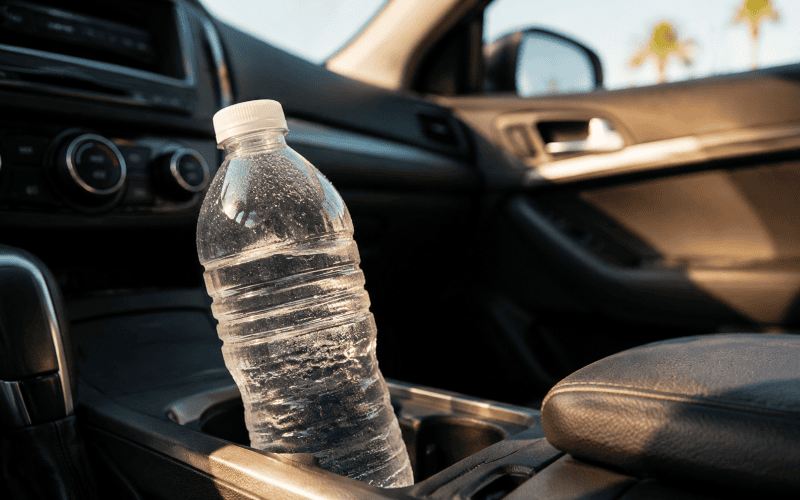
It’s a scene familiar to almost every driver: a half-empty bottle of bottled water in a hot car rolling around in the car door pocket, wedged between receipts, sunglasses, and last week’s errands. Whether you’re commuting to work, heading out on a road trip, running daily errands, or setting off on a long-awaited summer vacation, keeping bottled water in your vehicle often feels like a simple and practical way to stay hydrated on the go.
In many ways, it makes perfect sense. Life gets busy, temperatures rise, and having quick access to water can feel essential, especially during the warmer months when heat and dehydration become real concerns. For families with kids in sports, travelers covering long distances, or anyone spending extended time in traffic, that bottle in the car can seem like a small but important safeguard.
But as summer heatwaves become more intense and more frequent, that convenience starts to raise an important question that many drivers overlook. When bottled water sits inside a parked car for hours under extreme heat, is it still safe to drink, or are there hidden risks that come with it?
That is exactly what this article explores, from how hot your car can actually get, to what happens to plastic bottles in high temperatures, and what you can do to stay safely hydrated wherever the road takes you.
Why This Matters During Summer
Summer activities often mean spending more time on the road, making bottled water in a hot car a common sight. Whether you’re commuting to work, heading out on a family road trip, driving to children’s sports practices, or attending outdoor festivals and community events, it’s easy to leave a bottle of water behind in your vehicle. Many people also keep bottled water in their cars as part of an emergency preparedness kit so they have drinking water if they become stranded or face an unexpected delay.
During a heatwave, however, the inside of a parked vehicle can reach extreme temperatures in a surprisingly short amount of time. Even a quick stop at the grocery store or an afternoon spent watching a soccer tournament can leave bottled water sitting in intense heat for hours. Understanding how these conditions affect bottled water can help you make safer choices for everyday commuting, summer travel, and emergency preparedness.
By taking a few simple precautions such as carrying an insulated reusable bottle, storing water out of direct sunlight, and replacing emergency water supplies regularly, you can stay hydrated while reducing the potential risks associated with drinking bottled water that has been left in a hot car.
The next time you’re preparing for a summer road trip, running errands, or packing your emergency vehicle kit, take a few extra seconds to check your drinking water. Fresh water stored properly is one of the easiest ways to stay healthy during extreme heat. A simple habit today can help prevent unnecessary risks tomorrow.
Why Cars Get So Hot During a Heatwave
Before discussing the water itself, it is important to understand the environment it is exposed to. The interior of a car is designed in a way that traps heat very efficiently.
Rapid temperature rise occurs quickly after a vehicle is parked. On a hot summer day, the temperature inside a car can increase dramatically within minutes. Surfaces such as dashboards and seats absorb sunlight and radiate heat, making the interior even hotter than the surrounding air.
This creates a greenhouse effect. Sunlight enters through the windows, but the heat becomes trapped inside with little ventilation. As a result, anything left inside the car, including a plastic water bottle, is exposed to sustained high temperatures for extended periods.
Can Heat Affect Bottled Water?
The main concern with bottled water in a hot car is the interaction between heat and the plastic container.
Most bottled water is packaged in polyethylene terephthalate, commonly known as PET plastic. This material is generally considered safe for single use under normal conditions. However, when exposed to prolonged high temperatures, the structure of the plastic can begin to break down more quickly.
Some studies have shown that heat can increase the rate at which certain compounds may migrate from plastic into water. This includes substances used during manufacturing and trace compounds that can affect taste and odor. While levels are typically low and regulated within safety limits, the presence of chemical migration is scientifically recognized.
The key takeaway is that bottled water is designed for short term storage and controlled conditions, not prolonged exposure inside a hot vehicle.
Does Bottled Water Become Unsafe to Drink?
For most healthy individuals, drinking water that has been briefly exposed to heat is unlikely to cause immediate harm. However, repeated or prolonged exposure to high temperatures is not recommended.
You may notice changes in taste or smell, often described as slightly plastic like or stale. This is often the first indication that the water has been affected by heat exposure.
It is best to discard bottled water if:
- The bottle is swollen, cracked, or leaking
- The water has an unusual taste or odor
- The bottle has been exposed to extreme heat for an extended period
- The bottle is damaged or deformed
The Hidden Risks Beyond the Water
The concerns with bottled water left in a hot car go beyond chemical changes.
Bacterial growth can become an issue if a bottle is opened and resealed, especially in warm environments. Heat encourages faster microbial growth inside the bottle neck and cap area.
Sunlight exposure also contributes to the breakdown of plastic over time, especially when bottles are repeatedly left on dashboards or near windows.
There is also a lesser known fire risk. Clear plastic bottles filled with water can focus sunlight like a magnifying glass under specific conditions. While rare, this can create localized heat spots on flammable surfaces.
How to Store Drinking Water Safely in Your Car
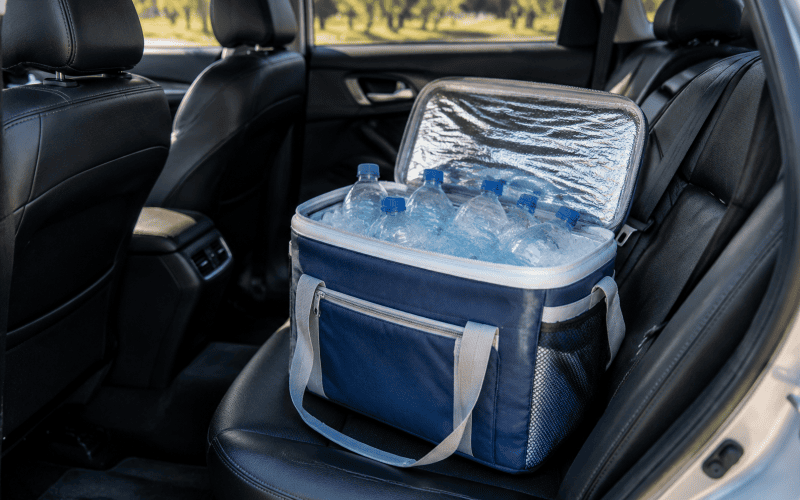
You do not need to avoid keeping water in your vehicle entirely. You just need to store it properly.
- Keep bottles out of direct sunlight by placing them on the floor or in shaded compartments
- Use insulated containers or cooler bags to reduce heat exposure
- Rotate stored water regularly, especially during summer months
- Consider stainless steel insulated bottles for better temperature control
- Avoid long term storage of disposable plastic bottles in hot environments
Better Alternatives During a Heatwave
During extreme heat, better hydration options include insulated reusable bottles that maintain temperature for hours, even inside a hot vehicle. These are ideal for commuting, travel, and outdoor activities.
For longer trips, a cooler with ice packs is the safest option for keeping water cold and stable.
Planning ahead before leaving the house also helps reduce reliance on water stored in the car. Filling a fresh bottle before heading out ensures better quality and taste.
Frequently Asked Questions
Is it safe to drink bottled water left in a hot car for one day?
Occasional exposure is unlikely to cause harm, but the taste and quality may be affected. It is safer to replace it when possible.
How hot can a car get in summer?
On hot days, car interiors can exceed 130°F to 150°F or more depending on conditions.
Can heat cause chemicals to leak into bottled water?
Yes, higher temperatures can increase the rate of chemical migration from plastic into water, although levels are generally regulated.
Should unopened bottled water be thrown away after heat exposure?
If the bottle is intact and only briefly exposed, risk is low. However, prolonged heat exposure increases uncertainty.
What is the safest way to store water in a car?
Use insulated stainless steel bottles and keep them out of direct sunlight whenever possible.
Conclusion
While bottled water in a hot car may seem harmless, prolonged exposure to extreme heat can affect both the quality and safety of the water. From plastic breakdown to bacterial growth risks, the environment inside a parked vehicle during a heatwave is not ideal for storing drinking water.
The good news is that simple habits can make a big difference. Using insulated bottles, avoiding direct sunlight, and refreshing stored water regularly ensures that every sip you take is safe, clean, and refreshing, even on the hottest summer days.