Garden Pest Identification: What’s Damaging Your Garden?
6 min read
1130 words
Discovering your garden isn’t looking as vibrant as you hoped can be disheartening. But before you reach for a chemical spray, take a breath. Most garden problems are solvable with a bit of knowledge and observation. This guide is designed to help you become a confident garden detective, moving from worry to action. Instead of guessing what’s wrong, you’ll learn garden pest identification. By the end of this article, you’ll be able to walk through your garden and quickly recognize whether you’re dealing with a pest problem, a plant stress issue, or a healthy ecosystem doing its job.
1. The “Damage First” Approach: Start With the Symptoms
You don’t need to memorize hundreds of insects to understand what’s happening in your garden. The smartest approach is to start with the damage itself, then work backward to identify the likely cause.
Look closely at your plants and ask: what has changed?
Common plant symptoms and what they mean:
-
Holes or Chewed Edges on Leaves
Irregular holes or ragged edges usually point to chewing insects. Common culprits include slugs, caterpillars, and beetles. If the holes are large and uneven, slugs are often responsible. If they look cleaner or more patterned, beetles or caterpillars may be feeding.
-
Sticky Residue or Black Sooty Mold
If leaves feel sticky or appear covered in a dark film, this is often “honeydew,” a sugary substance produced by sap-sucking insects like aphids, whiteflies, or scale insects. The black mold itself grows on this residue, not the plant directly.
-
Curling, Twisted, or Distorted New Growth
When new leaves emerge curled or stunted, sap-sucking pests are often feeding on tender growth before it fully develops. Aphids and thrips are the most common causes.
-
Yellowing or Wilting Plants
Yellowing leaves can have many causes, but when paired with visible insects or leaf damage, sap-suckers are often responsible. Sudden wilting despite moist soil may indicate root damage or soil-dwelling pests.
Once you identify the symptom, you can narrow down the possible pests instead of searching blindly.
2. Good Bugs vs Bad Bugs: Not All Insects Are a Problem
One of the biggest mistakes new gardeners make is assuming all insects are harmful. In reality, many bugs are essential for a healthy garden ecosystem. Some even protect your plants by eating pests.
Learning the difference between helpful and harmful insects is key to long-term success.
Beneficial Insects (Your Garden Allies)
-
Ladybugs
Ladybugs are among the most effective natural pest controllers. Both adults and larvae feed on aphids, mites, and other soft-bodied insects. A single ladybug larva can eat hundreds of aphids during its development.
-
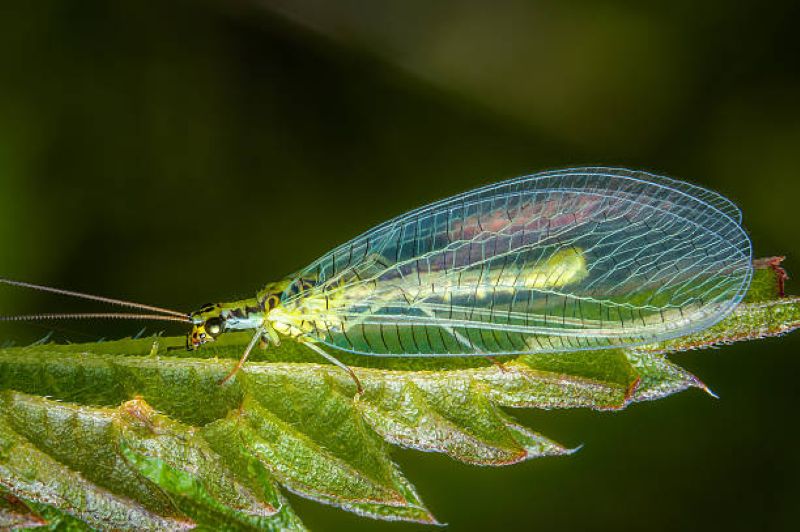
Lacewings
Adult lacewings are delicate and harmless, but their larvae—often called “aphid lions”—are aggressive predators. They feed on aphids, thrips, and insect eggs.
-
Hoverflies
Hoverflies resemble small bees but are harmless pollinators. Their larvae, however, feed heavily on aphids, making them valuable allies in vegetable and flower gardens.
Encouraging these insects through diverse planting and avoiding harsh pesticides helps maintain natural balance.
Common Garden Pests
-
Aphids
Small, soft-bodied insects that cluster on new growth. They feed on plant sap, causing distortion and weakening growth.
-
Slugs and Snails
These pests thrive in damp environments and feed at night. They leave irregular holes in leaves and a visible slime trail.
-
Caterpillars
The larvae of moths and butterflies. While adults may be pollinators, caterpillars can quickly defoliate plants if left unchecked.
A healthy garden isn’t pest-free; it’s balanced. The goal is control, not elimination.
3. Seasonal Pest Breakdown: What to Watch and When
Pest activity changes throughout the year. Understanding seasonal patterns helps you prevent infestations before they become serious.
Spring: New Growth Attracts Pests
Spring is when many pests become active again after winter dormancy.
-
Aphids
They reproduce rapidly on fresh shoots, especially on roses, herbs, and vegetable seedlings.
-
Cutworms
These soil-dwelling caterpillars feed at night and can cut young seedlings at the base, causing sudden plant collapse.
Summer: Peak Pest Activity
Warm weather accelerates pest reproduction and plant stress.
-
Beetles (Japanese, cucumber, flea beetles)
These chew leaves, flowers, and fruits, often leaving visible damage quickly.
-
Spider Mites
Tiny pests that thrive in hot, dry conditions. Look for fine webbing and speckled or bronzed leaves.
Fall: Feeding and Preparation for Winter
As temperatures drop, pests prepare for survival.
-
Slugs
Still active in cool, damp weather, continuing to feed on late-season crops.
-
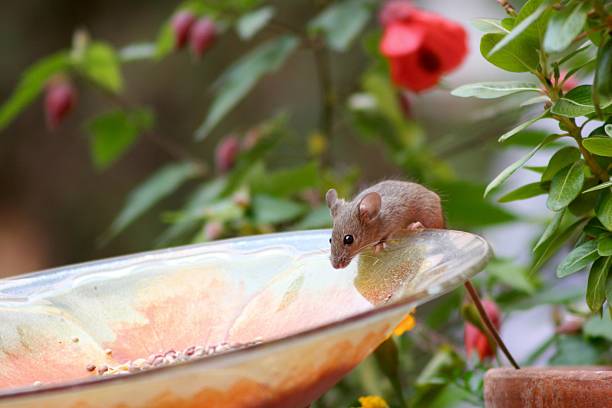
Rodents
Mice, voles, and squirrels may dig up bulbs, roots, and stored garden produce.
4. Plant-Specific Pest Guide
Different plants attract different pests. Knowing what to expect helps you inspect more effectively.
Tomato Plants
Common pests include hornworms, aphids, and fruitworms. Hornworms are large green caterpillars that can strip leaves quickly. Aphids tend to cluster on stems and new growth.
Roses
Aphids are the most common issue, often found on buds and tender shoots. Japanese beetles can skeletonize leaves, while spider mites may cause fine stippling.
Vegetable Gardens
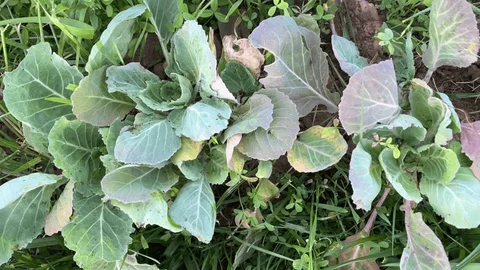
A wide variety of pests may appear depending on what you grow:
- Cabbage worms on leafy greens
- Squash vine borers in cucurbits
- Flea beetles on seedlings
- Colorado potato beetles on potatoes and eggplants
Indoor Plants Moving Outside
When houseplants are placed outdoors, they can attract spider mites, mealybugs, and fungus gnats, which may spread into the garden if not managed early.
Quick Identification Guide: “If You See This…”
Sometimes you need fast answers. Use this quick reference while inspecting your garden:
- If leaves are covered in tiny green, black, or red insects clustered on new growth → Aphids
- If leaves have irregular holes and a slime trail → Slugs or Snails
- If leaves look yellow, speckled, and have fine webbing → Spider Mites
- If large green caterpillars with a horn are present → Tomato Hornworms
- If leaves are skeletonized with only veins remaining → Japanese Beetles
This method helps you make quick, informed decisions without guesswork.
6. Download Your Free Garden Pest Identification Chart
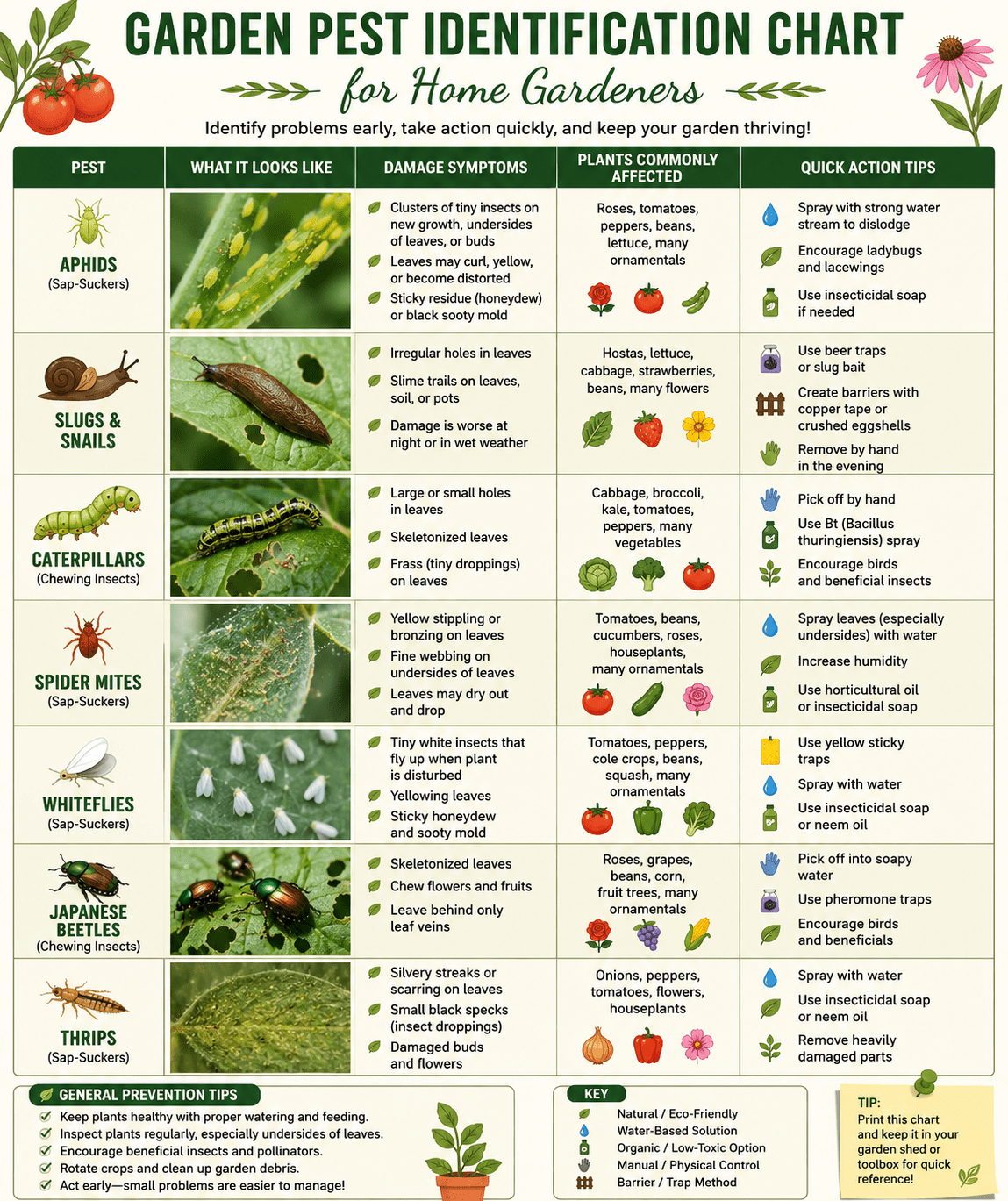
To make identification even easier, you can download our printable Garden Pest Identification Chart here for Home Gardeners. Keep it with your gardening tools or in your shed for quick reference while you work.
This chart includes:
Common garden pests
Damage symptoms
Visual identification cues
Quick action tips
Having it on hand helps you respond early before small issues become larger infestations.
Conclusion: Become a Confident Garden Detective
By learning to read the signs your garden gives you, you can move from confusion to confidence. Instead of reacting blindly, you’ll understand what your plants are telling you and respond appropriately.
Not every insect is a threat, and not every damaged leaf means disaster. With observation, patience, and a little practice, you’ll develop a deeper understanding of your garden’s ecosystem.
Healthy gardens aren’t perfect, They’re balanced, active, and full of life. And now, you know how to keep yours that way.
Happy gardening.