What Upsizers Need to Know Before Building a Larger Home
4 min read
776 words
Upsizers are often making one of the biggest decisions in their home journey when they choose to build a larger home. You may need more bedrooms, better storage, flexible living areas or a layout that works for children at different stages. Before you commit to a design, block or builder, it is worth thinking beyond extra square metres and focusing on how the home will function every day.
Choosing A Layout That Fits The Family
Your first decision is not simply whether to build a single-storey, double-storey, or acreage home. It is how the layout will support your routines now and in the years ahead. If you have young children, you may want bedrooms close together. If you have teenagers, you may prefer separate zones, extra bathrooms and quieter study spaces.
Customization becomes important when a standard floor-plan does not fully match your household. You may be comparing fixed designs with more tailored options, especially if you need space for guests, grandparents, a home office or larger shared living areas. Working with a custom home building provider such as Neptune Homes custom home building experts can be relevant when you want a design process that considers block size, lifestyle priorities and future household changes together, rather than treating the floor-plan as a fixed template.
Thinking About How Rooms Will Be Used
A bigger home only works well if each room has a clear purpose. Formal spaces may look appealing on paper, but they can become underused if they do not match your lifestyle. Before building, consider how often you entertain, whether your children need play or study zones, and whether you need a quiet retreat away from the main living area.
Flexible spaces are often more valuable than highly specific rooms. A media room might later become a teen lounge. A guest bedroom may need to double as a home office. A ground-floor bedroom can also support visiting relatives or future multi-generational living. Thinking this through early can help you avoid expensive changes after the home is built.
Planning Storage Before It Becomes A Problem
Many families up-size because they feel cramped, but extra floor area does not automatically solve storage issues. Storage needs to be planned into the design from the beginning. You should consider kitchen storage, linen cupboards, wardrobe space, garage storage and room for sports gear, prams, school bags and seasonal items.
Useful storage also needs to be placed where it will make daily life easier. A large cupboard far from the entry may not help with everyday clutter. A well-designed mudroom, walk-in pantry or garage access zone can make daily routines smoother. For busy families, practical storage is often one of the biggest differences between a larger house and a more livable home.
Considering Privacy And Shared Spaces
When you up-size, you need to balance togetherness with privacy. Open-plan living can make a home feel spacious and connected, but your family may also need quieter areas, especially as children grow older. Different members of the household may have different routines, so the layout should reduce friction rather than create it.
Good zoning and circulation can make the home easier to live in. Bedrooms can be separated from entertaining areas, children’s spaces can sit away from the main bedroom, and additional living rooms can reduce noise and conflict. In a double-storey home, upstairs and downstairs zones can support different activities at the same time. In an acreage home, there may be more opportunity to spread out, but the layout still needs to feel connected and practical.
Checking The Block, Orientation, And Access
Before choosing a design, you need to understand the block itself. The size, shape, slope, frontage and orientation can all affect what is possible. A design that suits one site may not work as well on another, particularly if the block has access constraints, easements or specific council requirements.
Orientation also affects natural light, ventilation and comfort. Positioning living areas to capture sunlight, shade and breezes can improve day-to-day comfort and may support better energy efficiency. Driveway placement, garage access and outdoor connections should also be reviewed early, especially if you have multiple cars, trailers or larger outdoor lifestyle needs.
Building A Home That Grows With You
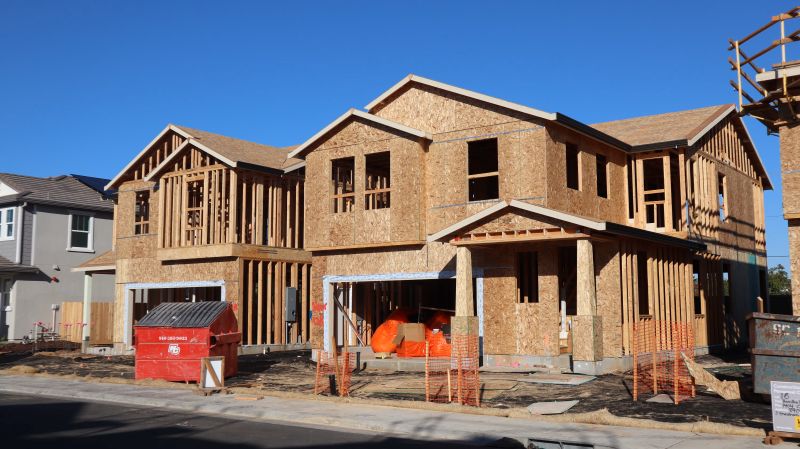
Up-sizing is not only about solving today’s space problem. It is about creating a home that can support your family through different stages of life. The best decisions usually combine comfort, flexibility, practicality and long-term value.
Before building, take time to consider how you live, how your needs may change, and which design choices will genuinely improve daily life. A well-planned larger home should feel easier to live in, not just bigger.