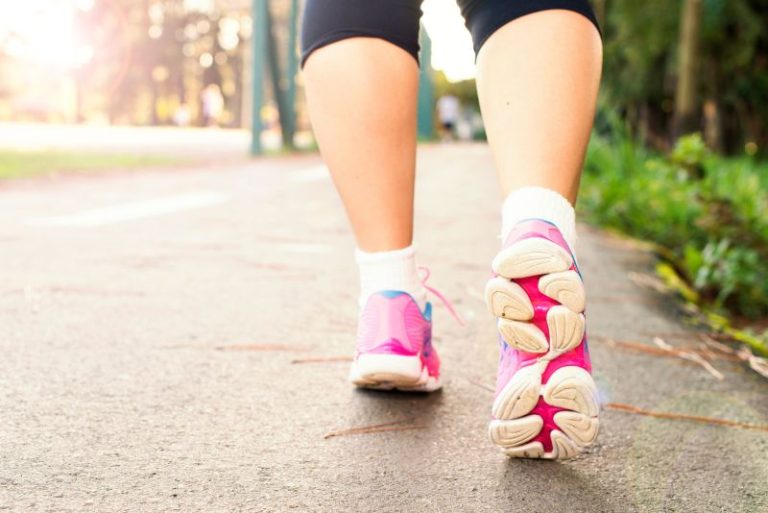
Walking for Weight Loss: What Really Happens After 30 Days
8 min read
1541 words
If you’ve ever looked at your desk, felt the stiffness from hours of sitting, and thought, “I need to make a change,” you’re not alone. For many of us, the path to better health starts not with a marathon or a complicated gym routine, but with a simple, powerful step. That’s why walking for weight loss has become one of the most effective and sustainable fitness trends.
After years of sitting at a job, I realized I needed to get into shape. My solution? I laced up my shoes and started walking. It was a revelation. Walking required no expensive equipment, no gym membership, and no special skills. It simply required a commitment to move a little more every day.
If you’ve ever wondered what happens when you start walking every day for a month, here’s what you can realistically expect from a 30-day walking challenge.
Why Walking Works for Weight Loss
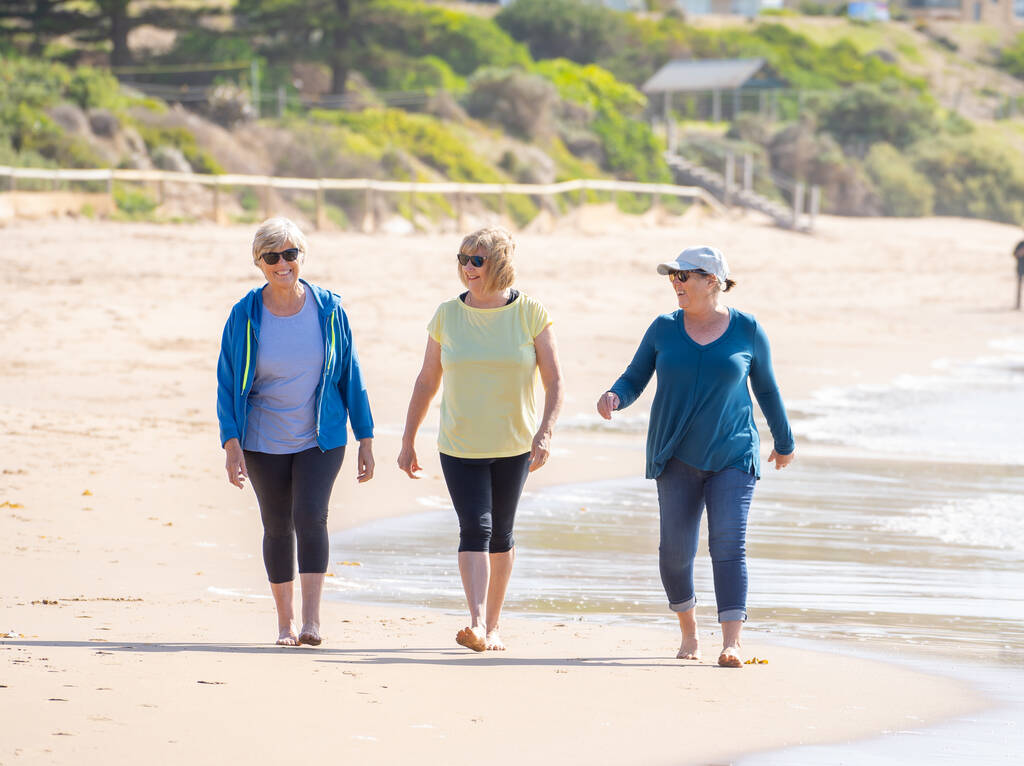
Walking isn’t just easy; it’s scientifically effective. It’s the perfect entry point into fitness, accessible to almost everyone, anywhere.
Burns Calories Without High Impact
Unlike running or high-intensity interval training, walking is gentle on your joints. It increases your daily calorie expenditure steadily. A brisk 30-minute walk can burn anywhere from 150 to 250 calories, depending on your pace and weight. This makes it an excellent tool for creating the calorie deficit needed for weight loss without the high risk of injury.
Supports Fat Loss
Weight loss fundamentally comes down to a calorie deficit—burning more calories than you consume. Walking for weight loss is ideal because it promotes consistency. For many people, maintaining a moderate activity level day after day is more achievable and sustainable than extreme, sporadic workouts. This consistency is the key to tapping into fat stores for energy.
Helps Preserve Muscle
When you lose weight through extreme dieting alone, you often lose valuable muscle mass. Walking, especially when combined with a healthy diet, helps preserve muscle. Your body uses fat for energy during this moderate activity, leaving your hard-earned muscle intact, which is crucial for maintaining a healthy metabolism.
What the Research Says About Walking
Research consistently shows that walking delivers meaningful health benefits. Studies have found that people who increase their daily walking often experience reductions in body weight, waist circumference, and body fat over time.
Regular walking has also been associated with lower risks of heart disease, type 2 diabetes, high blood pressure, and depression. The benefits of walking 30 minutes a day extend far beyond weight loss. It improves circulation, supports mental well-being, strengthens muscles and bones, and contributes to overall longevity.
Perhaps most importantly, walking is one of the few forms of exercise that many people can maintain long term. Unlike restrictive diets or intense workout plans, a daily walk can easily become part of a healthy lifestyle.
Starting a 30-Day Walking Challenge

Ready to begin? Here’s how to set yourself up for success.
How Much Should You Walk?
Beginner: Start with 15 to 20 minutes at a comfortable pace.
The Popular Goal: Work up to a consistent 30-minute walk most days of the week.
Step Count Goal: Aim for 7,000 to 10,000 steps daily. This range is linked to numerous health benefits and is a great target for active living.
What You’ll Need
- Comfortable walking shoes
- A water bottle
- Weather-appropriate clothing
- A fitness tracker or smartphone app (optional)
- A walking pad or treadmill for indoor walking (especially helpful for an under-desk setup if you work from home or in an office).
Simple 30-Day Walking Challenge
If you’re unsure how to begin, follow this beginner-friendly plan:
Week 1: Walk 15 to 20 minutes daily.
Week 2: Increase your walks to 25 to 30 minutes.
Week 3: Add a few brisk walking intervals every five minutes.
Week 4: Walk 30 to 45 minutes most days of the week.
Remember, the goal isn’t perfection. The goal is consistency.
Week 1: Building the Habit
The first seven days are about showing up. Don’t worry about speed or distance; simply focus on creating the routine.
What Happens to Your Body
Increased energy levels: Movement boosts circulation and helps your body feel more awake.
Improved mood and reduced stress: A walk outdoors can clear your mind and lower stress levels.
Possible muscle soreness: Your legs and feet may feel achy as they adapt to increased activity.
Common Challenges
Finding time can be difficult. Try walking before work, during lunch, or after dinner.
Motivation may fluctuate. Having a walking partner or tracking your progress can help.
Bad weather can also be an obstacle. Consider indoor alternatives such as a mall, community center, or treadmill.
Week 2: Early Physical Changes
By now, the habit is beginning to stick. Your body is adapting to the increased activity.
Improved Endurance
Walking starts to feel easier. You may notice that you can walk farther before feeling tired.
Better Sleep
Many people report sleeping more soundly after increasing their daily activity. Physical movement helps regulate the body’s natural sleep cycle.
Small Weight Changes
You may notice some movement on the scale. However, don’t become discouraged if results are slow. Weight loss is often gradual, and many positive changes happen inside the body before they’re visible externally.
Week 3: Noticeable Benefits
This is often when the daily walking benefits become more obvious.
Increased Stamina
Activities that once felt tiring may become easier. You might find yourself naturally choosing to walk more throughout the day.
Improved Mental Health
Walking can be incredibly beneficial for mental wellness. Many participants in a 30-day walking challenge report reduced anxiety, lower stress levels, and improved focus.
Clothing May Fit Differently
Even if dramatic weight loss hasn’t occurred, your clothes may feel looser. This can indicate reductions in body fat and improved body composition.
Week 4: What Happens After 30 Days
Congratulations—you’ve completed a month of walking.
Potential Weight Loss Results
One of the most common questions is, “How much weight can you lose walking?”
While results vary, a realistic expectation is a loss of approximately 2 to 8 pounds over 30 days when walking is paired with healthy eating habits. Some individuals may lose more, while others may see slower progress.
Improved Cardiovascular Health
Your heart benefits significantly from regular walking. You may notice a lower resting heart rate, improved endurance, and better circulation.
Stronger Daily Habits
Perhaps the biggest victory is proving to yourself that you can stay consistent. Healthy habits often build upon one another, creating positive momentum for future goals.
Beyond the Scale: Other Signs You’re Getting Healthier
Weight is only one measure of success. Walking transformation stories often highlight non-scale victories that can be equally rewarding.
After 30 days, you may notice:
- Increased daily energy
- Better mood
- Reduced stress
- Improved confidence
- Better sleep quality
- Improved digestion
- Easier stair climbing
- Increased mobility
- Reduced stiffness from sitting
- Greater overall endurance
These improvements can dramatically enhance your quality of life, even before major weight loss occurs.
Factors That Affect Your Results
Every person’s walking for weight loss results will differ.
Diet Matters
Walking helps create a calorie deficit, but nutrition remains a critical piece of the puzzle. Focus on whole foods, lean proteins, vegetables, fruits, and healthy fats.
Walking Speed
A leisurely stroll provides benefits, but brisk walking generally burns more calories and improves cardiovascular fitness more quickly.
Starting Fitness Level
Someone who is new to exercise may experience more noticeable changes during the first month than someone who already exercises regularly.
Sleep and Stress
Poor sleep and chronic stress can make weight loss more difficult by affecting hormones that regulate hunger and fat storage.
How to Maximize Weight Loss While Walking
Want to see even better results?
Add Intervals
Alternate between periods of brisk walking and a slower recovery pace. This simple strategy can increase calorie burn and improve fitness.
Walk Hills or Inclines
Adding resistance challenges your muscles and increases workout intensity.
Track Progress
Monitor your steps, distance, mood, energy levels, and fitness improvements. Non-scale victories are just as important as pounds lost.
Pair Walking with Healthy Eating
Nutritious foods provide the fuel your body needs while supporting fat loss and overall health.
Realistic Expectations: What Walking Won’t Do
It’s important to be realistic. Walking won’t create overnight transformations, and it won’t target fat loss in specific areas of the body. Spot reduction is a myth.
However, walking can create sustainable change over time. Small daily improvements often lead to significant long-term results.
The most successful people are rarely those who make dramatic changes for a few weeks. They’re the ones who consistently make healthy choices month after month and year after year.
The Bottom Line
Walking for weight loss may seem simple, but that’s exactly what makes it so powerful. After 30 days of walking every day, most people experience increased energy, improved mood, better cardiovascular fitness, stronger habits, and gradual weight loss.
The benefits of walking every day for a month extend far beyond the number on the scale. You’ll likely sleep better, move more easily, feel less stressed, and gain confidence in your ability to take control of your health.
Focus on consistency rather than perfection. Those daily walks may seem small in the moment, but over time they can transform your health, your fitness, and your outlook on life.
The first step is often the hardest, but it may also be the most important. Will you join me? Tell me about your walking journey in the comment section.