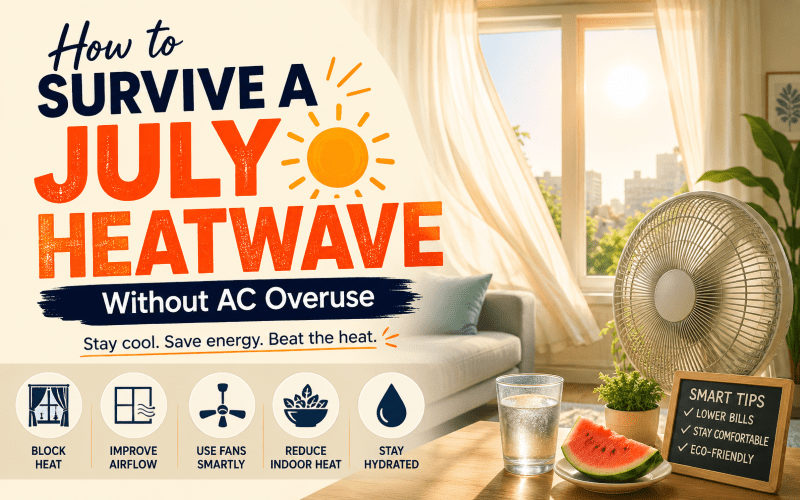
How to Survive a July Heatwave Without AC Overuse
6 min read
1102 words
July will soon be here, bringing shimmering pavement, long summer days, rising humidity, and the inevitable surge in temperatures. While summer sunshine is welcome, a sustained July heatwave can quickly turn homes into ovens and energy bills into a source of ongoing stress and frustration, especially during extended heat alerts in urban areas.
If you are looking for ways to stay cool this summer without relying on air conditioning every hour of the day, you are in the right place. This guide explores practical, eco friendly, and cost effective strategies to beat the July heatwave while keeping your home comfortable, breathable, and energy efficient during peak summer conditions.
If you want a deeper breakdown of cooling strategies, see our guide on Keep Your House Cool Without Air Conditioning.
July heatwave tips
July heatwave tips include blocking sunlight, improving airflow, and reducing indoor heat sources. Close blinds during the day, open windows at night for ventilation, use ceiling fans correctly, and limit oven use to keep your home cooler and reduce reliance on air conditioning.
Why Managing Heat Matters
Managing indoor heat is not only about comfort. Air conditioners consume large amounts of electricity, increasing monthly utility bills and placing additional strain on the power grid during peak summer demand. This can lead to higher costs and reduced energy efficiency across entire communities during extreme heat events.
By learning simple and consistent cooling strategies, you can reduce your energy use, extend the life of your cooling systems, and maintain a more stable indoor environment even during prolonged heatwaves. Small daily adjustments can make a measurable difference over time.
Master Natural Ventilation
Natural ventilation is one of the oldest and most effective methods of cooling a home without electricity. It relies on temperature differences and airflow to naturally regulate indoor conditions.
Night flushing technique
During the night, outdoor temperatures typically drop significantly. Opening windows allows this cooler air to enter and push out the warm air trapped inside your home. Cross ventilation is especially effective when windows on opposite sides of the house are opened at the same time, creating a natural airflow path that refreshes indoor air completely.
Morning shutdown
Once temperatures begin to rise in the morning, close all windows and blinds. This traps the cooler air inside and prevents hot outdoor air and direct sunlight from warming your living spaces throughout the day.
Block Heat From Entering
A significant portion of indoor heat comes from sunlight entering through windows, which creates a greenhouse effect that gradually raises indoor temperatures even before peak heat arrives.
Blackout curtains
Thermal or blackout curtains can significantly reduce heat gain by blocking direct sunlight during the hottest parts of the day, especially on south and west facing windows, which receive the strongest afternoon sun exposure.
Window film
Heat control window film helps reduce UV and infrared radiation while still allowing natural light into your home, making it a long term passive cooling solution that requires no electricity.
Use Ceiling Fans Correctly

Ceiling fans do not lower air temperature. They create a wind chill effect that makes people feel cooler by increasing evaporation from the skin.
Correct direction
In summer, ceiling fans should rotate counter clockwise to push air downward and create a steady cooling breeze throughout the room that improves comfort quickly.
Turn off when not needed
Because fans cool people rather than rooms, they should be turned off when spaces are unoccupied to conserve energy and reduce unnecessary electricity use.
Reduce Indoor Heat From Cooking
Cooking indoors during extreme heat can significantly increase indoor temperatures and humidity levels, making your home less comfortable throughout the day and night.

No cook meals
Summer is ideal for lighter meals such as salads, fresh fruit, chilled pasta, and cold dishes that do not require heat generating appliances or prolonged cooking times.
Outdoor cooking
Using an outdoor grill or cooking station helps prevent unnecessary heat buildup inside the home and keeps kitchen temperatures manageable.
Appliance timing
Running dishwashers, ovens, and dryers during cooler periods such as early morning or late evening reduces their impact on indoor temperature and overall household heat load.
Humidity Control Matters
Humidity is often just as important as temperature when it comes to comfort. High humidity reduces the body’s ability to cool itself through sweating, making warm air feel even hotter and heavier.
Dehumidifiers
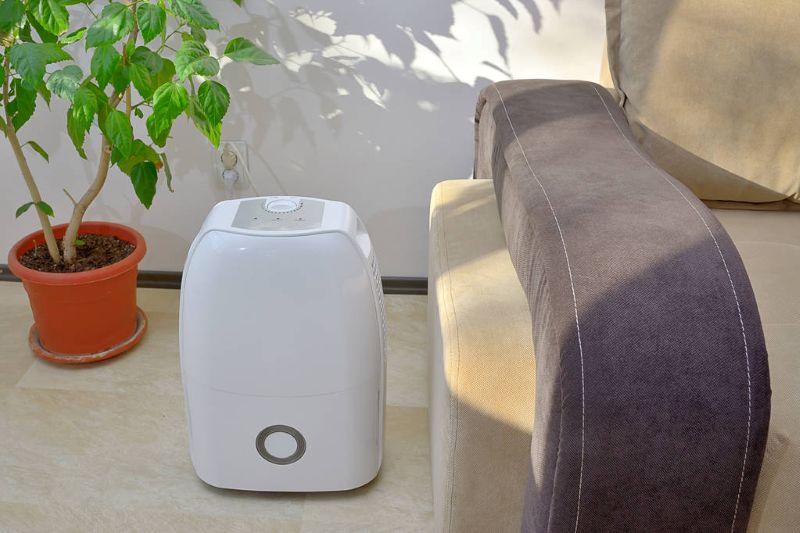
Reducing indoor moisture levels can significantly improve comfort and make the air feel cooler even without lowering the actual temperature, especially in coastal or humid regions.
Exhaust fans
Kitchen and bathroom exhaust fans should be used during cooking and showering to remove excess moisture before it spreads through the home.
Personal Cooling Methods
Sometimes the most effective way to stay cool is to focus on cooling your body rather than the entire house, particularly during peak afternoon heat.
Hydration
Consistent water intake throughout the day supports the body’s natural temperature regulation systems and helps prevent overheating or fatigue.
Cooling pulse points
Applying cold cloths to pulse points such as the wrists, neck, ankles, and behind the knees provides quick and effective relief during extreme heat conditions.
Evaporative cooling method
A lightly damp sheet or thin blanket can help cool the body during sleep through slow evaporation, which lowers perceived temperature without electricity.
Long Term Cooling Through Landscaping
Strategic landscaping is a long term investment in home comfort and energy efficiency. Planting deciduous trees on sun exposed sides of a property provides natural shade during summer months while still allowing sunlight through in winter once leaves fall.
This seasonal balance helps regulate indoor temperatures naturally and reduces overall reliance on mechanical cooling systems over time.
When to Use Air Conditioning
Air conditioning should always be available during dangerous heat conditions. The goal is not to eliminate it, but to use it efficiently and intentionally when needed most.
Thermostat settings
Setting your thermostat around 26 degrees Celsius or 78 degrees Fahrenheit provides a balance between comfort, safety, and energy efficiency during heatwaves.
Smart scheduling
Programmable thermostats help ensure cooling systems only run when needed, reducing unnecessary energy consumption during periods when no one is home.
Maintenance
Regularly cleaning or replacing air filters improves airflow, reduces strain on the system, and increases overall efficiency, especially during peak summer usage.
Final Thoughts
Surviving a July heatwave is about preparation, awareness, and consistent small habits that add up over time. By managing airflow, blocking heat sources, and focusing on personal cooling strategies, you can maintain comfort without relying entirely on air conditioning every day.
With the right approach, summer can remain enjoyable, manageable, and energy efficient, even during extended heat events and rising global temperatures.